A blood pressure problem can become an eye problem before your vision warns you. Understanding how high blood pressure can affect your eyes helps you spot danger, respond to sudden symptoms, and protect your sight before damage becomes permanent.
I treat sudden vision changes alongside very high blood pressure as urgent. Hypertension can injure the retina, choroid, optic nerve, and retinal circulation. Because high blood pressure often causes no symptoms, eye damage may progress quietly.
Why High Blood Pressure Harms Eye Blood Vessels
The retina depends on tiny vessels that deliver oxygen. Constant pressure can narrow, stiffen, twist, or weaken them. Damaged vessel walls may then leak blood or fluid into nearby tissue.
This is how high blood pressure can affect your eyes in two patterns. Chronic hypertension creates gradual changes over months or years. A sudden, severe spike can overwhelm the eye’s circulation within hours.
My “three-clock” framework makes the risk easier to judge:
- The minutes clock covers sudden changes needing emergency care.
- The months clock covers silent damage found during an eye exam.
- The years clock covers steady blood pressure control.
This framework is not a diagnostic test. It simply helps separate “act now” from “book a follow-up.”
How High Blood Pressure Can Affect Your Eyes in Five Ways
Hypertensive Retinopathy
Hypertensive retinopathy develops when elevated pressure damages retinal blood vessels. An eye doctor may see narrowed arteries, abnormal vessel crossings, retinal hemorrhages, cotton-wool spots, fatty deposits, or optic-disc swelling.
Early disease may cause no noticeable symptoms. Advanced damage can produce blurred vision, dark areas, dimness, or vision loss. Leakage near the macula may reduce the sharp central vision used for reading and recognizing faces.
Hypertensive Choroidopathy
The choroid is the blood-rich layer beneath the retina. Acute or extreme hypertension can disrupt its circulation. Fluid may collect under the retina, causing distorted vision or an exudative retinal detachment.
Possible symptoms include wavy lines, warped images, a shadow, or a sudden decline in clarity. Hypertensive choroidopathy is less common than hypertensive retinopathy. However, it may appear during a severe blood pressure emergency.
Optic Neuropathy
The optic nerve carries visual signals from the eye to the brain. Restricted blood flow can deprive it of oxygen and damage its nerve fibers.
The result may be sudden, painless vision loss or a missing area within the visual field. Severe hypertension can also cause optic-disc swelling. Because damaged optic nerve cells recover poorly, sudden changes require prompt assessment.
Retinal Vein or Artery Occlusion
Hypertension damages vessel walls and raises the risk of retinal vascular blockage. A retinal vein occlusion can cause swelling and bleeding inside the retina. A retinal artery occlusion can abruptly interrupt oxygen delivery.
People often notice sudden, painless blurring or partial vision loss in one eye. The term “eye stroke” is commonly used, particularly for retinal artery occlusion.
Sudden vision loss remains an emergency even when sight returns within a few minutes. Temporary improvement does not confirm that the danger has passed.
Glaucoma and Macular Degeneration Risk
Research has linked hypertension with increased risks of glaucoma and age-related macular degeneration. However, systemic blood pressure and intraocular pressure are different measurements. High blood pressure does not automatically mean the pressure inside your eyes is high.
The relationship involves long-term vascular stress and altered circulation around the retina and optic nerve. Hypertension can also increase the risk and severity of diabetic retinopathy when diabetes is present.
Warning Signs That Need Fast Action
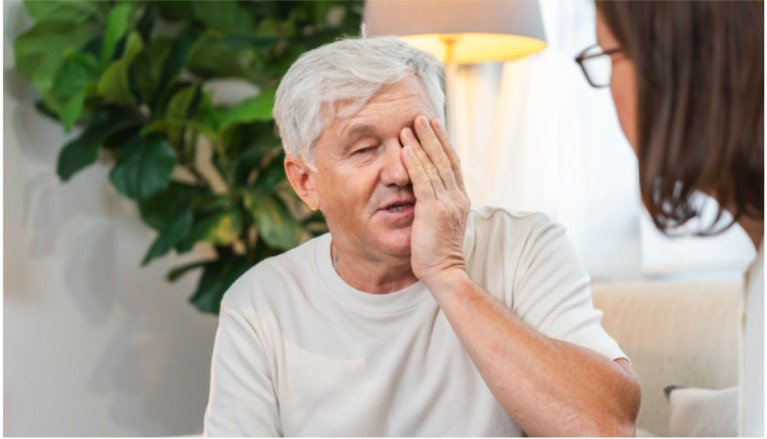
The emergency side of how high blood pressure can affect your eyes is easy to underestimate. Seek urgent medical care for:
- Sudden vision loss or severe blurring
- New double vision
- A dark curtain or shadow
- Wavy or severely distorted vision
- A rapid increase in flashes or floaters
- Vision changes accompanied by weakness or speech problems
Sudden flashes, numerous new floaters, or a curtain-like shadow can indicate a retinal tear or detachment. These symptoms require immediate eye care, regardless of your blood pressure reading.
Call 911 when your blood pressure is above 180/120 mm Hg and you also have a vision change, chest pain, breathing difficulty, numbness, weakness, or trouble speaking. Do not drive yourself.
Consider a worked example. A reading of 186/122 without symptoms still requires prompt professional advice. The same reading with sudden blurred vision may indicate a hypertensive emergency and requires 911 care.
How Eye Doctors Detect Hypertensive Damage
To assess how high blood pressure can affect your eyes, an eye doctor looks beyond the standard vision chart.
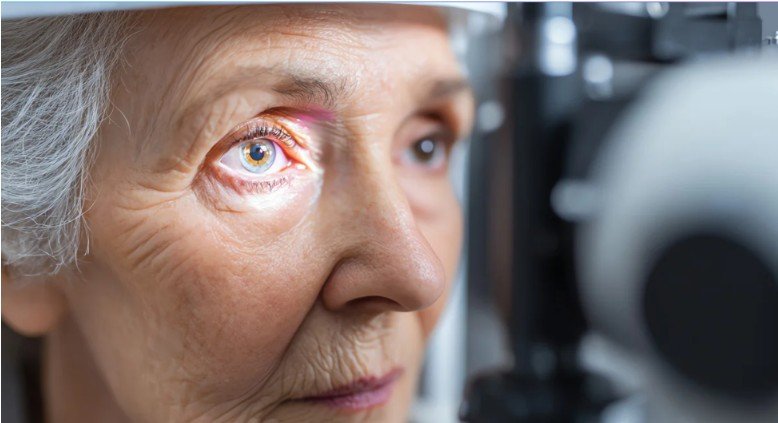
A comprehensive dilated exam allows the doctor to inspect the retina, macula, blood vessels, and optic nerve. Fundus photography may document narrowing, bleeding, fatty deposits, or swelling for future comparison.
Optical coherence tomography can reveal fluid or retinal thickening. Fluorescein angiography may help identify leakage or blocked circulation.
Tonometry measures pressure inside the eye. It does not measure systemic blood pressure or diagnose hypertensive retinopathy by itself.
The National Eye Institute states that most people with high blood pressure need a dilated eye examination at least once a year. Your eye doctor may recommend more frequent visits based on symptoms, diabetes, previous retinal findings, or the severity of your hypertension.
How to Protect Your Eyes From Hypertension
The main defense against hypertensive eye damage is controlling the underlying blood pressure. Take medication exactly as prescribed. Discuss side effects with your healthcare professional before changing or stopping a dose.
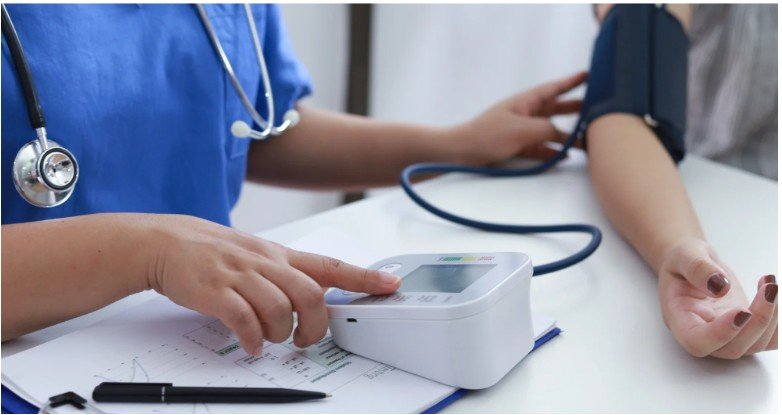
Use a validated upper-arm monitor when home tracking is recommended. Take readings under similar conditions and record the results. Bring that log to medical appointments so your clinician can identify patterns.
Manage related risk factors such as diabetes and high cholesterol. Avoid smoking, remain physically active, limit excess sodium, and follow the nutrition plan recommended by your healthcare team.
Regular eye care can identify damage before blurred vision develops. Ask whether your examination includes dilation and whether retinal photographs are appropriate.
UV-blocking sunglasses also support general eye health, although they cannot prevent blood vessel damage caused by hypertension. You need to protect eyes from UV rays year round for that separate layer of eye protection.
The clearest lesson from how high blood pressure can affect your eyes is simple: do not wait for symptoms before managing your numbers.
Frequently Asked Questions
1. How high blood pressure can affect your eyes without symptoms?
Hypertension may quietly narrow or damage retinal vessels before you notice blurred or distorted vision.
2. Can high blood pressure cause blurry vision?
Yes. Retinal leakage, macular swelling, choroidal fluid, optic nerve injury, or a blocked retinal vessel may cause blurring.
3. Can hypertension cause permanent vision loss?
Yes. Severe retinal, vascular, or optic nerve damage may become permanent, especially when emergency symptoms are not treated quickly.
4. How often should someone with high blood pressure get an eye exam?
Most people need a dilated examination at least once a year, although individual schedules may vary.
Your Eyes Do Not Need the Extra Pressure
I view how high blood pressure can affect your eyes as a warning about whole-body blood vessel health. Retinal changes may reveal damage long before your daily vision feels different.
Check your blood pressure, take medication correctly, and schedule a dilated eye examination. If sudden vision changes occur with a reading above 180/120 mm Hg, call 911. That is not a wait-and-see moment.