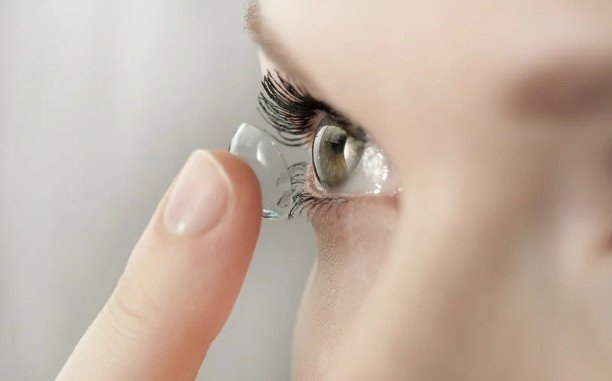
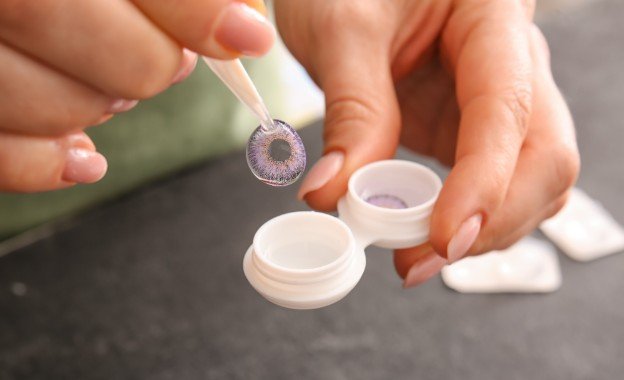
I know how alarming it can feel when a contact lens refuses to move. The eye may water, vision may become blurry, and every unsuccessful attempt can make the situation feel more urgent. Fortunately, most soft lenses can be removed safely when the eye is properly lubricated and the wearer remains patient.
In this guide, I explain how to remove a contact lens stuck in your eye without scratching the eye, damaging the lens, or making the irritation worse.
A contact lens cannot travel behind the eyeball, but it can fold, dry onto the cornea, or move beneath an eyelid. The safest approach is to stop rubbing, wash your hands, lubricate the eye, and identify the lens location before attempting removal.
What to Do Immediately When a Contact Lens Feels Stuck
Begin by washing your hands thoroughly with soap and drying them with a clean, lint-free towel. Dry fingertips provide a better grip while reducing the chance of transferring dirt or germs to the eye.
Stand in front of a well-lit mirror. Look straight ahead and then slowly move your gaze up, down, left, and right. A displaced soft lens may appear as a transparent or folded edge on the white part of the eye.
Apply several drops of sterile saline or lubricating eye drops approved for contact lenses. Close the eye and blink gently for several minutes. Lubrication helps rehydrate a dry lens so that it can move more freely.
Never use tap water, bottled water, or saliva to loosen a contact lens. Water is not sterile and may expose the eye and lens to harmful microorganisms.
How to Remove a Dry Soft Contact Lens
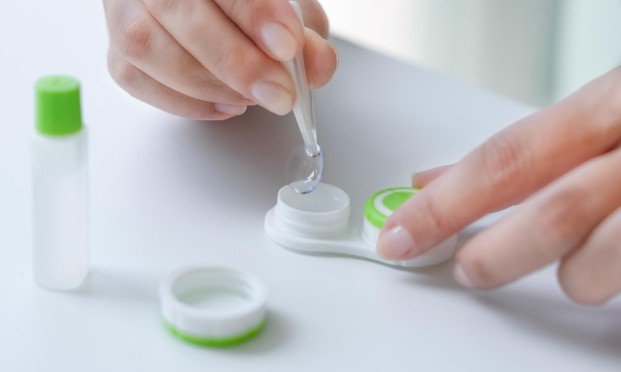
When the lens is centered over the colored part of the eye, resist the urge to pinch it immediately. Add rewetting drops and wait until the lens begins moving slightly when you blink.
Look upward and use the soft pad of one finger to slide the lens downward onto the white part of the eye. Once it is away from the sensitive central cornea, gently pinch it between the pads of your thumb and index finger.
Keep your fingernails away from the eye throughout the process. Long or sharp nails can damage the lens and scratch the surface of the eye.
When the lens does not move, apply more lubricant and wait another few minutes. Pulling at a dry lens may irritate the cornea. Stop after several careful attempts rather than repeatedly pinching or pressing the eye.
Removing a Contact Lens Under the Upper Eyelid
A lens that moves off-center may feel as though an eyelash or piece of grit is trapped beneath the upper eyelid.
Look downward while gently lifting the upper eyelid. Close the eye and lightly massage the eyelid downward toward the eyelashes. This movement may guide a folded soft lens back into view.
Once you can see the lens, apply another lubricating drop. To prevent blurry vision by wearing contact lenses, move the lens onto the white part of the eye before carefully pinching it out, then inspect it for damage or debris before reinsertion.
Do not rub the eyelid aggressively. Forceful rubbing can fold the lens further, irritate the eye, or scratch the corneal surface.
What to Do If the Contact Lens Has Torn

A dry or damaged soft lens may tear during removal. When this happens, stay calm and avoid searching for fragments with your fingernails.
Apply lubricating drops and blink several times. Look carefully around the white part of the eye and beneath both eyelids. A torn fragment may look like a small, transparent piece of plastic.
Use the pad of a clean fingertip to guide a visible fragment toward the corner of the eye. Remove it only when it moves freely and can be reached without touching the cornea.
Keep the recovered pieces so you can check whether the entire lens has been removed. When part of the lens cannot be located, stop attempting removal and contact an optometrist or ophthalmologist.
Persistent foreign-body sensation may also result from a corneal scratch, even when the complete lens has already been removed.
Removing Rigid and Scleral Contact Lenses
Rigid gas-permeable and scleral lenses should not be treated like ordinary soft lenses.
Avoid pinching a rigid lens between your fingers while it remains centered on the cornea. Follow the removal method demonstrated by your eye-care professional, which may involve controlled eyelid pressure or a prescribed suction tool.
Only use a removal device designed for your specific lens type. Never place tweezers, cotton swabs, or household tools near the eye.
If a rigid or scleral lens will not release, add the recommended lubricating solution and seek professional assistance rather than using force.
Mistakes to Avoid During Lens Removal
Do not rub the eye repeatedly, dig beneath the eyelid, or scrape at the lens with a fingernail. Avoid using tweezers or attempting to pull a lens that is still dry and firmly attached.
Do not insert another contact lens to check whether the first one is still present. This can increase irritation and make it more difficult to identify the original lens.
You should also avoid applying medicated eye drops unless they were recommended by an eye-care professional. Some products are not compatible with contact lenses.
When to Call an Eye-Care Professional
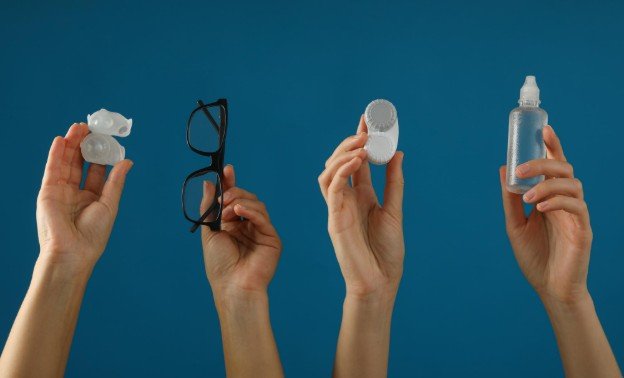
Stop attempting removal and contact an eye-care professional when the lens remains stuck after repeated lubrication and several gentle attempts.
Professional care is also important when you cannot confirm that every piece of a torn lens has been removed.
Seek prompt medical attention for increasing pain, intense redness, discharge, sensitivity to light, worsening discomfort, or blurred vision that continues after the lens is removed. These symptoms may indicate an abrasion, inflammation, or contact-lens and eye infection.
Do not continue wearing lenses while the eye is painful, red, or irritated. Wear glasses until the eye feels completely normal or an eye-care professional confirms that contact lens use can resume.
What to Do After Removing the Lens
Discard a lens that is torn, dried out, visibly damaged, or contaminated. Do not immediately reinsert the same lens, even when it appears undamaged.
Allow the eye to rest and wear glasses for the remainder of the day. Continued irritation after removal should not be ignored.
Clean reusable lenses and their storage case only with the approved contact lens solution. Follow the prescribed replacement schedule and never sleep, shower, or swim in lenses unless your eye-care professional has specifically approved that use.
How to Prevent Contact Lenses From Sticking
Dryness is a common reason a lens becomes difficult to remove. Use contact-compatible lubricating drops when recommended, particularly during long periods of screen use, air travel, or time spent in air-conditioned rooms.
Follow the wearing schedule prescribed for the lens. Wearing contacts longer than recommended can increase dryness, deposits, discomfort, and the likelihood of difficult removal.
Wash and dry your hands before touching lenses. Replace damaged lenses and attend regular eye examinations so the fit, material, and prescription can be assessed.
Frequently Asked Questions
1. Can a contact lens go behind the eye?
No. The tissues around the eye prevent a contact lens from travelling behind the eyeball, although it can move beneath an eyelid.
2. How long should I try to remove a stuck lens?
Try lubrication, blinking, and a few gentle removal attempts. Stop when the lens remains fixed or the eye becomes painful or increasingly red.
3. Can I use water to loosen a dry contact lens?
No. Use sterile saline or contact-compatible lubricating drops rather than tap, bottled, or distilled water.
4. How to remove a contact lens stuck in your eye when it has torn?
Lubricate the eye, remove only freely moving visible pieces, and obtain professional help when a fragment cannot be located or safely reached.
Final Thoughts
When a lens becomes stuck, I believe patience matters more than force. Clean hands, suitable lubrication, gentle movements, and a well-lit mirror can resolve many situations without injuring the eye.
I would never continue pulling at a lens that remains dry, use an improvised tool, or ignore pain and blurred vision. Knowing when to stop and contact an eye-care professional is just as important as knowing the removal steps. Protecting the eye should always take priority over recovering the lens.