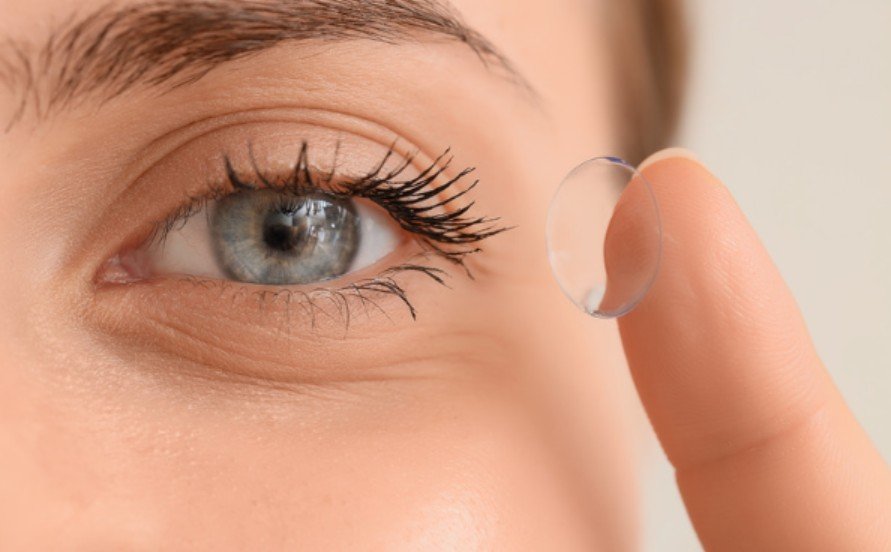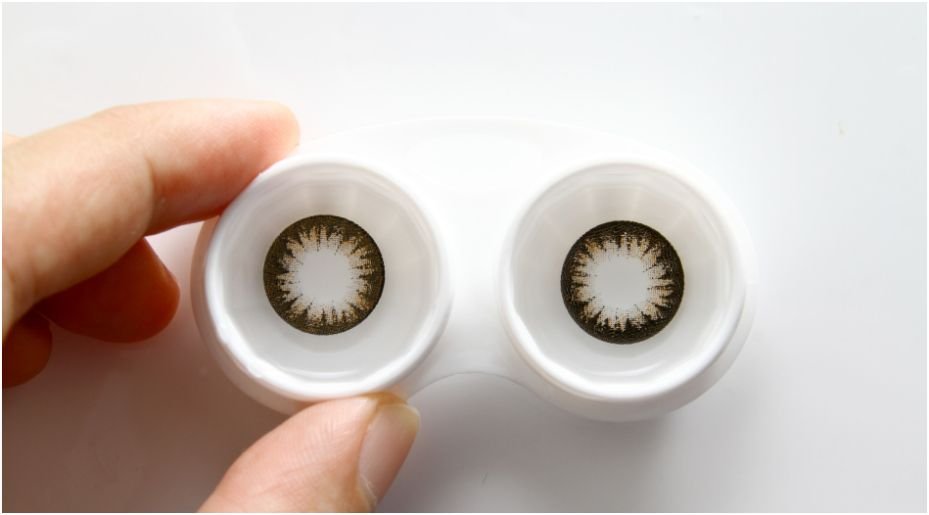
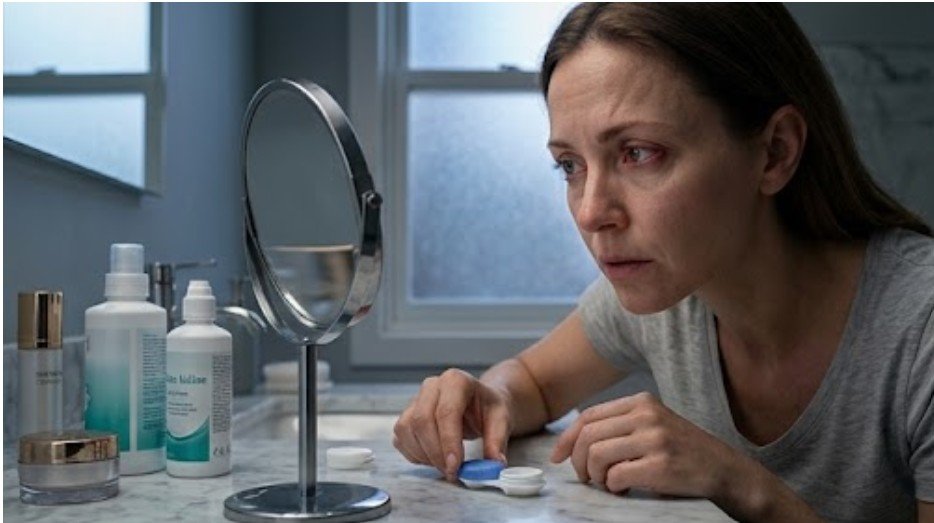
Although modern contact lenses are designed to be safe and comfortable, they sit directly on the surface of your eye for hours each day. Poor hygiene, wearing lenses for too long, sleeping in them, or exposing them to contaminated water can allow bacteria, fungi, or parasites to reach the cornea.
Left untreated, these infections may lead to corneal ulcers, scarring, and even permanent vision loss. Understanding the warning signs helps you know when to remove your lenses and seek professional care before complications develop.
Why Do Contact Lens Infections Happen?
Contact lenses themselves do not cause infections, but improper handling and hygiene can create the perfect environment for harmful microbes to grow. Every time you touch your lenses with unwashed hands or expose them to contaminated water, you increase the risk of introducing bacteria, fungi, or parasites directly onto your eye.
Sleeping in contact lenses, unless specifically approved by your eye care provider, significantly reduces oxygen reaching the cornea and makes infections more likely. Reusing old disinfecting solution, failing to replace storage cases regularly, or wearing disposable lenses beyond their recommended schedule also increases the chances of microbial contamination.
Incorrect insertion can also cause immediate discomfort and repeated handling, so learning how to tell if a contact is inside out may help reduce unnecessary irritation and contamination during reinsertion.
Swimming, showering, or using a hot tub while wearing contact lenses is another common risk factor. Water from these sources may contain microorganisms that can become trapped beneath the lens and cause serious infections, including microbial keratitis.
Common Contact Lens Infection Symptoms
While every infection is different, several warning signs commonly appear during the early stages. Paying attention to these symptoms can help you decide when immediate medical evaluation is necessary.
Persistent Eye Redness and a Gritty Feeling
One of the earliest contact lens infection symptoms is redness that does not improve after removing your contacts. Instead of the mild pinkness associated with tired eyes, infected eyes often appear bright red and inflamed.
Many people also describe the sensation as feeling like sand, dust, or an eyelash is permanently trapped beneath the eyelid. Blinking repeatedly does not relieve the discomfort, and rinsing the eye or using eyewash solutions usually provides little or no improvement.
Because dryness can sometimes mimic early irritation, understanding why contacts feel dry after a few hours can help you distinguish ordinary lens discomfort from symptoms that may require urgent eye care.
Sharp Eye Pain and Light Sensitivity
Healthy contact lenses should never cause severe pain. If your eye begins aching, burning, or stinging after removing your lenses, it should never be ignored.
Another important warning sign is increased sensitivity to light. Bright sunlight, computer screens, or even indoor lighting may suddenly become uncomfortable. You may instinctively squint or keep the affected eye closed because opening it becomes painful.
Pain combined with light sensitivity often suggests inflammation involving the cornea and requires prompt evaluation by an eye care professional.
Blurry Vision and Excessive Tearing

Sudden changes in vision are among the most concerning contact lens infection symptoms. Your vision may become cloudy, hazy, or blurry even after cleaning your lenses or switching to glasses.
You might also notice excessive tearing as your eye attempts to flush out the irritation. In some cases, the discharge becomes thick, yellow, green, or pus-like rather than watery. Sticky discharge that causes your eyelids to stick together, especially after sleeping, should always be evaluated by a healthcare provider.
Swelling Around the Eye
Some infections also cause swelling of the eyelids or surrounding tissues. Your eyelids may feel tender, appear puffy, or become difficult to open fully. Swelling accompanied by pain, redness, and vision changes usually indicates that your eye needs urgent medical attention.
When Symptoms May Signal Keratitis
One of the most serious complications associated with contact lens wear is microbial keratitis, an infection of the cornea. This condition can develop rapidly and may permanently damage vision if treatment is delayed.
Early keratitis symptoms often resemble minor irritation, making them easy to overlook. Persistent grittiness, worsening redness, increasing pain, excessive tearing, and mild blurred vision are all possible warning signs. As the infection progresses, you may notice a white or gray spot on the cornea, severe light sensitivity, or rapidly declining vision.
Because keratitis can worsen within hours, anyone experiencing these symptoms should seek emergency eye care instead of waiting to see whether the discomfort improves on its own.
What to Do if You Notice Contact Lens Infection Symptoms
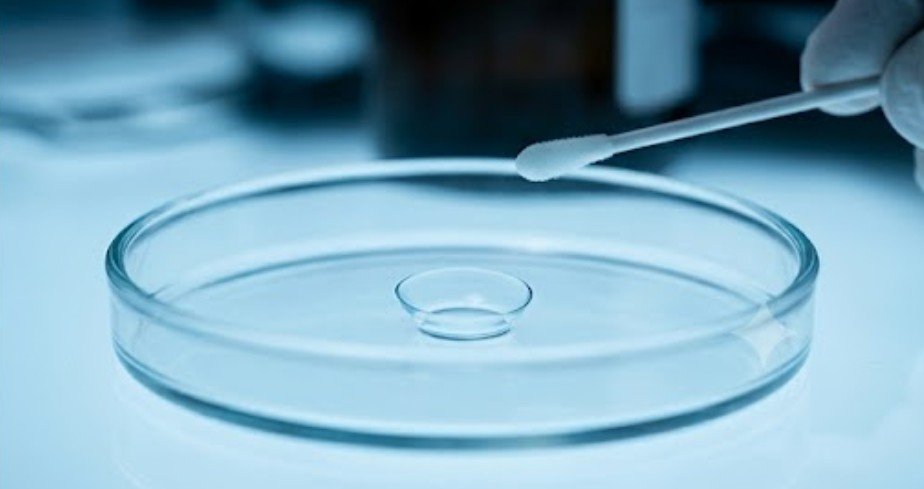
If you suspect your eyes are developing an infection, your immediate actions can make a significant difference in your recovery.
The first step is to remove your contact lenses immediately. Continuing to wear them may trap microorganisms against the surface of your eye and increase irritation. Switch to your backup eyeglasses until your eye doctor confirms it is safe to wear contacts again.
Do not throw away the lenses or the storage case. Instead, place the lenses in a clean case filled with fresh disinfecting solution. Your eye care provider may wish to examine or culture the lenses and case to identify the exact organism responsible for the infection. This information can help guide treatment if standard medications are ineffective.
Seek medical attention as soon as possible if symptoms persist after removing your lenses. Severe pain, sudden vision loss, increasing redness, or a visible white spot on the cornea should always be treated as an emergency.
What to Avoid During an Eye Infection
Many people unknowingly make their symptoms worse while trying to find quick relief.
Avoid rubbing your eyes, even if they feel itchy or irritated. Rubbing can spread infection and further damage the already inflamed cornea.
Do not rinse your lenses with tap water or saliva. Neither is sterile, and both may contain microorganisms capable of causing severe eye infections.
It is also best to avoid using over-the-counter redness-relieving eye drops unless your eye care provider specifically recommends them. These products only reduce redness temporarily and may hide symptoms without treating the actual infection.
Finally, never resume wearing contact lenses until your doctor confirms the infection has completely resolved.
First-Aid Steps Before Seeing an Eye Doctor

If symptoms begin unexpectedly, staying calm and following proper first-aid measures can help minimize further irritation while you arrange medical care.
Wash and dry your hands thoroughly before removing your contact lenses. Place the lenses into a clean storage case containing fresh disinfecting solution rather than discarding them. Put on your prescription glasses to allow your corneas time to recover and avoid exposing your eyes to unnecessary bright light if you are experiencing light sensitivity.
Most importantly, arrange an appointment with an optometrist or ophthalmologist as soon as possible. Early diagnosis allows treatment to begin before permanent damage develops.
Frequently Asked Questions
1. How do you know if you have an infection from contacts?
You may have a contact lens infection if you experience persistent redness, pain, blurred vision, discharge, excessive tearing, or sensitivity to light that continues after removing your lenses. These symptoms should always be evaluated by an eye care professional.
2. How common are contact lens infections?
Serious contact lens infections are relatively uncommon, especially among people who follow proper lens hygiene. However, the risk increases significantly when lenses are worn overnight, cleaned improperly, or exposed to contaminated water.
3. How do you treat a contact lens infection?
Treatment depends on the cause of the infection. Your doctor may prescribe antibiotic, antiviral, or antifungal eye drops after examining your eye. Because different organisms require different medications, professional evaluation is essential.
4. What are the first signs of keratitis?
Early keratitis symptoms often include persistent grittiness, increasing redness, mild blurred vision, unusual tearing, eye pain, and sensitivity to light. These symptoms should never be ignored, particularly if they worsen over a short period.
Protect Your Eyes with Quick Action
Recognizing contact lens infection symptoms early is one of the best ways to protect your long-term eye health. Although many cases begin with what seems like minor irritation, infections involving the cornea can progress rapidly if left untreated. Removing your lenses immediately, switching to glasses, and seeking prompt medical evaluation greatly reduce the risk of complications.