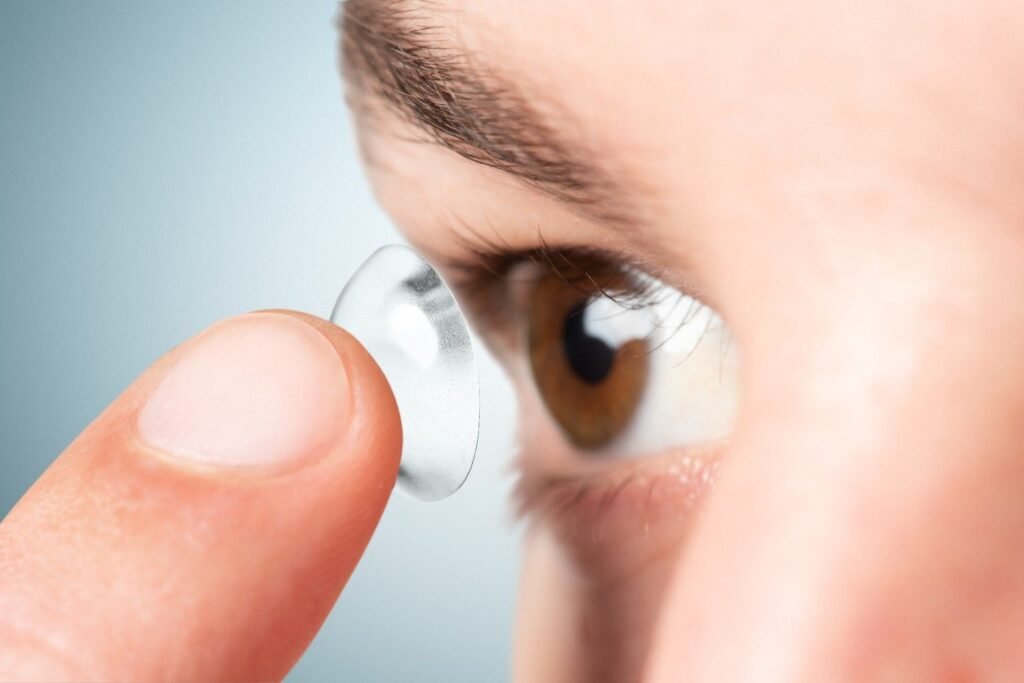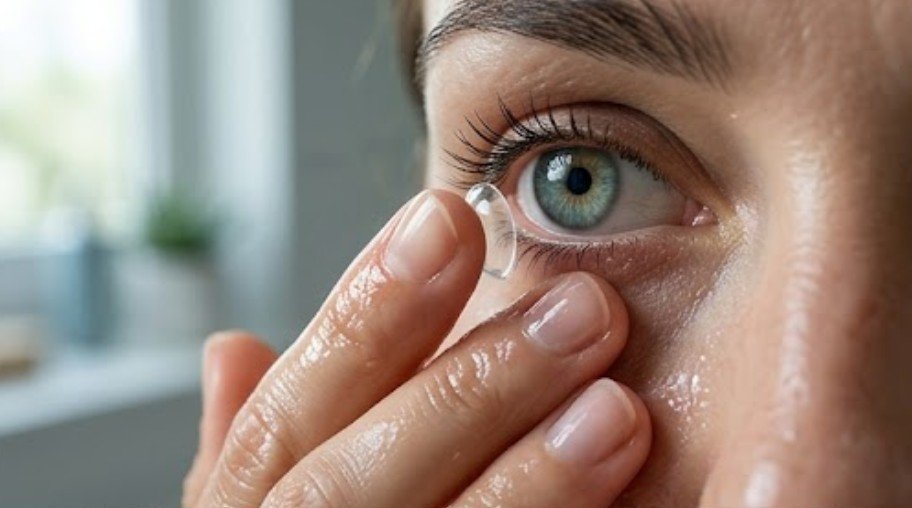
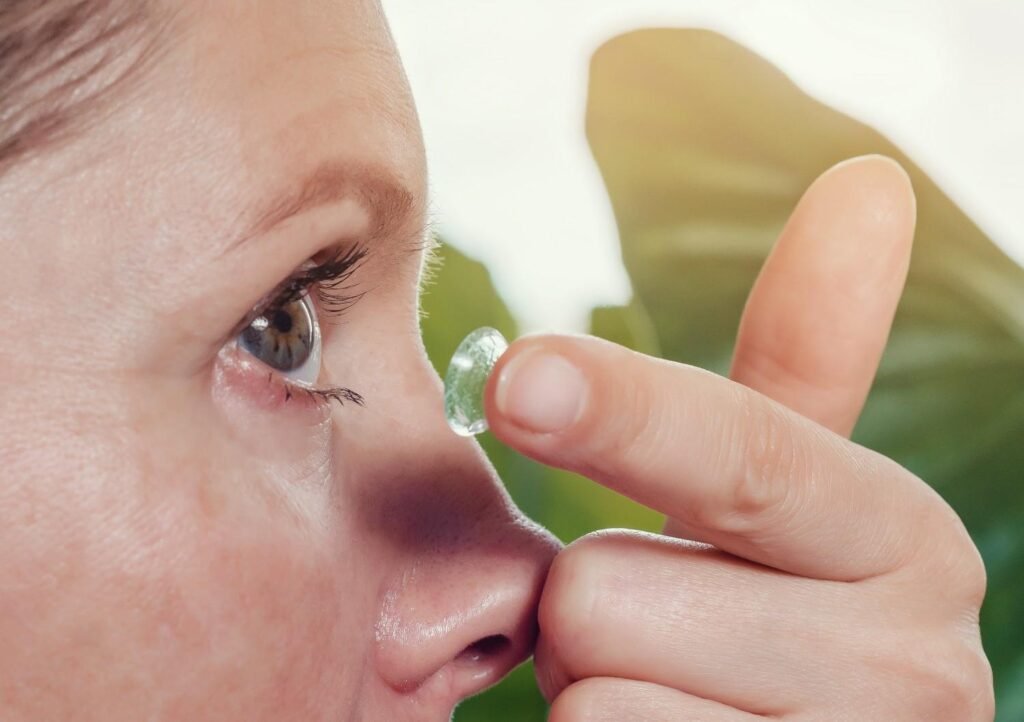
Your contacts may feel perfectly comfortable when you leave home, yet a few hours inside a chilled office can make them feel gritty, tight, and difficult to ignore. When contact lenses dry out in air conditioning, the problem usually comes from low indoor humidity, constant airflow, reduced blinking, and faster tear-film evaporation.
I have experienced how quickly this discomfort can disrupt screen work, driving, or a long flight. Fortunately, you can often restore comfort by changing where the air blows, improving your blinking habits, using compatible rewetting drops, and choosing lenses that better suit dry indoor environments.
Why Does Air Conditioning Make Contacts Feel Dry?
Air conditioning removes moisture as it cools indoor air. In US offices, homes, cars, airports, and airplanes, the drier environment can destabilize the tear layer covering a contact lens. When it breaks up too quickly, you may notice burning, grittiness, lens awareness, or vision that clears briefly after blinking.
Direct airflow makes the effect worse. A ceiling vent, desk fan, or car vent continually carries moisture away from your eyes. The National Eye Institute recommends avoiding wind and air conditioning when possible and using a humidifier when indoor air becomes too dry.
Why Do Screens Worsen Contact Lens Dryness?
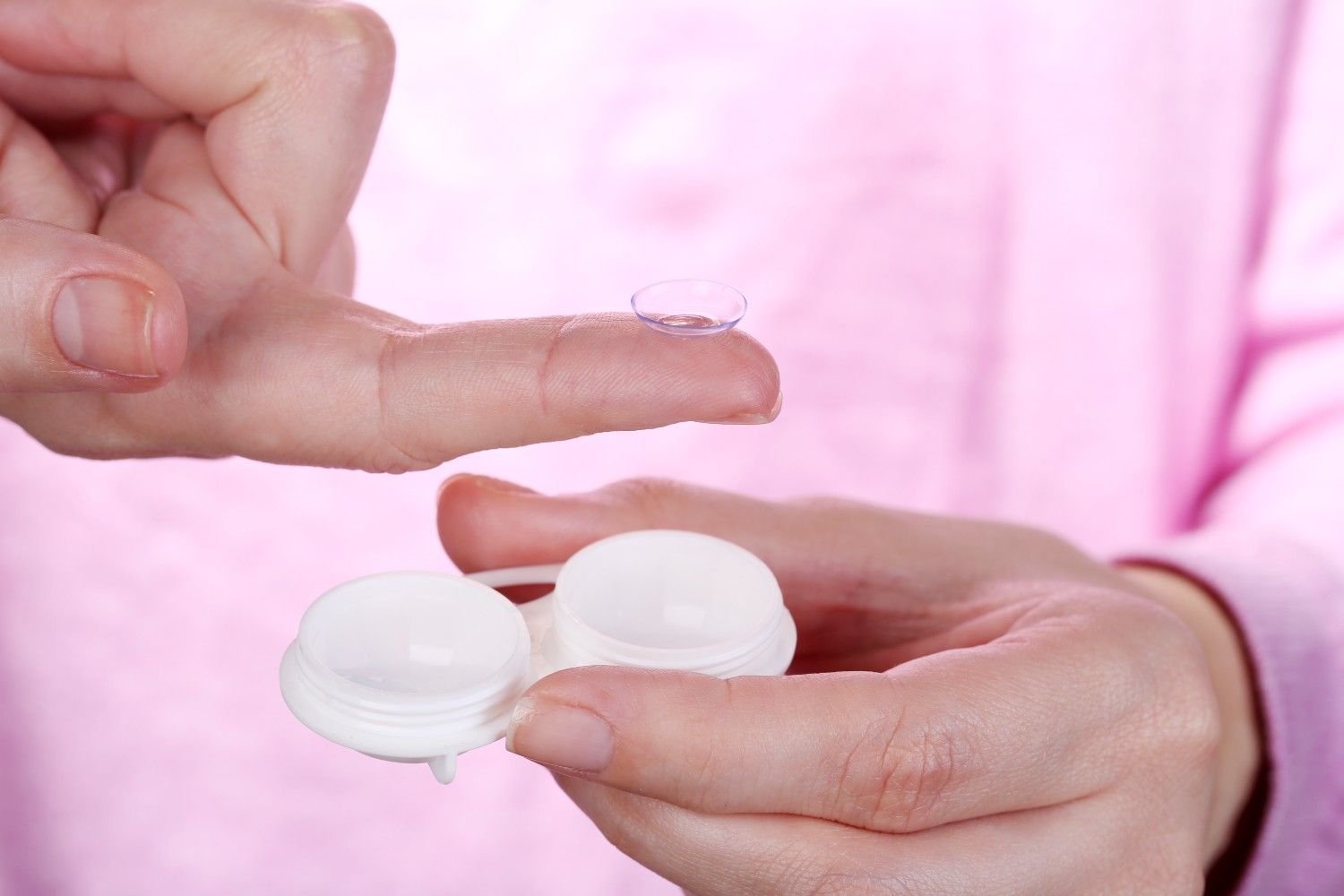
Extended computer use can reduce blink frequency and cause incomplete blinking. A partial blink fails to spread fresh tears across the entire lens, leaving areas dry for longer. Research suggests that improving blink completeness can help protect the lens surface during computer work.
How Can I Get Fast Relief From Dry Contacts?
First, redirect the air. Move away from a ceiling vent, turn a desk fan aside, or point dashboard vents toward the windshield, windows, or feet instead of your face.
Next, use lubricating or rewetting drops specifically labeled for your contact lenses. A preservative-free option may suit frequent users, but not every preservative-free product is approved for use over lenses. Check the label and follow your optometrist’s instructions.
I would apply drops before entering a very dry room only when the product directions allow it. Repeat them according to the label or professional advice rather than following an arbitrary schedule. The FDA recommends using eye drops and solutions appropriate for your lenses.
Practice the 20-20-20 rule during screen work. Every 20 minutes, look at something approximately 20 feet away for 20 seconds. Use the pause to perform several gentle, complete blinks so your eyelids spread a fresh tear layer over the lenses.
When discomfort persists, remove the lenses and switch to glasses. I recommend carrying backup glasses during long office days, road trips, and flights rather than forcing yourself to tolerate worsening irritation.
Which Long-Term Changes Prevent Dry Contacts?
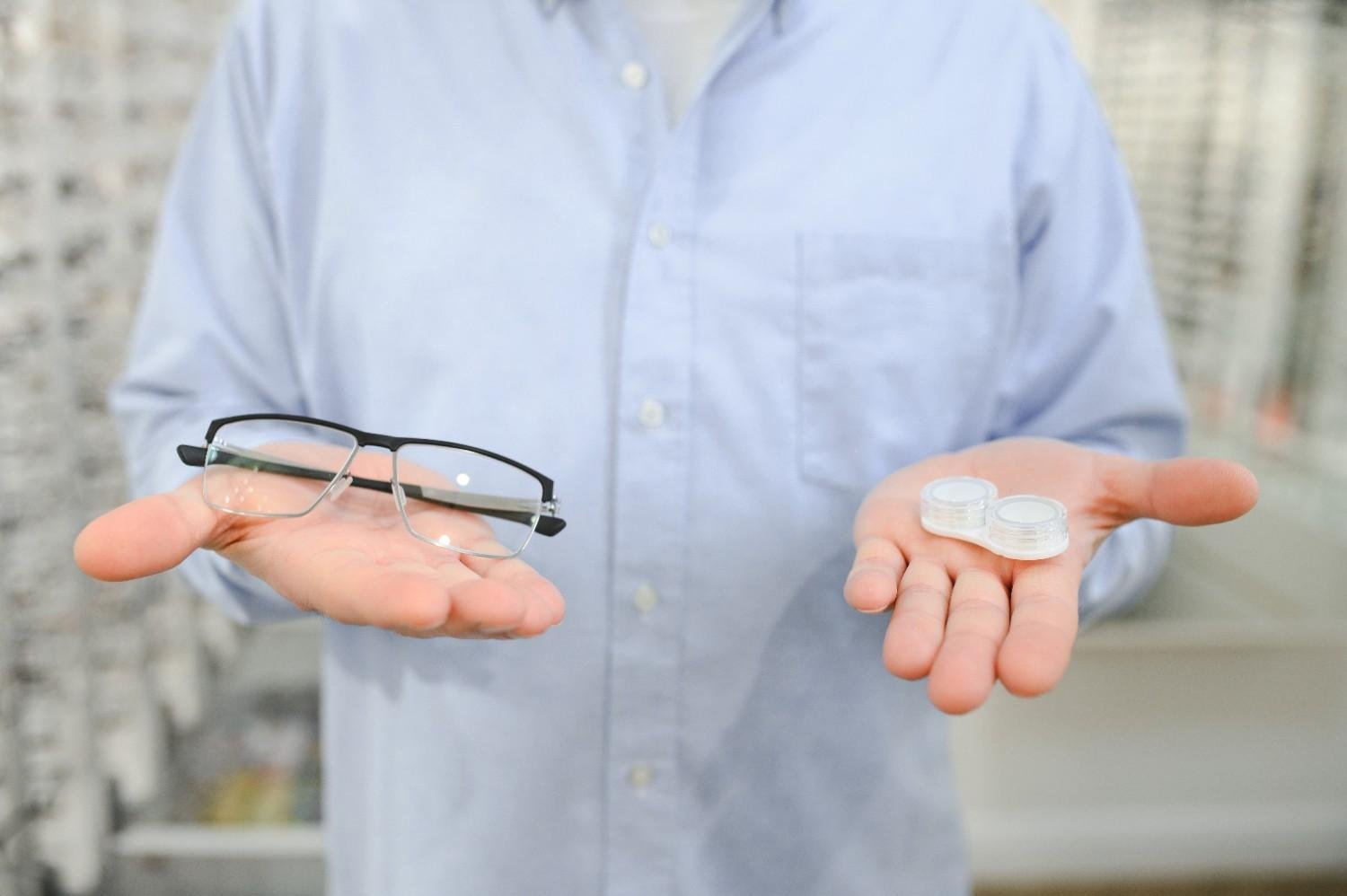
A clean desktop humidifier can add moisture near your workspace. Keep mist away from your eyes and maintain the unit as directed. A humidifier may reduce an environmental trigger, but it cannot correct an unsuitable lens fit or underlying dry-eye condition.
Drink water regularly throughout the day to support normal tear production, especially during summer travel. Still, hydration alone cannot correct allergies, eyelid inflammation, medication side effects, lens deposits, poor fit, or dry-eye disease.
Are Daily Disposable Contacts Better in Air Conditioning?
Daily disposables provide a fresh lens each morning and avoid the buildup associated with reusing one pair. Protein, oil, cosmetics, and solution residue can reduce surface wettability. Some symptomatic reusable-lens wearers experience improved comfort after switching to daily lenses, although the result depends on the wearer and the specific lens design.
If you wear two-week or monthly contacts, follow the prescribed cleaning and replacement schedule. Never top off old solution, rinse lenses with tap water, or stretch a pair beyond its recommended period. CDC guidance emphasizes using fresh disinfecting solution, replacing lenses on schedule, and keeping all water away from contacts.
Should I Switch to Silicone Hydrogel Lenses?
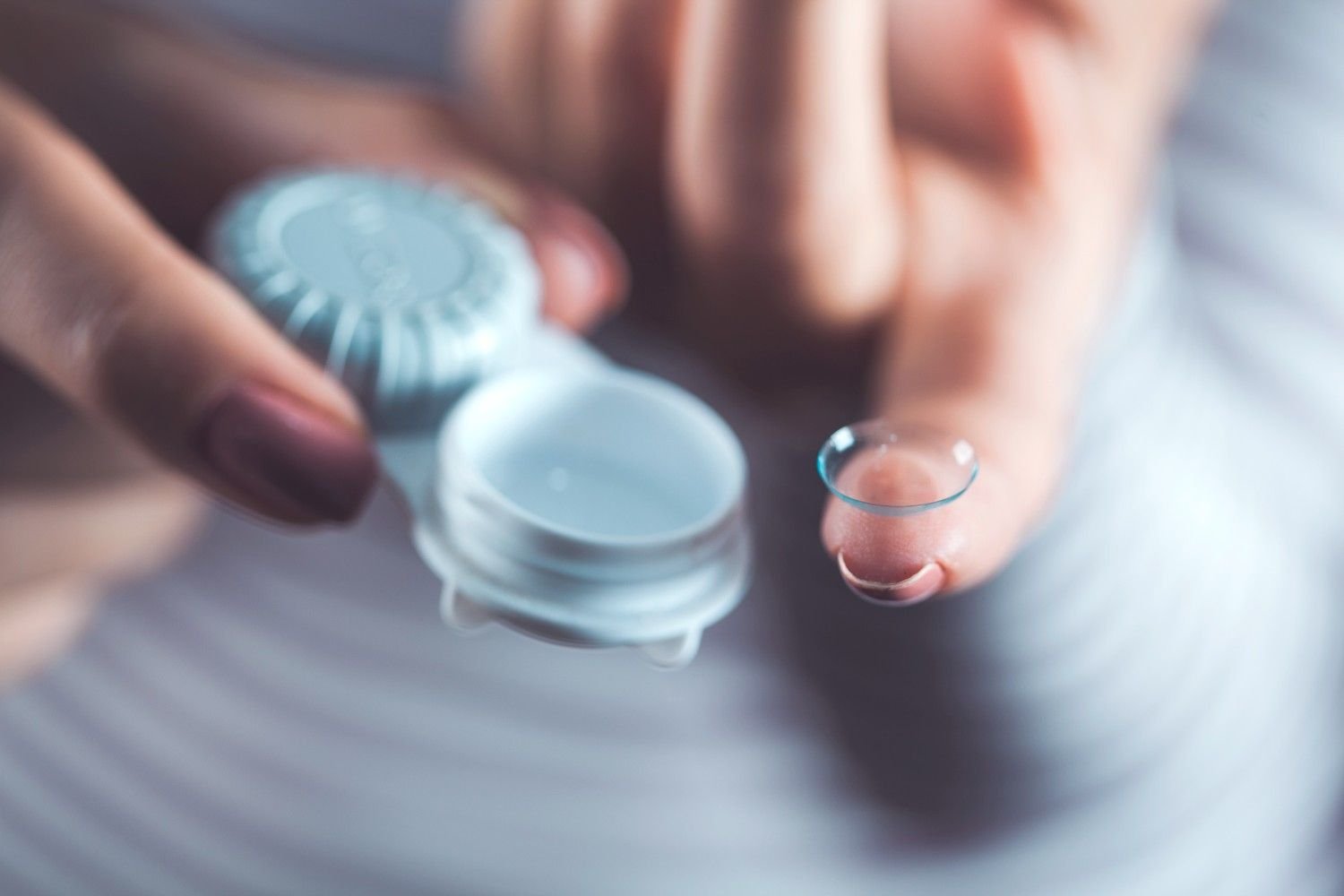
Silicone hydrogel materials generally allow more oxygen to reach the cornea. Some newer products also use surface technologies designed to improve wettability and resist environmental dehydration.
However, greater oxygen transmission does not guarantee better moisture retention or comfort. Evidence indicates that comfort also depends on lens design, surface properties, replacement frequency, care products, fit, and the wearer’s tear film.
Ask an optometrist to compare materials, lens movement, deposits, tear stability, and corneal health instead of relying only on moisture-related advertising. An eye doctor may recommend silicone hydrogel, daily disposable, water-gradient, or another lens type based on how your eyes respond during actual wear.
When Should I Remove My Contacts?
Remove your lenses when dryness becomes painful, vision remains cloudy, or approved rewetting drops and complete blinking do not help.
Contact an eye care professional if you experience persistent redness, discharge, significant light sensitivity, sudden vision changes, severe pain, or symptoms affecting only one eye. Contact lenses are regulated medical devices and require proper fitting and professional oversight.
Continuing to wear an uncomfortable lens can make irritation worse. Never sleep in your contacts unless your eye doctor has specifically prescribed them for overnight wear.
Frequently Asked Questions (FAQs)
1. Why do contact lenses dry out in air conditioning even after I use drops?
Drops provide temporary lubrication but cannot correct direct airflow, incomplete blinking, long screen sessions, lens deposits, excessive wearing time, poor lens fit, or dry-eye disease.
2. Can air conditioning permanently damage my lenses?
Normal exposure usually causes temporary discomfort rather than permanent damage. Remove a lens that remains dry, painful, cloudy, damaged, or difficult to tolerate.
3. Can I use regular artificial tears with contacts?
Use only products labeled as compatible with your lens type unless your eye doctor provides different instructions. Many dry-eye drops require you to remove your contacts before applying them.
4. Is Blurry Vision From Dry Contacts Normal?
Dryness can cause fluctuating blur that briefly improves after a full blink. Persistent blur, pain, redness, discharge, or light sensitivity requires professional evaluation.
Keep Your Eyes Comfortable in Cooled Spaces
I would start with simple changes: redirect vents, blink fully, take screen breaks, use approved rewetting drops, add a humidifier, stay hydrated, and keep glasses nearby. Understanding why do contacts feel dry after a few hours can help identify whether airflow, screen use, lens deposits, or extended wear is contributing to the problem.
If symptoms return daily, ask an eye care professional to review your lens fit, material, cleaning routine, and replacement schedule. The right solution should protect both comfort and eye health.