After a short night, your eyes may burn, blur, twitch, or struggle to focus. I treat these symptoms as more than a cosmetic “tired look,” because how lack of sleep affects your eyes and vision involves both the eye’s surface and the brain’s visual processing.
Most short-term changes improve after proper rest. However, persistent blur, pain, marked redness, or sudden vision changes need professional attention. Sleep loss may expose an existing eye problem rather than explain every symptom.
Why Sleep Loss Can Make Your Eyes Feel Different
Your eyes depend on a stable tear film, regular blinking, coordinated movements, and alert visual processing. Sleep deprivation can disturb several of these systems at once.
Tear Film Instability Causes Dry, Gritty Eyes
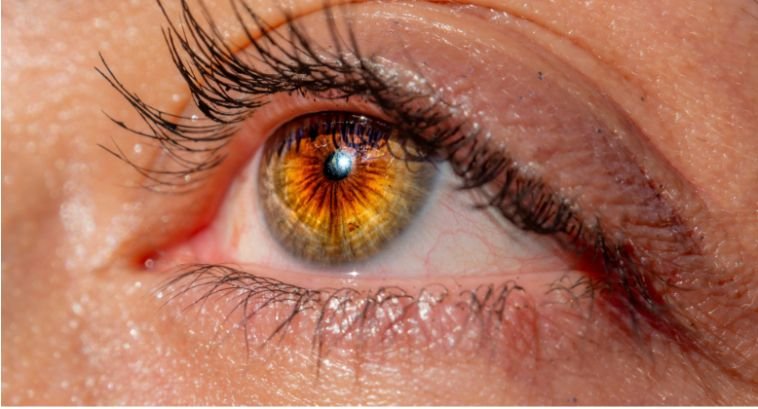
The tear film creates a smooth optical surface across the cornea. When it becomes unstable, your eyes may feel scratchy, hot, watery, or sensitive to light. Your vision may also fluctuate.
A controlled human study found that sleep deprivation increased tear osmolarity, shortened tear break-up time, and reduced tear secretion. The National Eye Institute also identifies burning, redness, light sensitivity, and blurry vision as common dry-eye symptoms. This evidence explains why how lack of sleep affects your eyes and vision often begins with dryness rather than permanent eye damage.
Tired Eyes Struggle to Maintain Clear Focus
Blur after poor sleep is often temporary. An unstable tear layer can scatter incoming light, while fatigue makes sustained reading and screen work more difficult.
Notice what happens after you blink several times. If the image briefly becomes clearer, tear-film instability may be contributing to the problem.
I use that clue carefully because it is not a diagnosis. Blur that remains in one eye, becomes worse, or continues after proper rest deserves an eye examination.
Eyelid Twitching Becomes More Likely
A repetitive eyelid twitch is known as eyelid myokymia. Sleep deprivation, stress, caffeine, and eye strain are recognized triggers. The twitch usually settles when the trigger improves. Twitching that spreads across the face or continues for an extended period should be assessed professionally.
How Lack of Sleep Affects Your Eyes and Vision Short Term
Understanding how lack of sleep affects your eyes and vision becomes easier when symptoms are divided into eye-surface problems and brain-processing problems.
Eye Strain, Headaches, and Light Sensitivity
Dryness may make screens, sunlight, wind, and air-conditioned rooms feel harsher. Long periods of screen use also reduce normal blinking, which allows tears to evaporate more quickly.
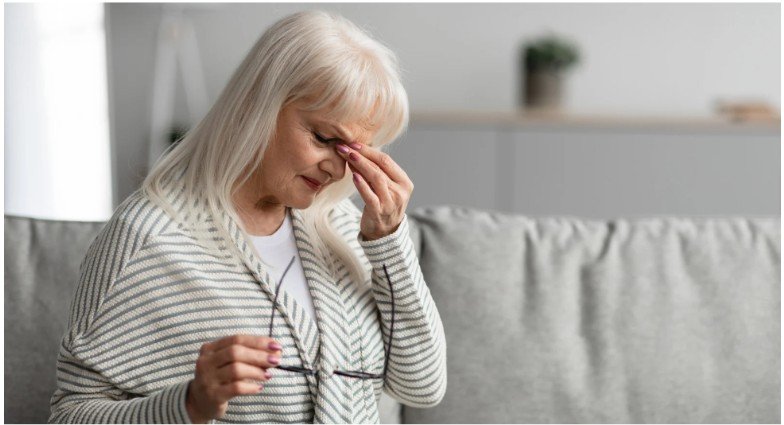
The combined effect may feel like heavy eyelids, forehead discomfort, burning, or difficulty keeping text clear. Taking regular distance breaks and blinking fully can reduce screen-related dryness and fatigue.
Slower Visual Attention and Reaction Time
Your eyes may still capture an image while your brain processes it less efficiently. Recent research indicates that total sleep deprivation can reduce perceptual accuracy and slow reaction times across visual and other sensory tasks.
CDC guidance also warns that drowsiness slows reactions, reduces attention, and impairs decision-making while driving. Therefore, how lack of sleep affects your eyes and vision is not limited to sharpness on an eye chart. It may influence how quickly you notice a hazard, follow movement, or respond to changing traffic.
Do not rely on caffeine, open windows, or loud music to make drowsy driving safe. Pull over or arrange another form of transportation when you cannot stay alert.
Puffy Eyelids and Dark Circles
Sleep loss may change how the area around your eyes looks. In an experimental study, sleep-deprived faces were perceived as having redder eyes, more swollen eyelids, and darker under-eye circles.
These changes are cosmetic and nonspecific. Allergies, genetics, aging, skin pigmentation, rubbing, and dehydration can create a similar appearance. Dark circles alone cannot reveal how much sleep someone received.
How Lack of Sleep Affects Your Eyes and Vision Over Time
The evidence is more nuanced than many online articles suggest. One bad night can make vision uncomfortable, but current research does not show that a single sleepless night directly causes glaucoma or retinal disease.
Sleep Problems and Glaucoma Risk
Glaucoma damages the optic nerve and can cause irreversible vision loss. Observational studies have linked insomnia, daytime sleepiness, snoring, and unusually short or long sleep duration with glaucoma risk. However, an association does not prove that sleep deprivation directly causes glaucoma.
Eye pressure follows a daily rhythm and may change with sleep position. I would not claim that sleeping simply “lowers eye pressure.” A controlled human sleep-deprivation study found no significant acute change in intraocular pressure, while broader research shows that pressure patterns are influenced by circadian timing and posture.
The responsible takeaway is that chronic sleep problems may be relevant to glaucoma risk, particularly for people with a family history, elevated eye pressure, sleep apnea, or an existing glaucoma diagnosis.
Sleep, Diabetes, and Retinal Health
For people with diabetes, sleep quality deserves attention because sleep and metabolic health are closely connected. Research examining diabetic retinopathy has produced mixed results.
One meta-analysis found an association between short sleep and diabetic retinopathy, while another found a clearer association with long sleep rather than short sleep. These differences show why researchers cannot yet define a single sleep-duration threshold that causes retinal damage.
Therefore, how lack of sleep affects your eyes and vision should never replace proven diabetes-care priorities. Control blood sugar, blood pressure, and cholesterol, and attend recommended dilated eye examinations.
Does Sleep Loss Cause Retinal “Toxin” Damage?
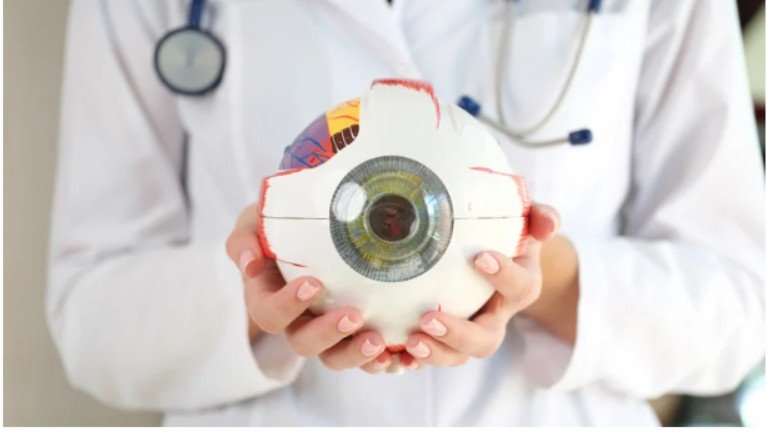
Sleep supports brain function and biological waste-clearance processes. However, current human evidence does not establish that one short night causes retinal toxins to accumulate and destroy vision.
Animal research suggests that sleep deprivation may alter corneal cell behavior, but animal findings cannot be applied directly to ordinary human sleep loss. More clinical research is needed before making strong claims about permanent retinal or corneal injury.
My 48-Hour Sleep-to-Sight Check
I recommend a simple two-day check when symptoms are mild and no emergency warning signs are present.
Record your sleep duration, screen hours, contact-lens wear, caffeine intake, and eye symptoms. Then aim for at least seven hours of sleep, take regular screen breaks, blink fully, and use only eye drops appropriate for your situation.
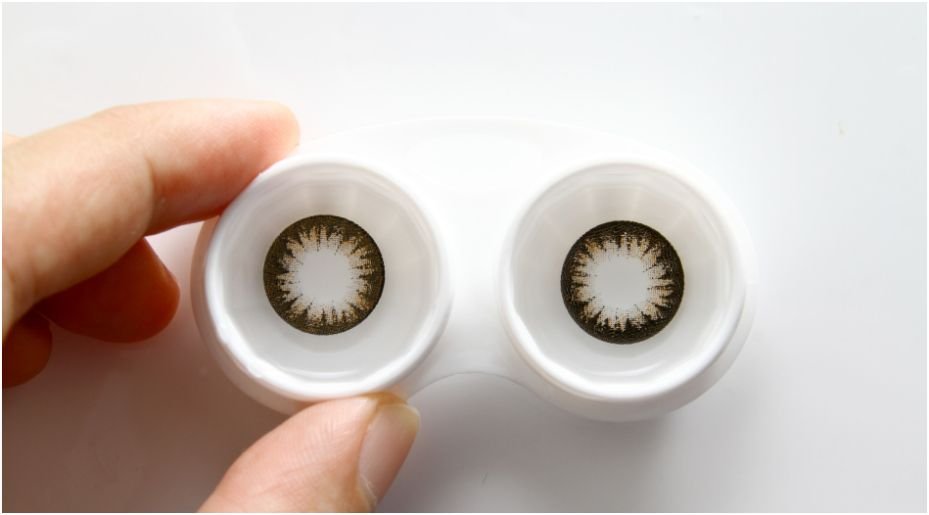
The CDC recommends at least seven hours of sleep for most adults. Also, replace your contact lens case every three months, or sooner if it becomes damaged or dirty, to help reduce the risk of eye infections.
Notice whether your blur clears after blinking. Check whether both eyes feel equally dry and whether symptoms improve after two better nights.
Consider this worked example. A person sleeps for five hours, wears contact lenses for 14 hours, drinks several coffees, and works on screens throughout the day. Sleep may contribute to the discomfort, but reduced blinking, caffeine, and extended lens wear may matter just as much.
The check identifies patterns; it cannot rule out disease. How lack of sleep affects your eyes and vision should improve after recovery sleep when fatigue is the main cause.
When to See an Eye Doctor
Arrange an eye examination if dryness or blur keeps returning, affects one eye more than the other, or continues after adequate rest.
Contact-lens users should remove their lenses when they develop pain, redness, light sensitivity, discharge, or sudden blurry vision. These symptoms may indicate a corneal problem or infection rather than simple fatigue.
Seek urgent care for intense eye pain, a sudden change in vision, a very red and watery eye, flashes of light, many new floaters, or a curtain-like shadow across your vision. Retinal detachment and certain forms of glaucoma are medical emergencies.
Better Sleep, Brighter Eyes—No More Negotiating
My rule is simple: do not use sleep deprivation as a diagnosis. Use it as a clue.
The most practical response to how lack of sleep affects your eyes and vision is consistent sleep, less eye-surface stress, and close attention to whether your symptoms resolve.
Most adults need at least seven hours of sleep. Start tonight with a fixed waking time, fewer late screens, and earlier contact-lens removal. If your vision remains blurry after proper rest, book an eye examination instead of bargaining with another cup of coffee.
Frequently Asked Questions
1. Can lack of sleep cause blurry vision?
Yes. Sleep loss can destabilize your tear film and slow visual processing, but persistent blurry vision requires an eye examination.
2. Can lack of sleep cause dry eyes?
Yes. Experimental evidence shows that sleep deprivation can reduce tear secretion and shorten tear-film stability.
3. How long do tired eyes take to recover?
Mild symptoms may improve after one or two well-rested nights, although recovery time varies according to the underlying cause.
4. Can lack of sleep permanently damage eyesight?
One poor night rarely causes permanent damage, but chronic sleep problems are associated with certain eye conditions and should not be ignored.