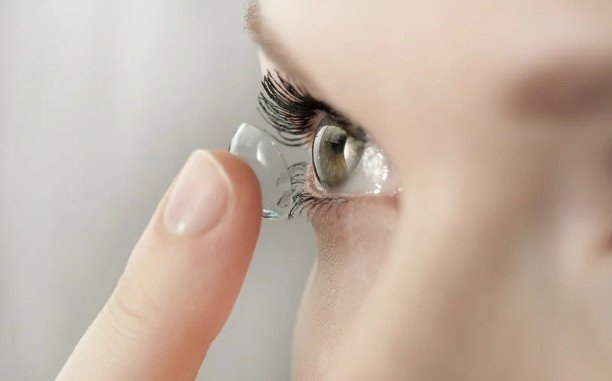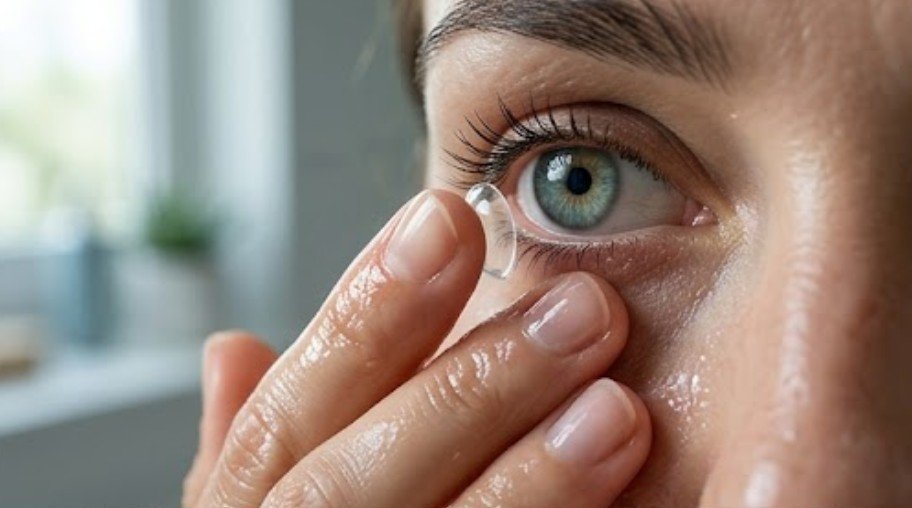
Standing in front of the bathroom mirror at sunrise, blinking back sudden tears while holding a tiny piece of plastic, happens to every contact wearer. Learning how to tell if contact inside out saves precious minutes and protects your eyes from frustrating morning irritation. Mastering lens inspection keeps your eyes feeling fresh and healthy all day long.
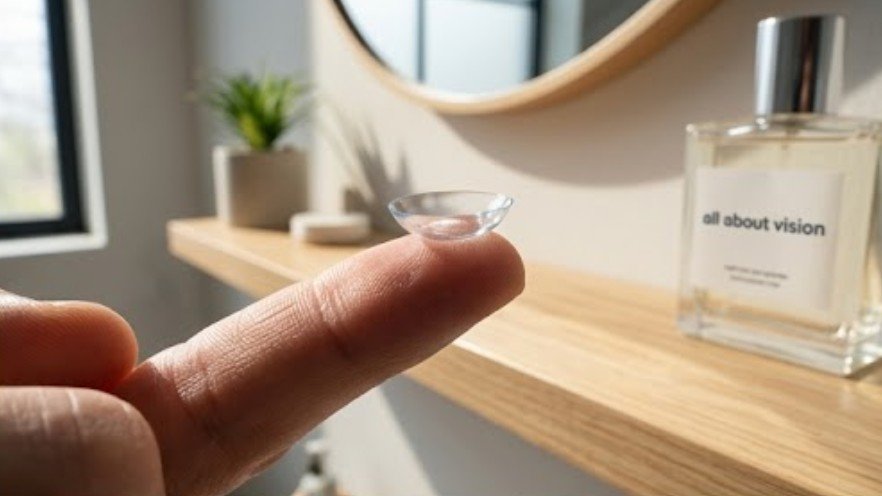
To determine if your contact lens is inside out, place it on the tip of your index finger and hold it up to eye level. A correctly oriented lens forms a clean, deep bowl shape, whereas an inside-out lens will resemble a soup bowl with the edges noticeably flaring outward.
Evaluating the geometry of your soft lens prevents friction against your sensitive inner eyelid. When the edges curve inward seamlessly, the lens adheres smoothly to your ocular surface. Flared rims rub against your delicate eye tissue, leading to redness and reflex tearing.
Four Reliable Tests for Proper Contact Orientation
For a more definitive answer, try these reliable tests to verify your soft contacts before placing them near your cornea.
Checking your prescription lenses systematically eliminates guesswork and keeps your morning routine running smoothly Using a combination of visual and physical checks guarantees that every lens is oriented correctly before insertion.
The Taco Test for Simple Folding Verification
The Taco Test: Place the lens in the center of your fingertip and gently squeeze it between your thumb and index finger as if you are folding it into a taco. If it is correctly oriented, the edges will curl inward. If it is inside out, the edges will resist bending inward or will flare out flat against your fingers.
This simple mechanical test relies on the structural tension built into medical-grade polymers. Correctly positioned lenses yield naturally to gentle pressure and fold symmetrically. Inverted lenses fight the squeeze, forcing the rims to bend awkwardly outward over your fingertips.
Always ensure your hands are freshly washed and completely dry before performing this check. Excess solution or wet fingertips can cause the lens to slide around, making it trickier to see how the edges flex.
Check the Laser Markings Under Bright Light

Check the Laser Markings: Many brands have tiny, visible laser markings on the edge (like “123”). Place the contact on your finger and look closely at the letters or numbers. If they appear backward, your lens is inside out.
Eye care manufacturers etch these microscopic numbers specifically to assist daily wearers. Hold the finger with the resting lens toward a bright light source or a plain white background to locate the numbers easily.
If you see “123” reading clearly from left to right, your contact is ready for placement. Seeing “321” backward indicates that the lens needs to be gently inverted and rinsed with fresh saline.
Inspect the Tint for Edge Color Intensity
Inspect the Tint: Many contact lenses feature a subtle blue or green handling tint. Look at the contact from above. If the edge appears pale, the lens is likely inside out.
Manufacturers apply these light tints to help wearers locate transparent lenses inside solution cases. The tint concentrated around the outer perimeter provides a clear visual signal regarding orientation.
When looking straight down into the cup of the lens, a vibrant, rich border confirms correct orientation. A dull, washed-out edge means the inverted polymer is hiding its colored side underneath.
Identifying Signs Your Contact Lens Is Reversed
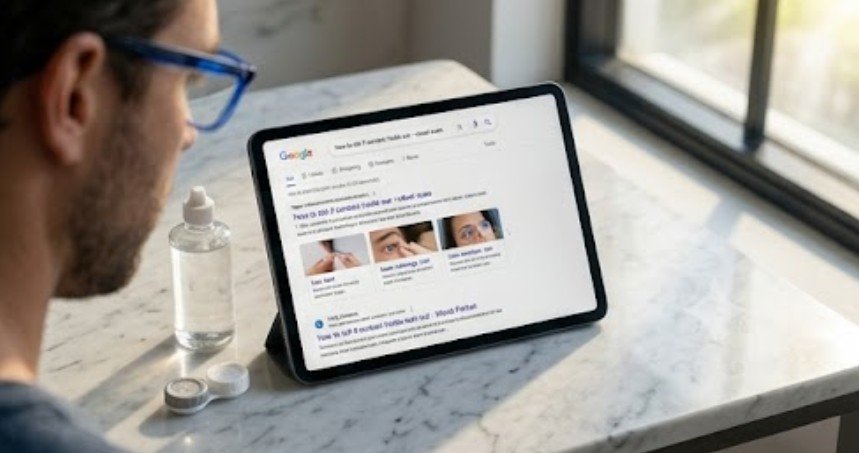
Recognizing the physical symptoms of an inverted lens helps you troubleshoot discomfort immediately.
Your cornea contains a high density of sensitive nerve endings that react quickly to improper lens placement. Listening to these physiological signals protects your eyes from unnecessary inflammation and irritation.
Managing Physical Discomfort and Foreign Object Sensations
An inverted contact lens sits loosely on your cornea because the flared edges prevent a snug natural seal. This improper alignment creates a persistent scratchy sensation every time you blink, mimicking a particle of dust trapped beneath the surface.
If your eye waters excessively right after placement, your body is attempting to flush out what it perceives as a foreign object. Removing the lens right away stops the tearing and prevents eyelid irritation.
Fixing Blurry Vision and Unstable Movement
Reversed contact lenses shift and slide out of place easily because they cannot grip the tear film correctly. Blinking causes an inverted lens to drift off-center toward the corners of your eye or float awkwardly across your sclera.
This continuous movement disrupts light refraction, causing fluctuating or blurry vision. Taking the lens out, flipping it, and rinsing it with a multipurpose solution quickly restores visual clarity.
Proper Cleaning and Safe Reinsertion Practices
Maintaining strict hygiene while flipping an inverted lens is essential for long-term corneal health.
Touching lenses repeatedly increases the risk of introducing bacteria into your eyes. Following a clean, disciplined handling routine keeps your vision sharp and your eyes free from infection.
Washing Hands and Using Solution Correctly
Always wash your hands thoroughly with mild soap and water before handling your lenses, then dry them using a lint-free towel. Place the inverted contact in your clean palm and apply a generous pool of sterile multipurpose solution.
Gently flip the lens right side out using the soft pad of your finger, taking care not to nick the delicate edge with a fingernail. Rinse the lens thoroughly with fresh solution to wash away any lint or debris before trying insertion again.
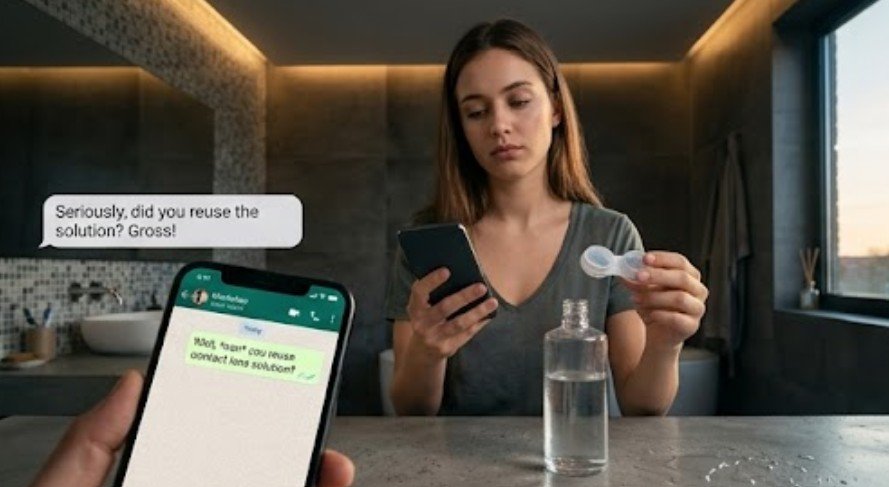
Always use a completely fresh pour, because understanding can you reuse contact lens solution is essential for preventing contamination when correcting and reinserting an inside-out lens.
Protecting Eyes from Tap Water Hazards
Never use tap water or saliva to rinse, lubricate, or flip an inverted contact lens under any circumstances. Tap water harbors dangerous microorganisms like Acanthamoeba that can cause severe corneal ulcers and permanent vision impairment.
Store and rinse your lenses exclusively with fresh, sterile contact lens solution recommended by your eye care professional.
Following guidance on how often to change a contact lens case also helps prevent biofilm buildup and keeps an inside-out lens from being reinserted after exposure to a contaminated container.
Replacing your lens storage case monthly further minimizes bacterial contamination risks.
Frequently Asked Questions
1. Would I know if my contact was inside out?
Yes, you will know almost immediately. An inverted contact feels scratchy, causes excess tearing, slides off center, and makes your vision look blurry every time you blink.
2. Will your vision be blurry if your contact is inside out?
Yes, your vision will likely be blurry. An inside-out lens cannot sit flat over your cornea, which prevents light from focusing properly through the optical center of the lens.
3. How to make sure your contact isn’t inside out?
Place the contact on your fingertip at eye level. A correctly oriented lens forms a deep U-shaped cup, while an inverted lens flares outward like a shallow soup bowl with rims.
4. What does an inside-out contact feel like?
It feels like an annoying eyelash, grit, or a piece of lint stuck under your eyelid. You will experience mild discomfort, rapid blinking, and watery eye irritation until removed.
Master How to Tell If Contact Inside Out for Happy Eyes
Mastering how to tell if contact inside out takes the stress out of your morning routine and keeps your eyes feeling fantastic. By consistently inspecting the side profile, using the taco test, checking laser markings, and watching for handling tints, you eliminate discomfort before it starts. Keep your hands clean, use sterile solutions, and enjoy comfortable, crystal-clear vision every single day.