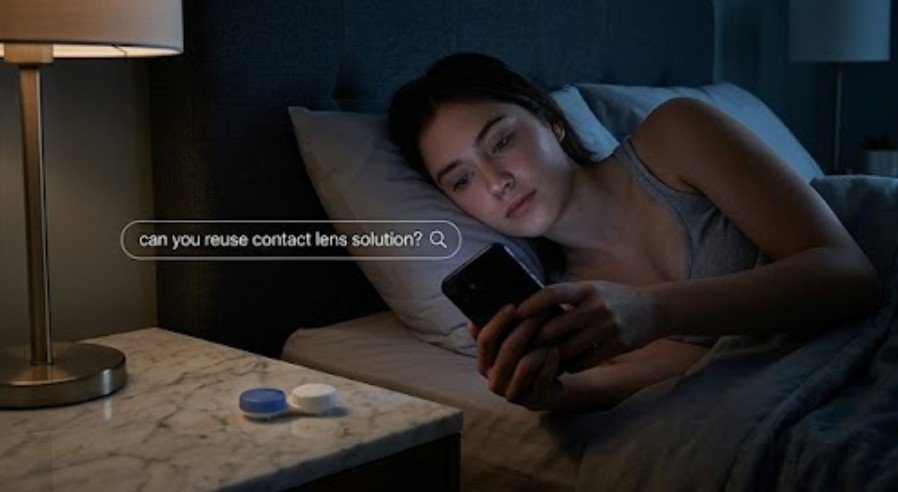
Saving money on daily essentials is always a great feeling. Stretching a bottle of multipurpose liquid might seem like a harmless shortcut for your morning routine. You might find yourself wondering if you can reuse a contact lens solution to save a quick trip to the store. My own experience taught me that cutting corners on eye health is never worth the risk.
We often forget how sensitive our corneas truly are. Using the same fluid multiple times introduces unwanted microscopic guests into your daily life. Let us explore the real reasons behind replacing that liquid every single day and keeping your vision completely clear.
Direct Answer To Reusing Or Topping Off Fluid
Keeping your eyes healthy starts with understanding the absolute basic rules of liquid replacement.
Emptying Your Case Completely
Leaving yesterday’s liquid in the plastic well is a recipe for disaster. You should never leave old moisture sitting around to collect airborne dust or bathroom humidity. Emptying the receptacle completely guarantees that no stagnant water remains to harm your delicate corneas.
My optometrist always reminds me to dump the remaining drops immediately after inserting my lenses. Flipping the plastic container upside down to air dry is a crucial step. This simple habit ensures that you always start with a pristine environment every single evening.
The Hidden Dangers Of Topping Off
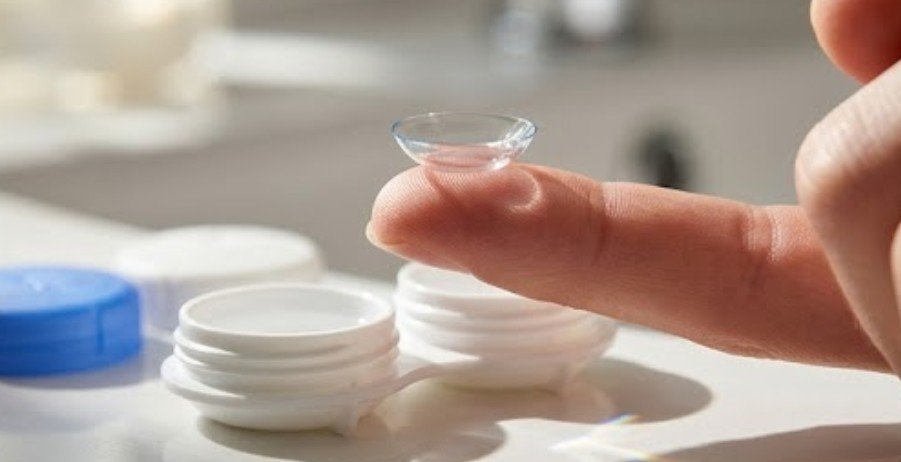
Adding a fresh squirt of liquid to old moisture is commonly known as topping off. This practice might seem economical but it severely compromises the chemical balance of your multipurpose cleaner. The new drops simply mix with the contaminated pool and lose their sterile properties immediately.
You should never top off your storage container under any circumstances. Mixing new chemical agents with depleted ones completely neutralizes the active disinfectants meant to protect your vision. Always start with a bone dry container and a completely fresh pour for maximum safety.
How Old Liquid Creates A Dangerous Breeding Ground
Understanding the microscopic world inside your storage container reveals the true dangers of poor hygiene.
Diluting The Essential Cleaning Power
Multipurpose liquids contain precise chemical agents designed to break down stubborn protein deposits and lipids. Once a lens soaks overnight, these active ingredients do their job and become entirely depleted. Reusing the fluid means your lenses are resting in a weakened state with zero remaining cleaning power.
The chemical balance shifts significantly after just one night of soaking your lenses. Without active disinfectants, the moisture cannot neutralize the daily grime collected from the environment. Your vision will become cloudy and uncomfortable because the liquid fails to perform its primary function.
Inviting Fungi And Bacteria Risks
Warm and damp bathroom environments provide the perfect setting for microscopic organisms to thrive rapidly. Old liquid serves as a welcoming home for fungi and aggressive bacterial strains to multiply overnight. These organisms form a sticky biofilm on the plastic walls that fresh drops simply cannot penetrate.
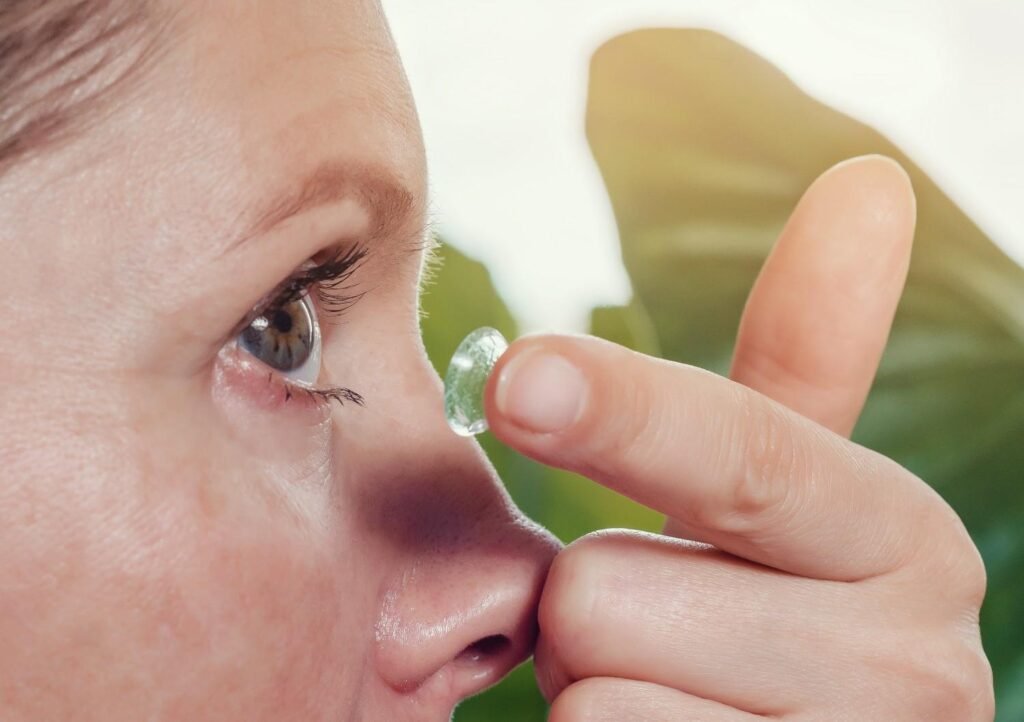
Microbes absolutely love stagnant pools of depleted chemical moisture. When you place a lens into this compromised environment, the pathogens attach themselves directly to the silicone hydrogel material. You are effectively transferring a concentrated colony of bacteria straight into your sensitive eyes.
Increasing The Risk Of Severe Eye Infections
Transferring bacteria onto your cornea dramatically increases your risk of painful ocular complications. Microbial keratitis is a common condition resulting directly from poor hygiene and contaminated storage cases. This severe infection causes intense redness, unbearable light sensitivity, and sharp pain throughout the day.
Ignoring these symptoms can lead to the rapid development of deep corneal ulcers. These painful sores require immediate medical intervention and heavy doses of antibiotic eye drops to heal properly. In the most severe cases, patients suffer from permanent scarring and irreversible vision loss.
How To Practice Safe Handling And Case Maintenance
Building a reliable daily routine is the easiest way to prevent complications and maintain crystal clear vision.
Executing The Daily Cleansing Routine
Washing your hands thoroughly with antibacterial soap is the first step in proper eye care. You must dry your fingers completely using a lint free towel to avoid transferring tap water onto your lenses. Tap water harbors dangerous parasites that can easily survive inside a sealed storage well.
Proper lens hygiene also makes removal easier and lowers the risk of dryness or adhesion, so every wearer should know how to remove a stuck contact lens without scratching the cornea or introducing bacteria.
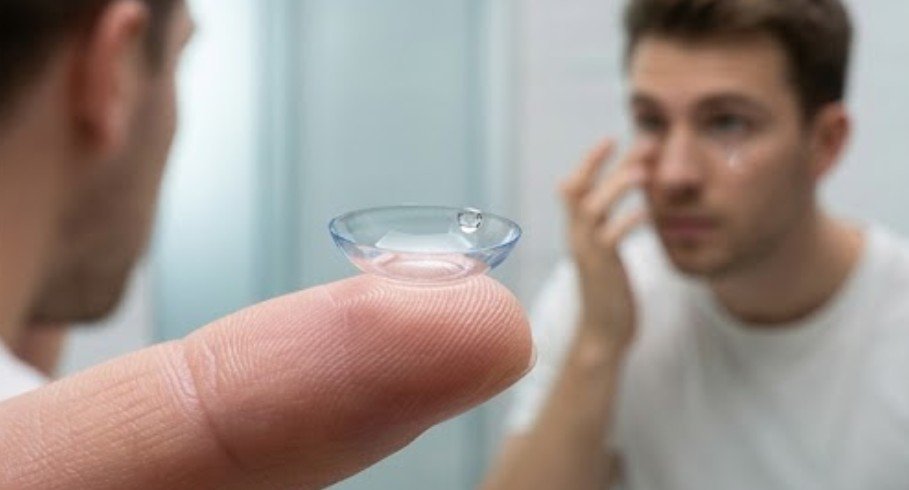
Knowing how to wash the lens itself is just as important as knowing can you reuse contact lens solution safely. Place the lens in your palm and gently rub it with fresh liquid for twenty seconds.
Following the correct steps for how to clean daily contacts helps remove surface debris, reduce irritation, and prevent contaminated lenses from returning to your eyes.
This mechanical friction removes stubborn proteins and environmental debris better than soaking alone.
Drying And Storing Your Gear Properly
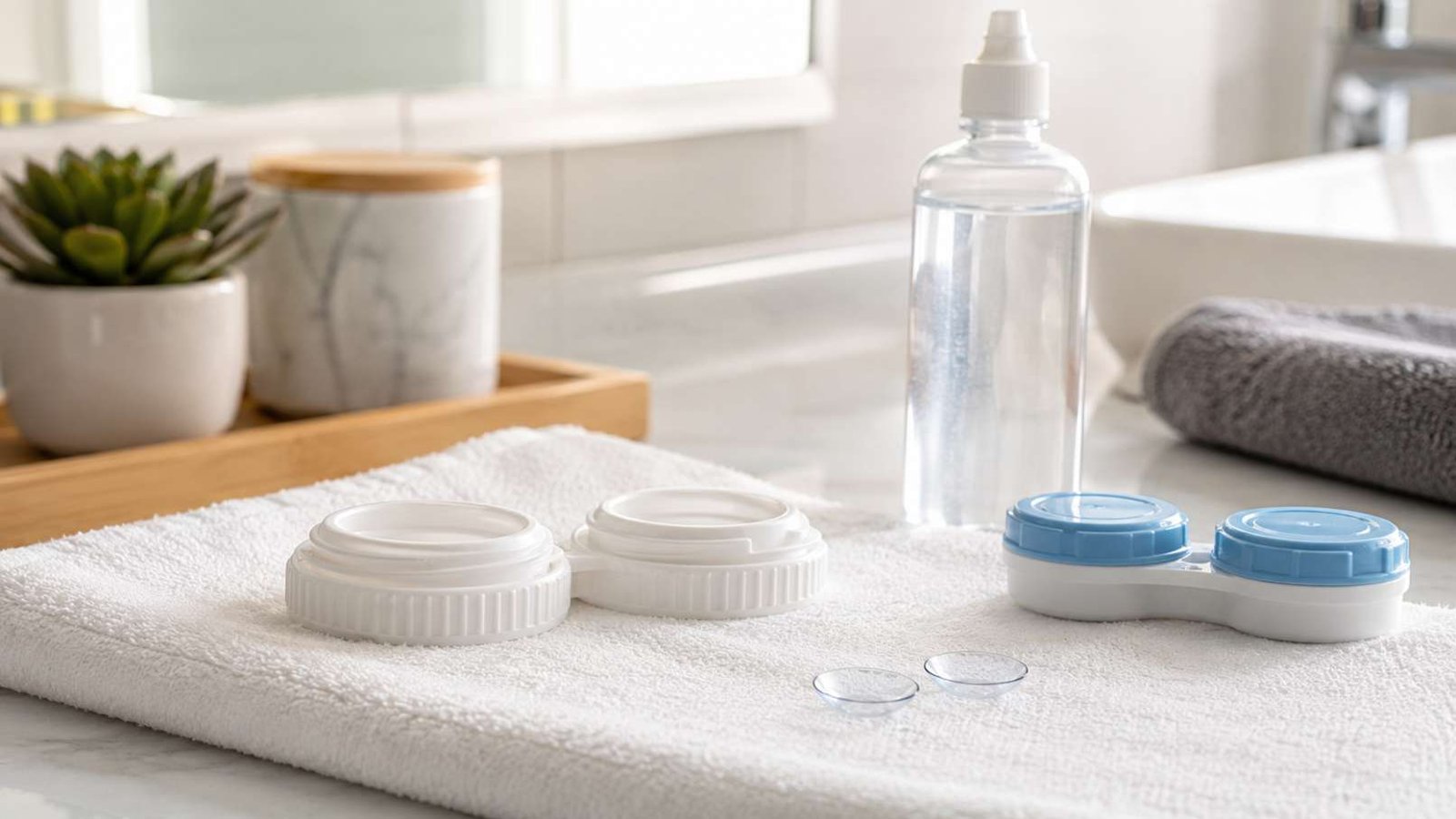
Proper maintenance extends beyond just the lenses and includes the physical plastic container as well. After emptying the morning fluid, rinse the empty wells using only your sterile saline or multipurpose spray. Never rinse the plastic with sink water because plumbing systems carry microscopic pathogens.
Place the freshly rinsed container face down on a clean paper towel on your bathroom counter. Allowing it to air dry completely throughout the day prevents any moisture from breeding new bacteria. A dry environment is incredibly hostile to fungal growth and keeps your equipment completely sterile.
Scheduling Routine Case Replacements
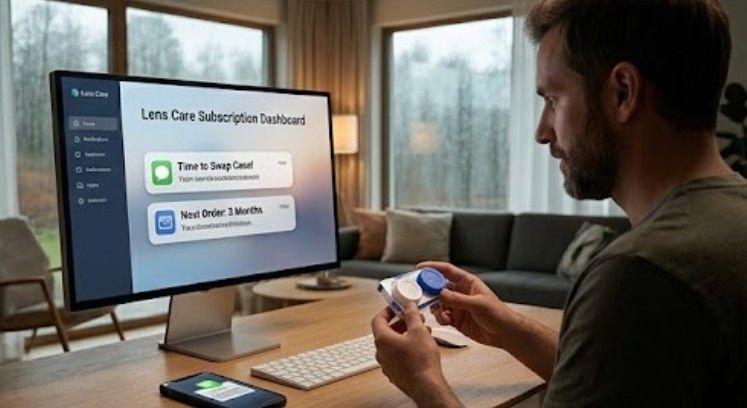
Even with perfect daily habits, microscopic biofilms eventually build up in the tiny crevices of the plastic. This invisible layer of bacteria resists regular rinsing and requires complete container replacement to eliminate entirely. Eye care professionals strongly recommend swapping your container for a brand new one every thirty to ninety days.
I like to buy a new container every time I purchase a fresh bottle of multipurpose cleaner. For more tips on safe handling and case maintenance, you can read the Alcon Contact Lens Solution Guide. Following a strict replacement schedule is the ultimate safeguard against persistent microbial threats.
Frequently Asked Questions
1. How many times can you reuse a contact solution?
The only acceptable answer is zero times. You cannot recycle the fluid under any circumstances because the chemical disinfectants lose all their power after a single overnight soaking session.
When people ask me if I can reuse contact lens solutions, I always remind them of the severe health risks. Reusing the fluid even once exposes your sensitive corneas to dangerous bacteria and uncomfortable daily irritation.
2. Can I use a 2 year old contact solution?
You should absolutely avoid using any eye care product that has passed its printed expiration date. A two year old bottle has lost its carefully balanced chemical stability and vital disinfecting properties completely.
Furthermore, the preservatives inside the bottle degrade over time and allow bacteria to bloom inside the plastic. Using expired liquids will cause severe stinging, allergic reactions, and potentially dangerous corneal infections.
3. What is the 3:1:1 rule for contacts?
The rule refers to the standard airport security guidelines for traveling with small liquid carry on items. It states that you can bring liquids in containers of 3.4 ounces or less securely inside your travel bag.
All of these small travel bottles must fit comfortably inside one single clear quart sized plastic bag. You can easily find travel sized multipurpose cleaners that perfectly meet these mandatory aviation security requirements.
4. Can you put contacts back in the same solution?
Putting your lenses back into a used pool of fluid is incredibly dangerous for your ocular health. The leftover moisture is already contaminated with dead cells, environmental dust, and neutralized chemical agents.
You must always pour out the old liquid and squeeze a completely fresh batch into the empty well. This guarantees that your lenses receive a sterile and effective chemical bath before their next use.
Keep Your Peepers Popping And Stop The Slop
Your vision is totally irreplaceable, so treating your daily routine with respect is highly necessary. The next time you find yourself wondering if you can reuse contact lens solution, remember the microscopic monsters waiting in the dark.
Ditching the old liquid keeps your eyes sparkling and your vision wonderfully crisp. Stay committed to fresh pours every single night and your eyes will definitely thank you for years to come.