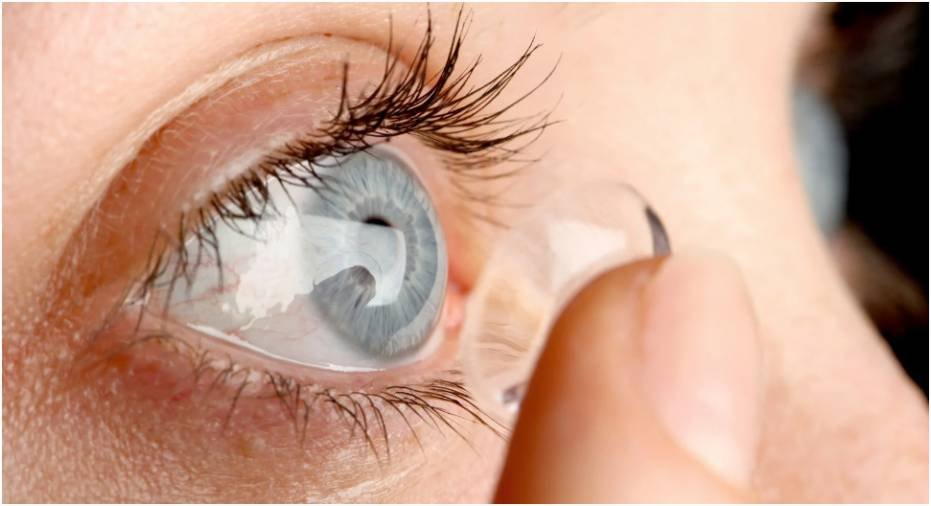
I used to judge contact-lens safety by the clock. That approach misses the real issue. When is it safe to wear contacts after an eye exam depends on the drops used, the condition of the cornea, and how the eye feels afterward.
After a basic exam, lenses may be safe immediately. After dilation, fluorescein dye, numbing drops, or a corneal finding, waiting may be safer. Your examining clinician’s instructions should always take priority.
When Is It Safe To Wear Contacts After An Eye Exam by Test Type?
There is no universal waiting period. I divide appointments into four common situations before putting my lenses back in.
Routine Exam Without Diagnostic Drops
Contacts can usually be reinserted immediately after visual-acuity testing, refraction, and a standard eye-health check. That advice assumes no diagnostic drops were used and the doctor found no irritation, injury, or infection.
I still wait if my eyes feel dry, gritty, or unusually sensitive. A lens should settle comfortably. Burning, scratching, or sudden blur means the eye is not ready.
For a simple appointment, when is it safe to wear contacts after an eye exam often means as soon as the clinician confirms the ocular surface looks healthy. That is the simplest answer to when is it safe to wear contacts after an eye exam following a basic visit.
Dilated Eye Exam
Dilating drops enlarge the pupils so the doctor can examine the retina and other structures inside the eye. Tropicamide, a commonly used medicine, can cause near-vision blur and light sensitivity for several hours. Some people need longer to recover.
The US prescribing information for Mydriacyl, a tropicamide product, instructs patients to remove their contacts before the drops are applied. The medicine usually produces dilation within 15 to 30 minutes, while complete recovery can occasionally take up to 24 hours.
The label does not provide one reinsertion time for everyone. I use a cautious rule: wait until the examination ends, surface stinging stops, and the clinician approves contact-lens wear. A clinic may also recommend a short waiting period after the final drop.
Contacts will not cancel the effects of dilation. They will not restore normal near focusing or remove light sensitivity. Sunglasses may still be needed, and driving may remain difficult while vision is affected.
Therefore, when is it safe to wear contacts after an eye exam involving dilation is not the same as asking when vision will return to normal.
Fluorescein Dye or Eye-Pressure Testing
Fluorescein is an orange diagnostic dye used to reveal scratches, infections, severe dryness, and other corneal problems. It can also support certain eye-pressure tests.
During the test, the dye coats the tear film. Damaged areas appear green when the doctor examines the eye under blue light. Contact lenses must be removed before fluorescein testing.
Soft lenses can absorb fluorescein and become discolored. Contact-lens research also notes that the dye may enter the lens material.
I would wait until the clinic confirms the dye has cleared. Some clinicians may recommend waiting one to two hours, particularly before inserting reusable soft lenses. Because tear clearance varies, the advice given during the appointment is more reliable than a universal countdown.
A fresh daily disposable may reduce the chance of staining an older lens. However, it does not make an irritated or scratched cornea safe.
When dye was used, when is it safe to wear contacts after an eye exam depends partly on why the test was performed and what the doctor found.
Numbing Drops or a Corneal Problem
Eye-pressure testing and short corneal procedures may involve proparacaine or another topical anesthetic. Proparacaine acts quickly and can numb the eye for approximately 10 to 20 minutes.
I avoid inserting contacts until normal sensation returns. Numbness can hide trapped debris, a folded lens, or accidental scratching. Waiting allows the eye to warn me if something feels wrong.
The situation changes if the exam reveals:
- A corneal abrasion
- An eye infection
- A corneal ulcer
- Significant inflammation
- Severe dry eye
- An embedded foreign object
In these situations, contacts may need to remain out until the eye doctor confirms healing. The usual post-exam waiting period no longer applies.
My Three-Check Rule Before Reinserting Contacts
Whenever I ask when is it safe to wear contacts after an eye exam, I use my “drops, surface, sensation” check. It provides more useful information than watching the clock alone.
Check the Drops
I ask which drops were used and whether they contained dilation medicine, fluorescein, anesthetic, or another treatment.
Before leaving the office, I ask one direct question: “Exactly when can I put my contacts back in?”
This small step prevents uncertainty later.
Check the Corneal Surface
I confirm whether the doctor saw staining, scratches, inflammation, infection, or significant dryness.
A contact lens rests over the tear film and cornea. Surface health matters more than the number of minutes since the appointment. If the doctor wants the surface to recover, I choose glasses.
Check the Sensation
I look for redness, burning, grittiness, excessive tearing, unusual discharge, or unexpected light sensitivity. I also make sure numbness has fully resolved after anesthetic drops.
If something feels wrong, I do not insert a lens to “test” the eye. I leave the contact out and call the clinic.
These checks provide a practical answer to when is it safe to wear contacts after an eye exam without pretending every appointment is identical.
Why Clear Vision Does Not Prove the Eye Is Ready
Vision may feel normal while the cornea remains irritated or numb. The reverse can also happen after dilation. The eye may be healthy enough for contacts, yet near vision remains blurry because the pupil and focusing system are still affected.
Consider someone who sees clearly 30 minutes after pressure testing but still has reduced corneal sensation. The clock suggests the eye is ready. The sensation check says to wait.
That small distinction may prevent unnecessary friction or accidental injury.
For this reason, when is it safe to wear contacts after an eye exam should be judged by surface health and sensation, not visual sharpness alone.
How I Reinsert Contacts Safely
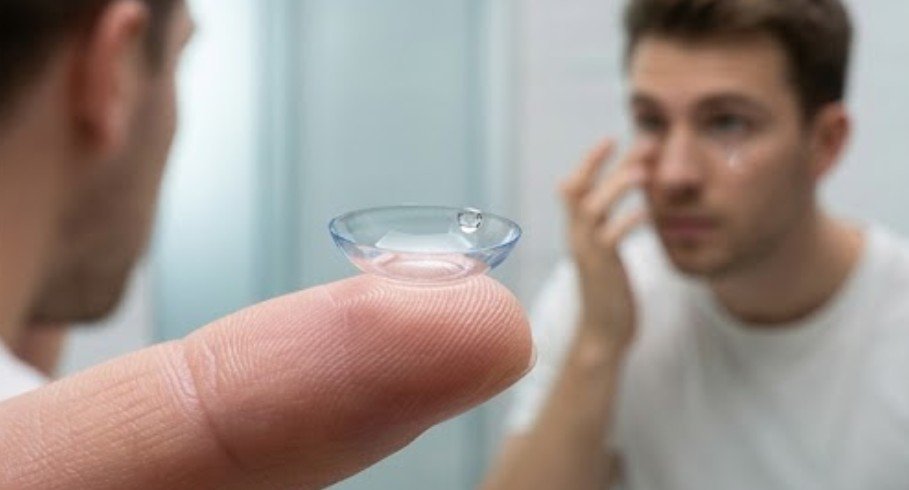
I wash and dry my hands thoroughly before touching the lenses. Damp hands can transfer water and microorganisms onto a contact lens.
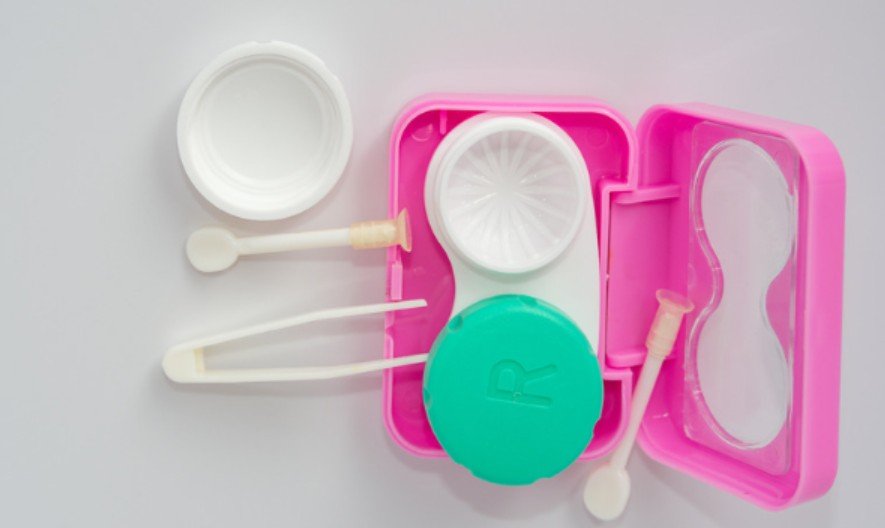
For daily disposables, I open a fresh pair. For reusable contacts, I use the prescribed cleaning and disinfection system. I never rinse lenses with tap water.
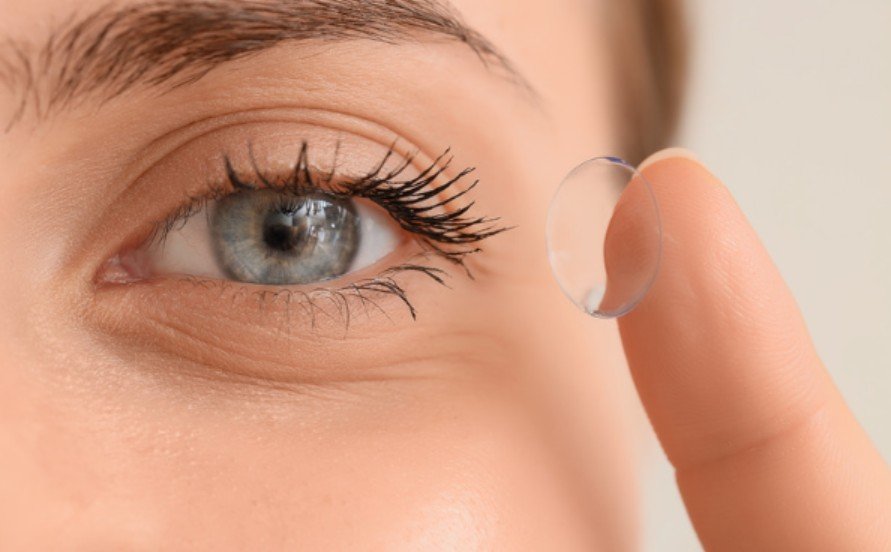
I insert one lens and assess its comfort before adding the second. Mild awareness may settle quickly. Pain, burning, persistent blur, or a foreign-body sensation requires immediate removal.
I also carry backup glasses to appointments. That simple habit removes the pressure to wear contacts before my eyes are ready.
Deciding when is it safe to wear contacts after an eye exam becomes much easier when glasses are already available.
When to Leave Contacts Out and Call the Clinic
Remove the lenses and contact an eye care professional if you experience:
- Eye pain
- Unusual redness
- Sudden blurred vision
- Significant light sensitivity
- Excessive tearing
- Swelling or discharge
The CDC, FDA, and National Eye Institute advise contact-lens wearers to remove their lenses and seek professional advice when these warning signs appear.
Do not reinsert the same lens to see whether the symptoms return. Leave it out unless the clinic gives different instructions.
Seek urgent medical care for severe pain, rapid vision loss, worsening redness, or symptoms that continue after lens removal.
Frequently Asked Questions
1. Can I wear contacts immediately after a routine eye exam?
Usually, yes, provided no diagnostic drops were used and the doctor found no corneal irritation, injury, or infection.
2. When is it safe to wear contacts after an eye exam with dilation?
Wait until the examination is complete, follow the clinic’s timing, and make sure any surface burning or stinging has stopped.
3. Can fluorescein dye stain soft contact lenses?
Yes. Soft lenses can absorb the dye, so wait until it clears and your eye care provider approves reinsertion.
4. Can I wear contacts after an eye-pressure test?
Possibly, but wait until any anesthetic numbness has fully worn off and the eye feels normal.
Your Eyes Get the Final Vote
When is it safe to wear contacts after an eye exam? Immediate reinsertion may be reasonable after a simple appointment. Dilation, fluorescein, anesthetic drops, and corneal findings can change the answer.
My rule is simple: check the drops, check the surface, and trust the sensation. When the eye says “not yet,” glasses win the day.