
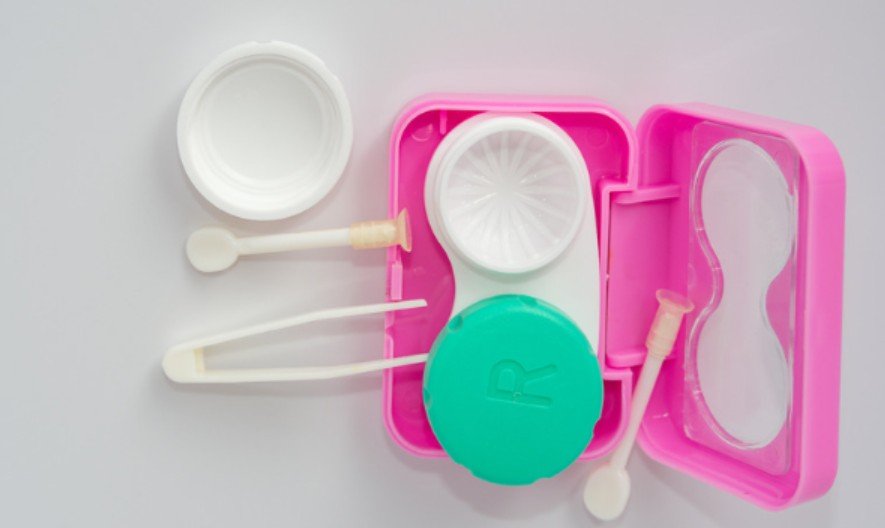
When I first explored contact lenses, I assumed the choice depended mainly on comfort. However, lens material, visual sharpness, prescription complexity, maintenance, replacement frequency, and lifestyle can all affect the final decision.
Comparing soft contact lenses vs rigid gas permeable lenses reveals that neither option is automatically better for everyone. Soft lenses offer immediate flexibility and convenience, while rigid gas permeable lenses can provide exceptional clarity and durability for suitable wearers.
Understanding how each type works can help you have a more productive conversation with your optometrist and choose lenses that match your eyes, routine, and visual needs.
What Are Soft Contact Lenses?
Soft contact lenses are made from flexible materials that absorb water and conform closely to the surface of the eye. Modern designs commonly use hydrogel or silicone hydrogel materials.
Silicone hydrogel lenses generally allow more oxygen to reach the cornea than many traditional hydrogel designs. However, oxygen transmission varies between products, so material alone should not determine your choice.
Soft lenses are available in several replacement schedules, including:
- Daily disposable lenses
- Two-week replacement lenses
- Monthly replacement lenses
- Extended-wear lenses approved for limited overnight use
They can also correct common vision problems such as nearsightedness, farsightedness, astigmatism, and presbyopia.
Advantages of Soft Lenses
Soft lenses usually provide excellent initial comfort. Their flexible construction helps them settle quickly on the eye, making them popular with beginners and occasional wearers.
They are also widely available in daily disposable formats. A fresh pair each day can simplify maintenance because there is no need to clean or store the lenses after removal.
Soft lenses tend to remain stable during running, fitness activities, and other forms of physical movement. Toric soft lenses are available for astigmatism, while multifocal designs may help people who need correction at different distances.
Limitations of Soft Lenses
Soft lenses can absorb oils, cosmetics, proteins, and environmental particles. Deposits may reduce comfort or clarity if reusable lenses are not cleaned and replaced correctly.
Their flexible material can also fold, tear, or become difficult to handle. Although many soft lenses provide clear vision, some wearers with irregular corneas or complex astigmatism may obtain more precise correction from a rigid design.
What Are Rigid Gas Permeable Lenses?
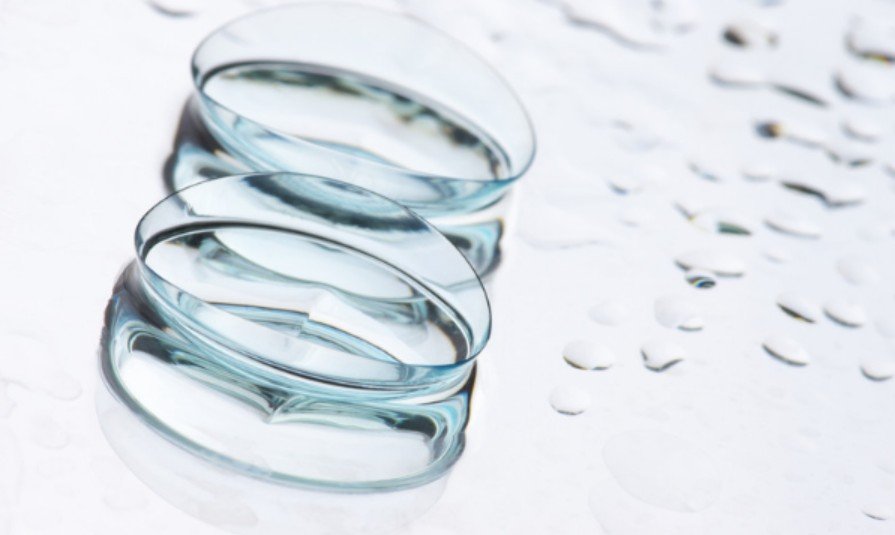
Rigid gas permeable lenses, often called RGP or GP lenses, are smaller and firmer than soft lenses. Unlike old-fashioned hard lenses made from materials that blocked oxygen, modern RGP lenses are manufactured from oxygen-permeable materials.
Because they retain their shape on the eye, they create a smooth optical surface. The tear layer between the lens and cornea can help compensate for certain irregularities in the eye’s natural shape.
Advantages of RGP Lenses
RGP lenses are known for crisp and consistent vision. They may be recommended for people with significant astigmatism, keratoconus symptoms, irregular corneas, or prescriptions that are difficult to correct adequately with standard soft lenses.
Their firm surface is generally more resistant to tearing and may accumulate fewer deposits than some soft materials. With careful handling and an unchanged prescription, a pair may last considerably longer than frequently replaced soft lenses.
Rigid lenses are also easier to handle for some wearers because they maintain their shape during insertion and removal.
Limitations of RGP Lenses
The most noticeable drawback is the adaptation period. RGP lenses can feel unfamiliar at first because the eyelids move over their edges when blinking. Comfortable wear may require consistent use over several days or weeks.
They are also smaller than soft lenses and can sometimes shift during forceful movement. Dust or debris trapped beneath a rigid lens may cause sudden discomfort and require immediate removal and cleaning.
Which Type Offers Better Comfort?
Soft lenses generally win for immediate comfort. Their flexible material covers more of the eye and tends to produce less initial awareness.
RGP comfort is different rather than necessarily poor. Wearers often become less aware of the lenses after completing the adaptation period. However, irregular or occasional use can make adaptation more difficult because the eyelids may need to readjust each time.
End-of-day comfort also depends on tear quality, lens fit, material, environment, screen use, and wearing time. Someone experiencing dryness should not assume that switching materials alone will solve the problem. An eye-care professional may need to investigate the underlying cause.
Which Lenses Provide Sharper Vision?
Both types can provide excellent vision when fitted correctly. Soft lenses are often effective for routine prescriptions and are available in specialized toric and multifocal designs.
RGP lenses can offer an advantage when the corneal surface is irregular. Because a rigid lens maintains its shape, it can form a more uniform refractive surface over the cornea. This may produce sharper and more stable vision for certain cases of astigmatism or keratoconus.
The best visual result still depends on the prescription, lens design, fitting accuracy, tear film, and individual eye health.
Cost, Replacement and Long-Term Value

Soft lenses can have a lower initial fitting cost, but their ongoing expense depends on the replacement schedule. Daily disposables require a new pair every day, while reusable lenses need cleaning solution, storage cases, and scheduled replacement.
RGP lenses may involve a higher fitting cost because additional measurements and follow-up visits can be needed. However, their longer usable life may make them economical over time.
Cost comparisons should include:
- Professional fitting and examination fees
- Replacement frequency
- Cleaning and storage products
- Lost, damaged, or torn lenses
- Follow-up appointments
- Specialized prescription requirements
Choosing solely by the price of one box can therefore be misleading.
Cleaning and Safe Lens Care
Both lens types require clean hands, correct handling, and strict adherence to the prescribed replacement or care schedule.
Never use tap water, saliva, or homemade saline to clean contact lenses. Water can expose the eyes to harmful microorganisms. Reusable lenses should be rubbed, rinsed, disinfected, and stored with products approved for that specific lens type.
Lens cases should also be cleaned and replaced regularly. Unless a qualified professional has prescribed overnight use, lenses should be removed before sleeping.
Pain, redness, discharge, light sensitivity, sudden blurred vision, or persistent discomfort requires prompt lens removal and professional assessment.
Which Option Fits Your Lifestyle?
Soft lenses may be more suitable when you:
- Want fast adaptation
- Wear lenses occasionally
- Prefer daily disposables
- Participate in active sports
- Want widely available prescription options
RGP lenses may deserve consideration when you:
- Prioritize highly precise vision
- Have an irregular cornea
- Have keratoconus or complex astigmatism
- Can commit to a gradual adaptation period
- Prefer a durable reusable lens
Hybrid and scleral lenses may offer additional choices when neither conventional option provides the desired comfort or correction.
Frequently Asked Questions
1. Are RGP lenses healthier than soft lenses?
Neither type is universally healthier; safety depends on professional fitting, oxygen transmission, hygiene, wearing time, replacement practices, and overall eye health.
2. Can RGP lenses correct astigmatism?
Yes. Their firm optical surface can provide stable correction for many people with regular or irregular astigmatism.
3. How long does it take to adapt to RGP lenses?
Some wearers adjust within several days, while others need a few weeks of consistent wear.
4. Who wins when comparing soft contact lenses vs rigid gas permeable lenses?
Soft lenses often lead in immediate comfort and convenience, while RGP lenses may offer better durability and sharper vision for complex prescriptions.
Making the Right Choice
After comparing the options, I would never choose a lens based only on comfort claims, price, or online recommendations. The condition of the cornea, tear film, prescription, wearing habits, work environment, and willingness to follow a care routine all matter.
Soft lenses may be ideal for convenience, rapid adaptation, and active lifestyles. RGP lenses may be more rewarding for wearers who need precise correction and are prepared for an adjustment period. A comprehensive eye examination and professional fitting remain the safest ways to identify the lens that delivers dependable vision without compromising eye health.