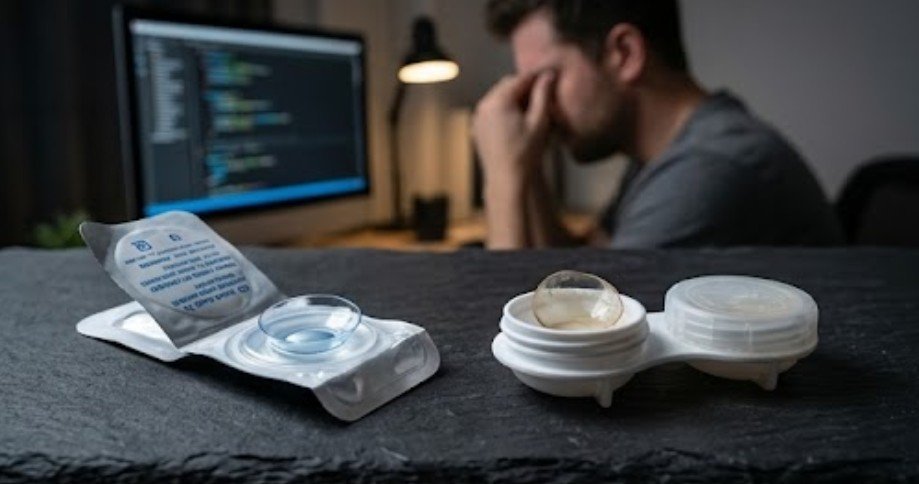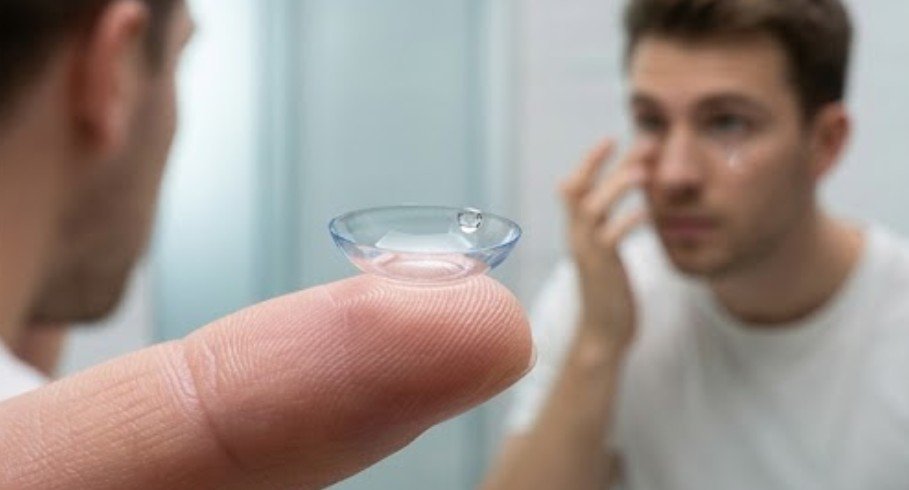

I know how frustrating it can be to insert fresh contacts in the morning only to experience grittiness, burning, or blurred vision a few hours later. Choosing monthly contact lenses for people with dry eyes is not simply about selecting the product with the highest water percentage. Comfort depends on the lens material, moisture retention, oxygen flow, fit, cleaning system, replacement habits, and the underlying cause of dryness.
Monthly lenses can work well when they are professionally fitted and properly maintained. However, persistent discomfort is not something anyone should tolerate. An eye-care professional can determine whether symptoms are caused by dry-eye disease, lens deposits, allergies, screen habits, cleaning-solution sensitivity, or an unsuitable lens design.
Can People With Dry Eyes Wear Monthly Contacts?
Yes, but suitability varies considerably. Monthly contacts are reusable, meaning they must remain comfortable after repeated handling, cleaning, disinfection, and exposure to proteins and oils in the tear film.
A well-fitted monthly lens may provide stable vision and comfortable wear throughout the day. A poorly fitted lens can move excessively, trap debris, create friction, or dry unevenly. People with more significant symptoms may be advised to use daily disposable contacts because they begin each day with a fresh, deposit-free lens.
The best replacement schedule depends on symptom severity, wearing frequency, prescription requirements, budget, lifestyle, and the wearer’s ability to follow a consistent cleaning routine.
What Makes a Monthly Contact Better for Dry Eyes?
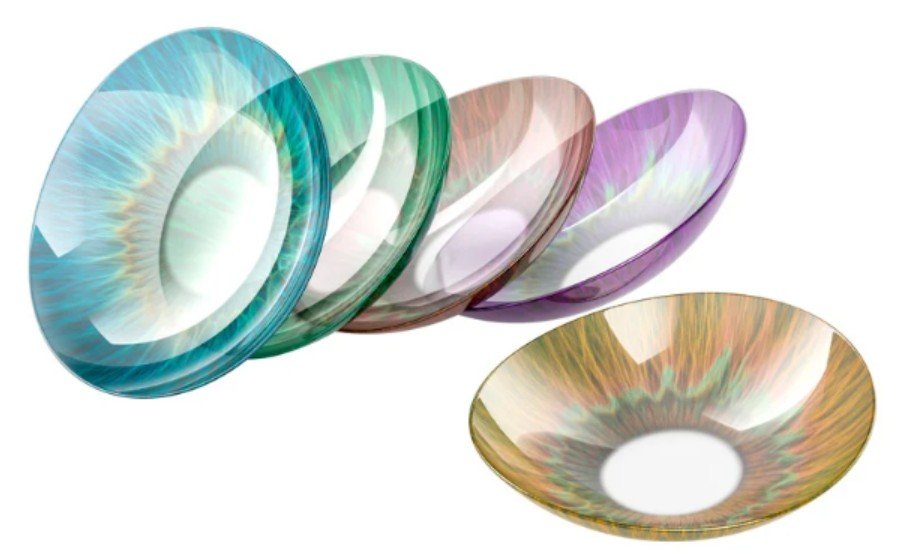
Silicone Hydrogel and Oxygen Permeability
Many modern monthly contacts use silicone hydrogel, which allows more oxygen to reach the cornea than traditional hydrogel materials. Good oxygen therapy supports eye health, particularly during long wearing periods.
However, high oxygen permeability does not automatically guarantee comfort. The lens surface must also remain wet and interact effectively with the wearer’s tear film.
Moisture Retention and Surface Wettability
A comfortable lens should allow tears to spread evenly across its surface. Some monthly products use wetting agents, water-gradient surfaces, or moisture-retaining technologies designed to reduce friction during blinking.
Branded moisture claims should not be the only deciding factor. Tear quality, eyelid health, blinking patterns, environmental conditions, and lens fit can make the same product comfortable for one person and irritating for another.
Water Content Is Not Everything
High water content may appear ideal for dryness, but a higher percentage does not always provide longer-lasting comfort. Some high-water lenses can lose moisture during wear and draw water from the tear film.
A list of soft contact lens materials can help wearers compare conventional hydrogels with lower-water silicone hydrogel options, which may remain more stable for certain eyes. Material type, surface treatment, oxygen transmission, deposit resistance, and fitting results are usually more informative than water content alone.
Resistance to Deposits
Proteins, oils, cosmetics, allergens, and environmental particles can accumulate on reusable lenses. These deposits may affect surface wettability, increase friction, and explain why contacts feel comfortable during the first week but irritating toward the end of the month.
Proper rubbing, rinsing, disinfection, storage, and timely replacement are therefore essential parts of maintaining comfort.
Monthly Lens Options Commonly Considered for Dryness
Biofinity is a silicone hydrogel lens family available in standard, toric, and multifocal designs. Biofinity Energys is designed with frequent digital-device users in mind.
TOTAL30 uses a water-gradient surface intended to create a highly hydrated outer layer. AIR OPTIX plus HydraGlyde combines silicone hydrogel with technologies focused on moisture retention and deposit resistance.
Bausch + Lomb ULTRA is another monthly option associated with moisture retention and prolonged screen use. ACUVUE VITA uses silicone hydrogel, while Proclear lenses may suit wearers whose practitioners recommend a moisture-focused hydrogel material.
These products are starting points for a professional discussion, not interchangeable recommendations. Contact-lens prescriptions specify a brand and design because base curve, diameter, edge profile, material, and movement can affect both comfort and visual clarity.
Monthly Versus Daily Contacts for Dry Eyes
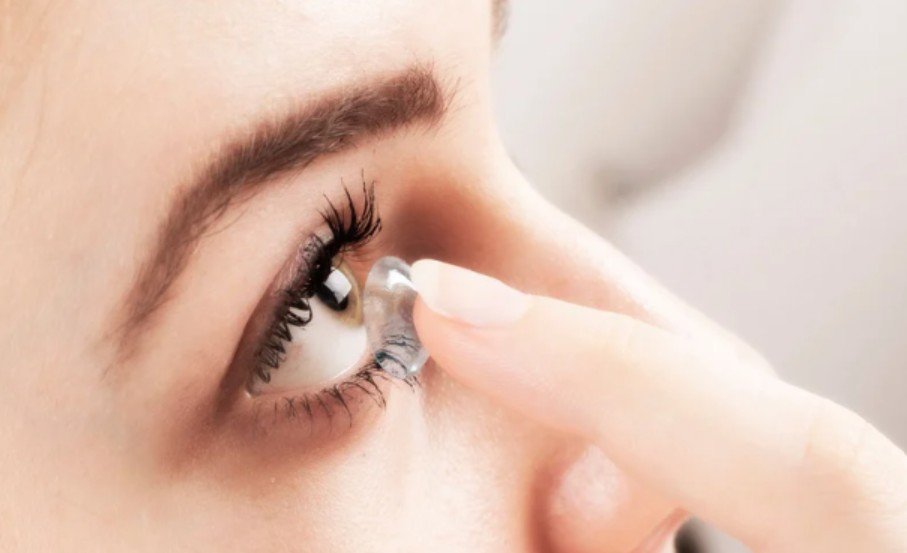
Daily disposable contacts provide a clean lens every morning. They eliminate storage cases and disinfecting solutions, which may help people affected by deposits or solution preservatives.
People considering a switch may find daily disposable contact lenses for first time wearers easier to manage because they eliminate nightly cleaning, storage cases, and deposit buildup.
Monthly lenses may be more economical for full-time wearers and can offer numerous toric and multifocal prescription options. Their main disadvantage is the need for disciplined nightly care. Comfort may also decline when lenses accumulate deposits or are worn beyond their replacement date.
When comparing daily lenses with monthly contact lenses for people with dry eyes, consider wearing frequency, total cost, solution sensitivity, comfort near the end of the replacement cycle, prescription complexity, and willingness to follow the required routine.
Why Monthly Contacts May Feel Dry After Two Weeks
A gradual decline in comfort usually has an identifiable cause. Common reasons include deposit buildup, incomplete cleaning, topping off old solution, an aging storage case, reduced blinking during screen use, dry indoor air, allergies, or delayed replacement.
Changes in medication, hormones, sleep, hydration, eyelid health, or natural remedies for dry ice can also affect comfort. Replacing contacts early may provide temporary relief, but recurring symptoms should be investigated rather than managed through repeated trial and error.
How to Keep Monthly Contacts Comfortable
Follow the Replacement Schedule
“Monthly” does not necessarily mean 30 separate wears. The replacement period normally begins when the blister pack is opened. Record the opening date and replace the contacts as prescribed, even when they still appear clear.
Use a Consistent Cleaning Routine
Wash and completely dry your hands before handling contacts. Rub and rinse the lenses when directed, use fresh disinfecting solution every night, and never add new solution to liquid already in the case.
Contacts should never be exposed to tap water, bottled water, saliva, or homemade saline. Water can carry microorganisms capable of causing serious eye infections.
Reduce Screen-Related Discomfort
Concentrated screen use can reduce the frequency and completeness of blinking. Take regular visual breaks, blink fully several times, keep screens slightly below eye level, and avoid directing fans or air-conditioning vents toward your face.
Only use rewetting drops approved for contact-lens wear. Standard redness-relief drops may not be suitable while contacts are in the eyes.
Recognise Warning Signs
Remove contacts if you experience substantial pain, persistent redness, swelling, discharge, sudden blurred vision, light sensitivity, or symptoms that continue after lens removal. Seek prompt professional advice rather than reinserting the contacts.
Learning the common contact lens infection symptoms can help you distinguish temporary dryness from a potentially serious problem that requires urgent professional care.
Frequently Asked Questions
1. Are monthly contact lenses for people with dry eyes safe?
They can be safe when professionally fitted, replaced on schedule, and cleaned correctly, but persistent symptoms require an eye examination.
2. Are low-water contacts always better for dry eyes?
No. Material, surface wettability, oxygen transmission, fit, deposit resistance, and tear-film quality are also important.
3. Why do my monthly contacts feel dry near the end of the month?
Protein and oil deposits, care mistakes, environmental conditions, reduced blinking, or an unsuitable lens may reduce comfort over time.
4. Can I switch to another monthly contact brand myself?
No. Brands vary in material, diameter, curve, movement, and prescription design, so any change should be approved by an eye-care professional.
A More Comfortable Way Forward
I would not choose a reusable contact lens based on water percentage or marketing language alone. The most comfortable option is the one that matches the wearer’s prescription, eye shape, tear film, daily environment, and care habits.
Monthly contacts can provide clear vision, convenience, and good value, but comfort should remain reasonably consistent throughout the replacement cycle. When dryness repeatedly interrupts work, driving, reading, or screen use, I believe the right response is a professional reassessment—not simply another bottle of drops. A careful fitting and an honest review of wearing habits can make the difference between enduring contacts and wearing them confidently.