Looking at your contact lens case at the end of a long, exhausting workday usually brings one major question to mind: how long can you wear contacts safely without irritating your eyes? Wearing lenses offers incredible freedom from heavy frames, but pushing their daily wear limits can quickly turn crystal-clear vision into a dry, scratchy nightmare.
Key Takeaways
- Daily Wear Limit: Standard soft contact lenses can be worn safely for a maximum of 12 to 16 hours per day.
- No Sleeping: Wearing standard lenses overnight drastically increases your risk of corneal ulcers and severe bacterial infections.
- Calendar Expiration: Monthly lenses expire 30 days after opening, regardless of total wears.
- Eye Breaks: Following a 4-to-1 rule helps restore essential oxygen and hydration to your delicate ocular surface.
- Listen to Symptoms: Remove your lenses immediately if you notice redness, dryness, or persistent irritation.
Understanding How To Keep Your Eyes Happy
Let’s face it: treating your eyes like indestructible superhero lenses is a risky game. Knowing how long can you wear contacts is the ultimate superpower for preventing mysterious red eyes on date night or during big work presentations.
Your eyes love oxygen just as much as your lungs do. Giving them proper breathing room keeps your vision crisp, white, and completely irritation-free all day long.
Maximum Wear Time by Lens Type
Understanding safe wear limits as per various contact lens type requires looking at specific lens materials and manufacturer design schedules.
Daily Disposables Schedule
Daily disposable contact lenses are designed specifically for single-use application. You can safely wear these light, comfortable lenses for a maximum of 12 to 14 hours during the day before throwing them away.
Because they are extremely thin, daily disposables tend to lose moisture toward the end of the day. You must throw them away every night and start with a fresh pair the next morning.
Bi-Weekly and Monthly Options
Bi-weekly and monthly contact lenses offer a maximum daily wear limit of 14 to 16 hours. These reusable options require thorough daily cleaning and overnight storage in fresh multi-purpose contact lens solution.
It is crucial to track calendar days rather than active wear days. Bi-weekly lenses must be replaced after 14 days, and monthlies after 30 days, even if you only wore them a few times.
Extended Wear Lenses
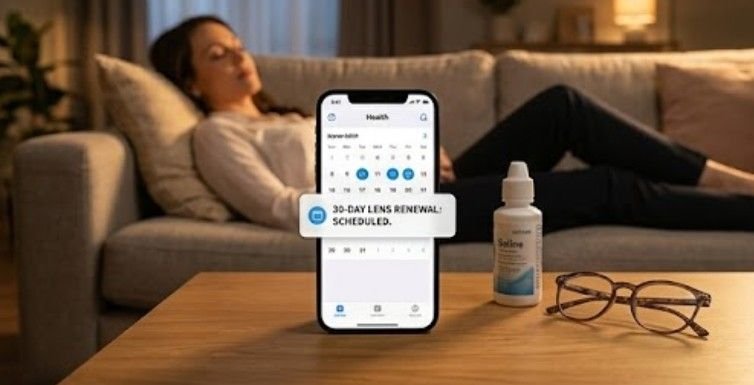
Extended wear contacts are crafted from specialty silicone hydrogel materials that allow exceptionally high oxygen transmission. Certain approved brands can be worn continuously for 7 to 30 days, including overnight sleep.
These advanced lenses strictly require an eye doctor’s explicit prescription and close clinical supervision. Never attempt overnight wear unless your optometrist has verified that your eyes can handle it safely.
Important Safety Rules for Every Lens Wearer
Protecting your vision requires following a few non-negotiable health guidelines every time you insert your lenses.
Never Sleep in Standard Lenses
Closing your eyes with standard lenses in place cuts off vital atmospheric oxygen to your corneas. This dark, warm environment dramatically increases your risk of corneal ulcers and severe bacterial infections like microbial keratitis.
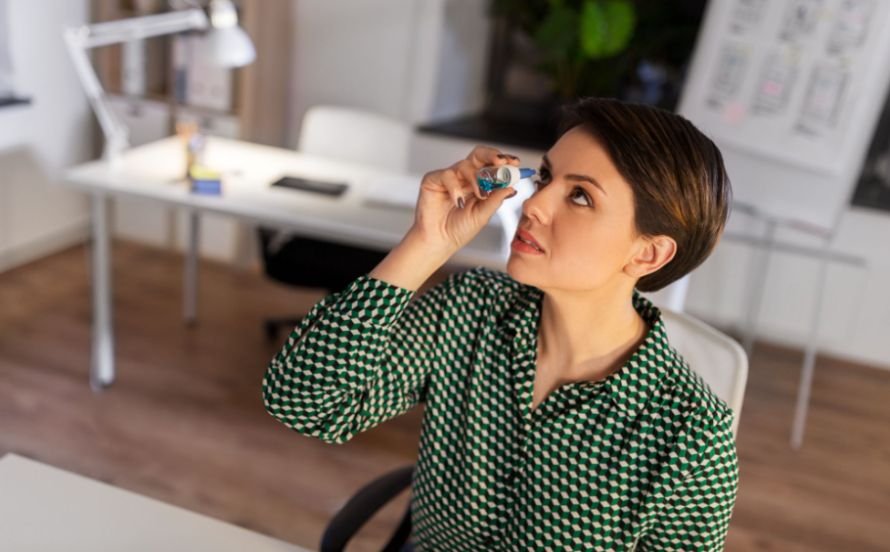
If you accidentally fall asleep with your contacts in, do not pull them off immediately. Apply a few lubricating eye drops, blink several times, and gently remove them once they rehydrate.
Give Your Eyes a Break
Giving your eyes routine breaks prevents chronic dryness and fatigue from setting in during long workdays. It is highly recommended to follow the 4-to-1 rule, taking a 1-hour break from your lenses for every 4 hours of continuous wear.
Switching to your backup glasses in the evening gives your corneas dedicated time to absorb natural atmospheric oxygen. This simple habit keeps your eyes feeling fresh and healthy for years to come.
Listen to Your Eyes
Your eyes will always let you know when they have had enough lens wear for the day. If your eyes become dry, red, or irritated, remove the lenses immediately and inspect them for tears or debris.
Never force your eyes to endure discomfort just to finish the evening. Keeping a spare lens case and a pair of prescription glasses in your bag ensures you are always prepared.
Practical Steps on How Long Can You Wear Contacts Daily
Applying proper lens care habits in real life keeps your routine simple, clean, and completely stress-free.

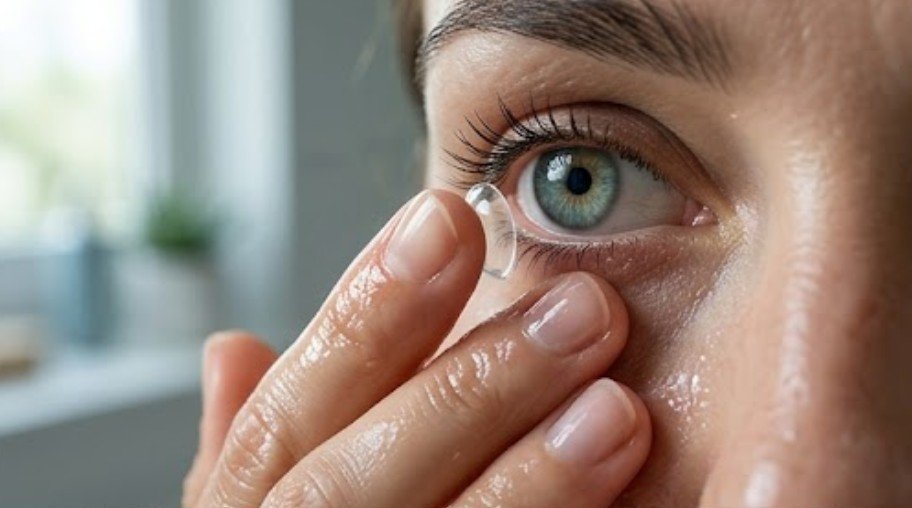
- First, wash your hands with plain soap and water, then dry them thoroughly with a lint-free towel before touching your eyes.
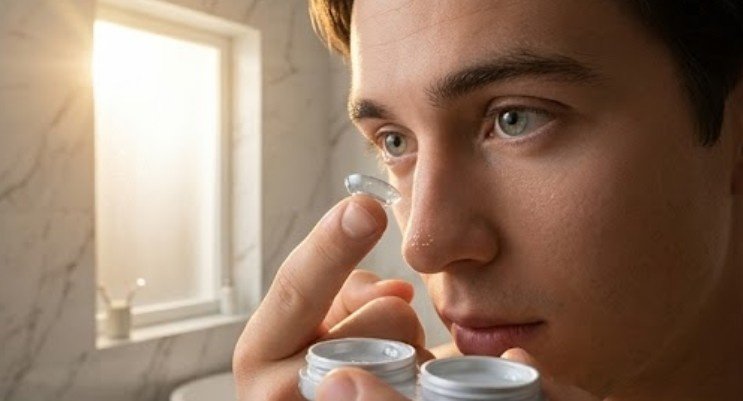
- Second, insert your lenses after waking up and set a gentle phone reminder to remove them at least one hour before sleeping.
- Third, clean reusable lenses using fresh multi-purpose solution every night, discarding old solution instead of topping it off.
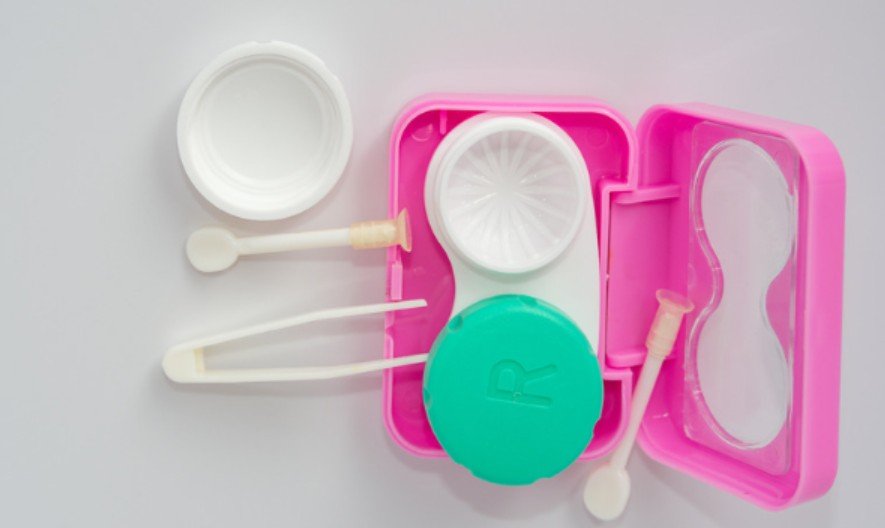
- Finally, replace your plastic contact lens case every one to three months to prevent bacterial buildup.
Frequently Asked Questions
1. Is there a limit to how long you can wear contacts?
Yes, standard contact lenses have a strict maximum limit of 12 to 16 hours per day. Exceeding this limit leads to corneal oxygen deprivation, redness, and severe eye irritation.
2. What is the 3:1:1 rule for contacts?
The 3-1-1 rule is a TSA travel regulation for liquids. You may carry contact lens solution in containers of 3.4 ounces or less within one clear quart-sized bag in your carry-on luggage.
3. What is the 4 to 1 rule for contact lenses?
The 4-to-1 rule recommends taking a 1-hour break from contacts for every 4 hours of continuous wear. This easy routine restores oxygen flow and essential moisture to your eyes.
4. Are contacts good for 30 days or 30 wears?
Monthly contacts are good for 30 consecutive calendar days from the moment you open the foil package. They must be thrown away after 30 days regardless of total wearing days.
Bye-Bye Blurry Vision
Mastering how long can you wear contacts is the ultimate secret to enjoying crystal-clear vision without compromising your eye health. Respecting daily wear hours, replacing lenses on time, and taking regular breaks keeps your corneas healthy and bright. Keep your backup glasses nearby, listen to early signs of dryness, and consult your optometrist for tailored advice.