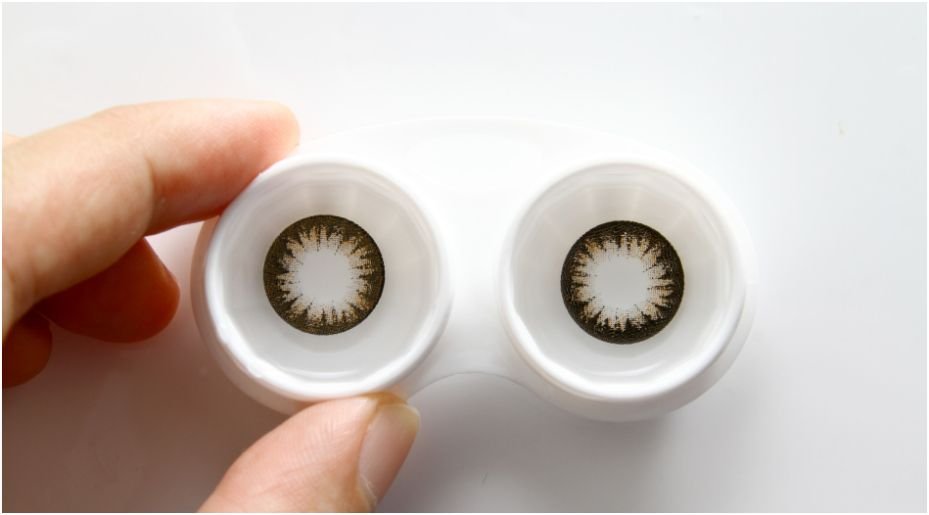
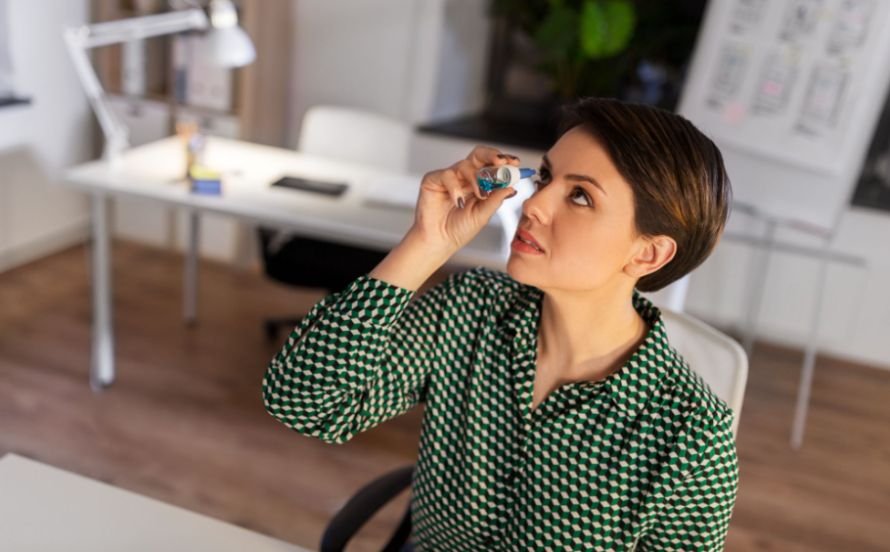
At 9 a.m., my contacts may feel perfectly comfortable. By 3 p.m., every blink can feel scratchy, my vision may shift in and out of focus, and I start counting the minutes until I can switch to glasses. That afternoon discomfort is common when dealing with dry contact lenses in heated office environments.
Warm HVAC airflow, low indoor humidity, prolonged screen use, and incomplete blinking can gradually disrupt the tear film covering the lenses. Fortunately, a few smart changes to the workspace and contact lens routine can help restore comfort before dryness ruins the rest of the workday.
Why Do Contacts Feel Dry, Tight, or Blurry at the Office?
Forced-air furnaces and commercial HVAC systems circulate warm air through many US workplaces in winter. When a vent, radiator, or portable heater blows toward your face, moisture can evaporate faster from the eye’s surface. The lens may feel tight, sticky, gritty, or difficult to tolerate, while blurry vision may briefly clear after a complete blink.
Computer work can intensify the problem. People often blink less frequently or less completely while concentrating on screens, so tears are not spread evenly over the lens. The American Academy of Ophthalmology notes that prolonged device use can contribute to ongoing dry-eye symptoms in contact lens wearers.
How Can I Get Immediate Relief From Dry Contacts at Work?
Should I Use Contact Lens-Safe Rewetting Drops?
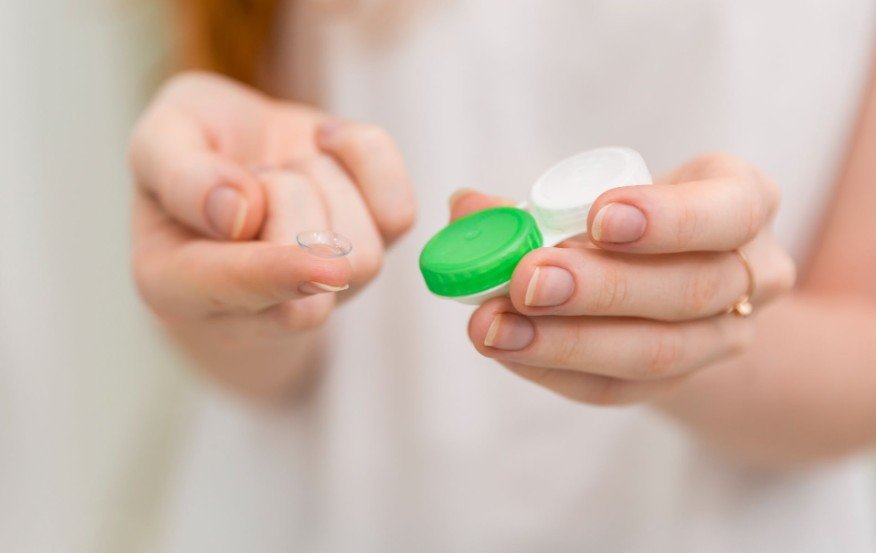
Contact lens rewetting drops may provide temporary relief, but the label matters. I would choose a product that specifically states it is approved for use while wearing my lens type. “Preservative-free” does not automatically mean “contact lens-safe.” FDA instructions advise wearers to use rewetting drops approved for their lenses or recommended by an eye care professional.
If discomfort continues, remove the lens with clean, dry hands rather than rubbing your eye or forcing yourself to wear it all day.
Can Moving My Desk Away From a Heating Vent Help?
Move your chair or monitor so warm air passes beside you rather than directly across your eyes. Redirect desk fans and avoid sitting close to portable heating units.
A small USB-powered desktop humidifier may help when company policy allows one. Clean it as directed and keep mist away from electronics. Office research suggests that a desktop humidifier may reduce dry-eye and eye-strain symptoms, although it cannot replace proper lens care or an eye examination.
Does the 20-20-20 Rule Help Contact Lens Dryness?
Every 20 minutes, look at something about 20 feet away for at least 20 seconds. During the break, complete several slow, full blinks to redistribute tears across your lenses. The American Optometric Association recommends this approach for digital eye strain.
When contacts feel gritty after screen time, reduced blinking and prolonged concentration may cause the tear layer to break down, increasing friction between the eyelids and lens surface. Regular visual breaks and deliberate complete blinks can help restore moisture before the lenses begin to feel sandy or scratchy.
Positioning the monitor slightly lower may also reduce how widely the eyes stay open and limit exposure to heated airflow.
Which Long-Term Lens Changes May Improve Office Comfort?
Are Silicone Hydrogel Lenses Better for Heated Offices?
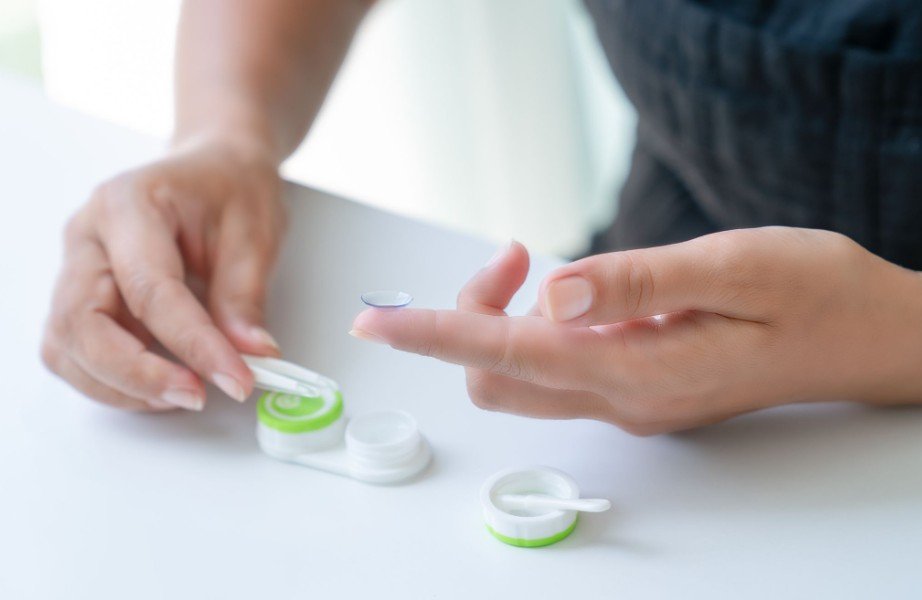
Silicone hydrogel lenses generally allow more oxygen to reach the cornea than traditional hydrogel lenses, but greater oxygen transmission does not guarantee better moisture retention or comfort for everyone. Ask an optometrist to evaluate lens fit, tear quality, eyelid health, prescription, workplace conditions, and wearing time before switching materials.
Can Daily Disposable Contacts Reduce End-of-Day Dryness?
Daily disposables provide a fresh surface each morning and avoid overnight storage, which may help if reusable lenses collect protein deposits or become uncomfortable late in the day. Still, no lens material or replacement schedule works best for everyone. An optometrist may recommend another lens, a different care solution, or treatment for underlying dry eye.
It is also important to understand how to clean daily contacts correctly. True daily disposable lenses are designed to be worn once and discarded rather than cleaned, stored, or reused, because handling them beyond their intended schedule may increase contamination, deposits, and irritation.
Keep prescription glasses at your desk and consider switching to them during lunch or late afternoon. A midday break reduces total lens-wearing time and may ease end-of-day eye fatigue.
Could My Contact Lens Habits Be Making Dryness Worse?
Follow the replacement schedule prescribed by your eye care provider. Do not stretch two-week or monthly lenses beyond their intended life, sleep in daily-wear contacts, top off old solution, or rinse contacts with tap water.
The CDC recommends using fresh contact lens solution, keeping water away from lenses, and carrying backup glasses and supplies.
Recurring discomfort may also relate to allergies, medications, eyelid-gland problems, or dry eye disease. Mention these factors during your eye examination instead of changing medications or choosing lenses based only on online recommendations.
When Should I Remove My Contacts and Call an Eye Doctor?

Remove your contacts promptly if you develop unusual irritation. Pain, significant redness, light sensitivity, discharge, swelling, or vision that remains blurry after lens removal should not be treated as routine workplace dryness.
The CDC advises wearers with unusual irritation to remove their lenses, avoid wearing them again until advised, and see an eye doctor.
Frequently Asked Questions
1. Why Are My Contacts Fine in the Morning but Dry by Afternoon?
Heating, direct airflow, screen concentration, lens deposits, and total wearing time can build on one another throughout the day.
2. Can I Put Regular Artificial Tears Over My Contacts?
Only use drops whose label permits use with your contact lens type, or follow your eye doctor’s recommendation.
3. Will Drinking More Water Fix Dry Contacts?
Normal hydration supports general health, but it may not correct dryness caused by low humidity, airflow, incomplete blinking, poor lens fit, or dry eye disease.
4. Should I Take My Contacts Out During Lunch?
A midday glass break may reduce wearing time and end-of-day fatigue. Store reusable lenses only in fresh, approved solutions.
Make Your Heated Workspace Easier on Your Eyes
The best way to manage dry contact lenses in heated office settings is to address both the workspace and the lenses. I would redirect warm airflow, take deliberate blink breaks, use approved rewetting drops, keep a clean humidifier and backup glasses nearby, and follow the prescribed care schedule.
If symptoms return daily or include pain, redness, light sensitivity, discharge, or persistent blurry vision, I would stop wearing the lenses and schedule an eye examination.