

I know how frustrating it can be when glasses or ordinary contact lenses fail to provide consistently sharp vision. An uneven corneal surface can scatter light before it reaches the retina, causing blur, glare, ghost images and difficulty seeing at night. Scleral contact lenses for irregular corneas offer another option by creating a smooth optical surface over the eye rather than following every uneven contour of the cornea.
These specialty lenses may improve visual clarity, comfort and stability for people with keratoconus, corneal scarring, postsurgical changes and other complex eye conditions. However, they require professional fitting, proper handling and regular follow-up care.
Why Irregular Corneas Cause Blurred Vision
The cornea is the clear front surface of the eye. A healthy cornea normally has a smooth, rounded shape that focuses light accurately. When its shape becomes uneven, light may enter the eye from several directions instead of reaching a single focal point.
This can cause:
- Blurred or distorted vision
- Halos around lights
- Ghost images
- Glare sensitivity
- Fluctuating clarity
- Difficulty driving at night
- Frequent prescription changes
Regular astigmatism can often be corrected with glasses or toric soft contacts. Irregular astigmatism is more complicated because the corneal curves are not evenly distributed. A standard lens may therefore be unable to neutralize all the distortion.
What Are Scleral Contact Lenses?
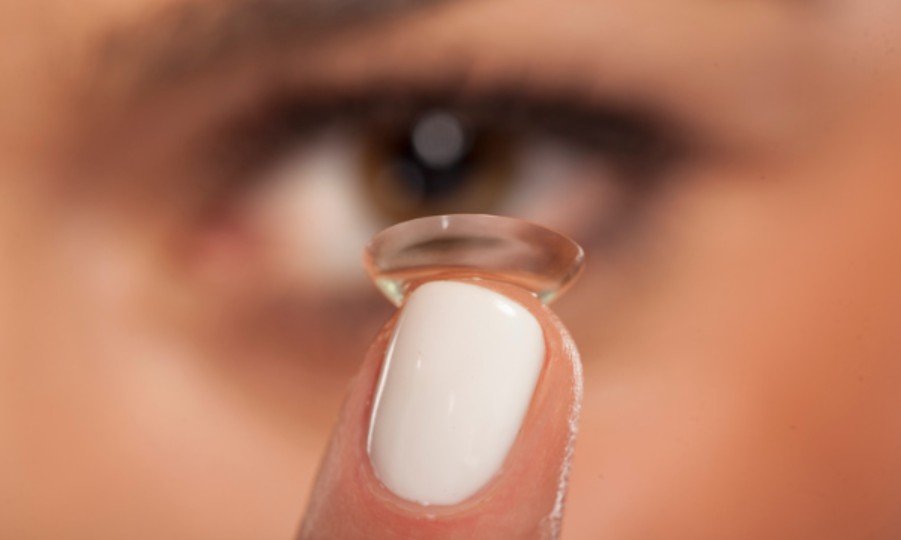
Scleral lenses are large-diameter, rigid gas-permeable contacts. Instead of resting directly on the sensitive cornea, they extend over it and land on the white part of the eye, known as the sclera.
Before insertion, the bowl of the lens is filled with an approved preservative-free solution. Once the lens is placed on the eye, this liquid forms a reservoir between the back of the lens and the corneal surface.
The lens effectively vaults over the irregular cornea without pressing against its most uneven areas. Its rigid front surface then provides a smoother pathway for light to enter the eye.
How Scleral Lenses Improve Vision
They Create a Smooth Optical Surface
The fluid reservoir fills the space between the misshapen cornea and the lens. Together, the liquid layer and rigid lens surface can reduce optical distortion caused by corneal irregularities.
This may provide clearer and more stable vision than glasses or ordinary soft contacts, particularly when the corneal shape is highly uneven.
They Remain Stable on the Eye
Smaller corneal rigid lenses can move with each blink. This movement may cause fluctuating vision or discomfort in some wearers.
Because scleral lenses rest across a wider area, they are generally more stable. Better stability can help maintain consistent clarity during reading, computer work and everyday movement.
They Protect the Corneal Surface
The liquid reservoir keeps the cornea covered while the lens is being worn. This feature may help people who experience significant dryness alongside an irregular corneal shape.
The reservoir does not replace medical treatment for dry eye or corneal disease. It may, however, create a more comfortable environment for the ocular surface when the lens is properly fitted.
Conditions That May Benefit From Scleral Lenses
Keratoconus and Corneal Ectasia
Keratoconus causes the cornea to become thinner and develop a cone-like shape. Corneal ectasia may also occur following refractive procedures such as LASIK eye surgery.
Scleral lenses do not reverse these conditions, but they may improve the resulting visual distortion. People with progressive disease may require separate treatments to manage corneal stability.
Pellucid Marginal Degeneration
Pellucid marginal degeneration causes thinning near the lower part of the cornea. Its irregular shape can create astigmatism that is difficult to correct with conventional lenses.
A customized scleral design may provide more consistent coverage and vision correction.
Corneal Scarring or Trauma
Injury, infection and previous ulcers can leave scars that disrupt the corneal surface. A scleral lens may mask some of the resulting irregularity and improve functional vision when glasses are insufficient.
Vision Changes After Eye Surgery
Radial keratotomy, corneal transplantation and other surgical procedures can sometimes leave an uneven surface. Specialty lens fitting may help address glare, distortion or fluctuating vision after the eye has healed.
Scleral Lenses Compared With Other Options

Glasses are convenient, but they cannot reshape the optical surface directly over the cornea. Soft contacts generally conform to the existing corneal shape, meaning some irregularity may remain uncorrected.
Small rigid gas-permeable lenses can deliver excellent clarity, although they may move or feel uncomfortable on sensitive corneas. Hybrid lenses combine a rigid center with a soft outer skirt, offering another possible balance between vision and comfort.
Scleral lenses provide broad coverage, strong stability and a fluid reservoir. The most suitable option depends on corneal shape, eye health, prescription, comfort needs and the results of a specialist evaluation.
What Happens During a Scleral Lens Fitting?
A fitting normally begins with a detailed eye examination. The practitioner may use corneal topography or tomography to evaluate the shape and elevation of the cornea.
Trial lenses are then placed on the eyes to assess:
- Central and peripheral clearance
- Scleral alignment
- Lens stability
- Comfort
- Visual correction
- Signs of pressure or redness
Measurements are used to order customized lenses. Follow-up visits allow the practitioner to check the fit after several hours of wear and make adjustments when necessary.
Complex corneas may require multiple fitting visits. This should not automatically be viewed as a failure; small changes can be essential for long-term comfort and eye health.
Possible Challenges to Consider
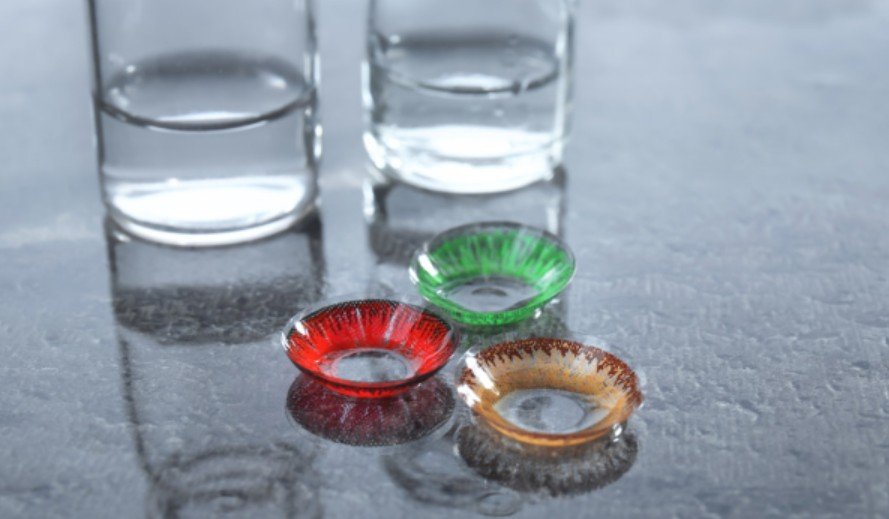
Scleral lenses can have an initial learning curve. Users must learn how to fill, insert and remove them without trapping air bubbles.
Other possible concerns include:
- Higher initial costs than standard contacts
- Longer cleaning and handling routines
- Midday fogging behind the lens
- Difficulty inserting the lens
- Redness from an unsuitable fit
- Need for periodic replacement
- Multiple professional appointments
These challenges can often be managed through proper training and lens adjustments. Persistent discomfort, however, should never be ignored.
Scleral Lens Care and Safety
Wash and dry your hands thoroughly before handling the lenses. Use only cleaning, disinfecting and filling products recommended by your eye-care professional.
Never use saliva or tap water to rinse, store or fill the lenses. Water can expose the eyes to microorganisms that may cause severe infections.
Remove the lenses and seek professional guidance if you experience sudden pain, unusual redness, discharge, light sensitivity or a noticeable decline in vision. Do not continue wearing a damaged lens or attempt to solve recurring discomfort without an examination.
Frequently Asked Questions
1. Are scleral contact lenses for irregular corneas comfortable?
Many people find them comfortable because the lenses vault over the sensitive cornea and rest on the less-sensitive sclera, although comfort depends on an accurate fit.
2. Can scleral lenses stop keratoconus from progressing?
No. They correct vision but do not stop progression; separate treatments such as corneal cross-linking may be considered by an eye specialist.
3. How long does it take to adjust to scleral lenses?
Some users adapt within several days, while others need a few weeks to become confident with insertion, removal and daily care.
4. Can I sleep while wearing scleral lenses?
Sleeping in them is generally not recommended unless a qualified eye-care professional has given specific medical instructions.
Final Perspective
I believe the most important advantage of scleral lenses is not simply sharper eyesight. It is their potential to restore confidence in activities that distorted vision can make difficult, including reading, driving and working on digital screens.
They are not a universal solution, and successful wear depends on careful fitting, realistic expectations and responsible care. A comprehensive evaluation with an experienced specialty-lens practitioner can determine whether this design suits the shape, health and visual needs of your eyes.