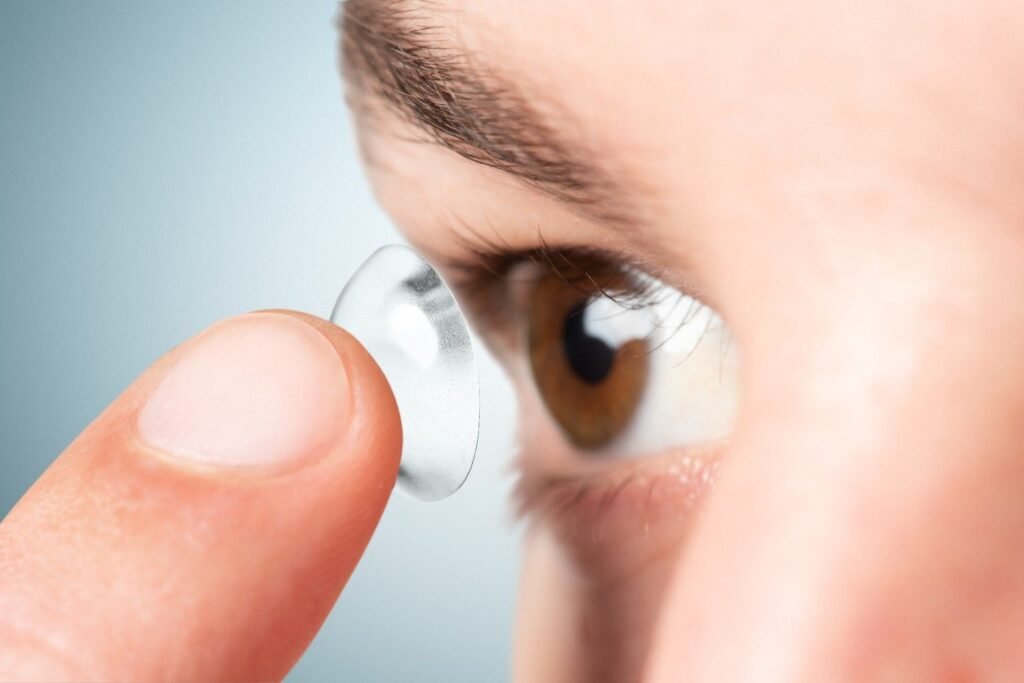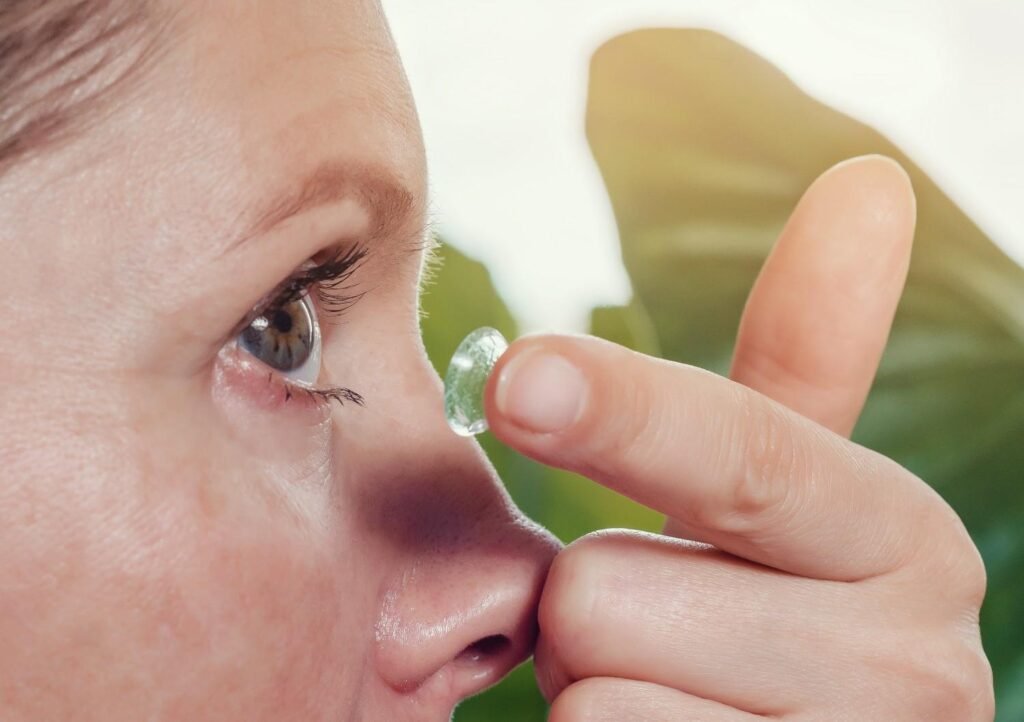

I know how discouraging it feels when lenses that should simplify vision instead leave the eyes dry, itchy, red, or tired. Choosing contact lenses for people with sensitive eyes is not simply about finding the softest material. Comfort depends on the cause of irritation, lens fit, replacement schedule, cleaning system, and daily habits.
“Sensitivity” is not a diagnosis. It may describe dry eye, allergies, eyelid inflammation, deposits, solution sensitivity, or a lens that rubs or moves poorly. Identifying the likely cause is the first step toward finding a safer option. Comfort can change with seasons and routines.
What Makes Eyes Sensitive to Contacts?
Contact lenses rest on the tear film, so moisture and blinking affect comfort. Dry eye may occur when tears are insufficient or evaporate too quickly. Screen use, wind, smoke, air conditioning, dehydration, and some medicines can worsen symptoms.
Allergies may cause itching, watering, redness, and mucus. Pollen, cosmetics, and deposits on reusable lenses can intensify them. Burning after cleaning may indicate care-product sensitivity. Fit matters too: a tight lens may move too little, while a loose lens may shift and irritate the surface.
Best Lens Types for Sensitive Eyes
Daily Disposable Lenses
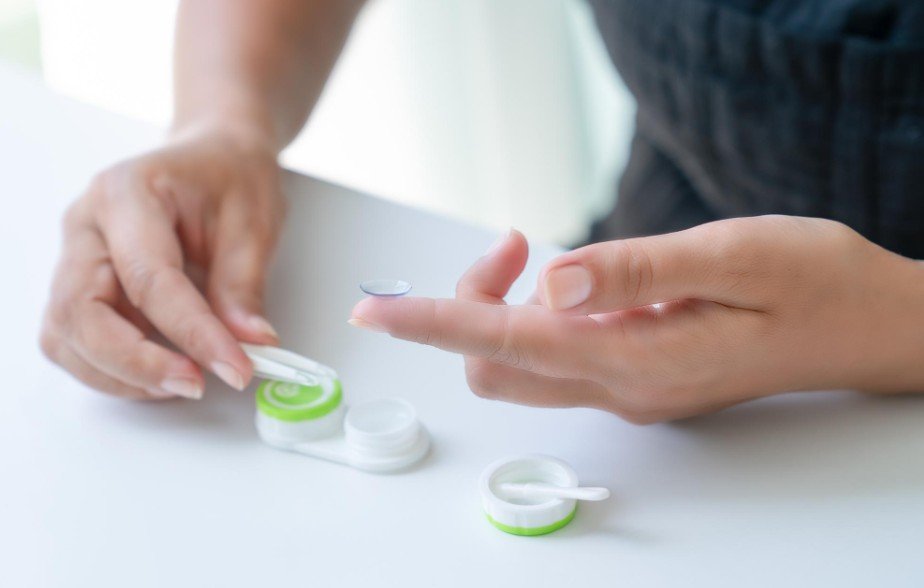
Daily disposables provide a fresh pair each day. This reduces the buildup of proteins, oils, allergens, and cosmetic residue. They also eliminate storage cases and disinfecting solutions, which may help people who react to preservatives.
They cost more than reusable lenses, but lower deposit exposure may justify the price for easily irritated eyes.
Silicone Hydrogel Lenses
Silicone hydrogel materials allow more oxygen to reach the cornea than many traditional hydrogels. However, greater oxygen transmission does not automatically guarantee comfort.
Surface treatment, edge design, fit, and wearing time also matter, so professional assessment remains important.
Traditional Hydrogel Lenses
Hydrogel lenses can feel soft, but high water content does not always mean lasting hydration. They may still work well when their surface, movement, and replacement schedule suit the tear film.
Rigid Gas-Permeable and Scleral Lenses
Rigid gas-permeable lenses or hard contact lenses provide sharp vision and resist some deposits, but they require adaptation.
Hybrid contact lenses for clear and comfortable vision may offer another option by combining a rigid central zone for visual clarity with a soft outer skirt designed to improve initial comfort.
Scleral lenses vault over the cornea and hold preservative-free fluid beneath them. Both may help certain corneal conditions, but they need specialist fitting and careful hygiene.
Features That Affect Comfort
Oxygen transmissibility matters, but so do surface wettability, edge design, thickness, base curve, and movement. Replacement frequency is equally important. Extending reusable-lens wear may increase deposits and irritation, while unstable toric or multifocal lenses can cause fluctuating vision and eye strain.
Following practical steps on how to prevent blurry vision while wearing contact lenses can help identify whether dryness, deposits, poor fit, lens movement, or an outdated prescription is affecting visual clarity.
Daily Versus Monthly Contacts
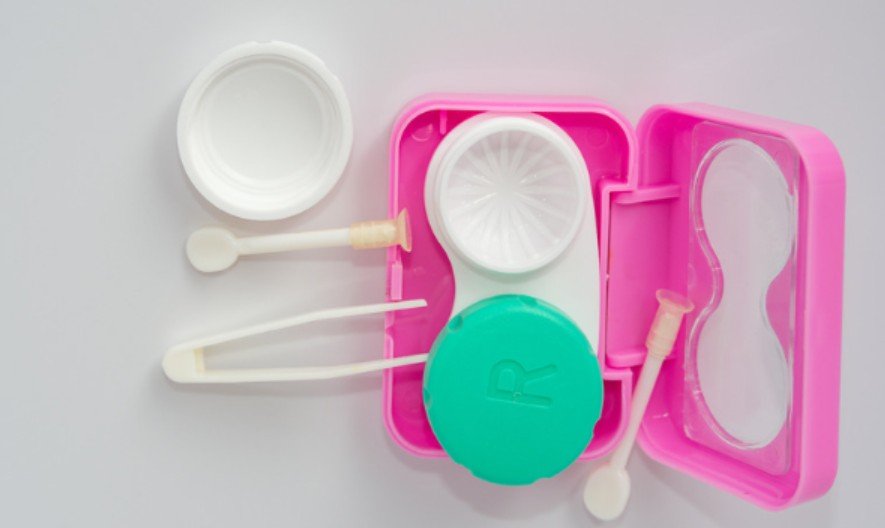
Daily lenses offer a clean surface every morning and may suit occasional wearers or people with allergies. Monthly lenses are more economical, but they require consistent rubbing, rinsing, disinfection, and on-time replacement. Never top off old solution or stretch the wearing schedule.
Can Contact Lens Solution Cause Irritation?
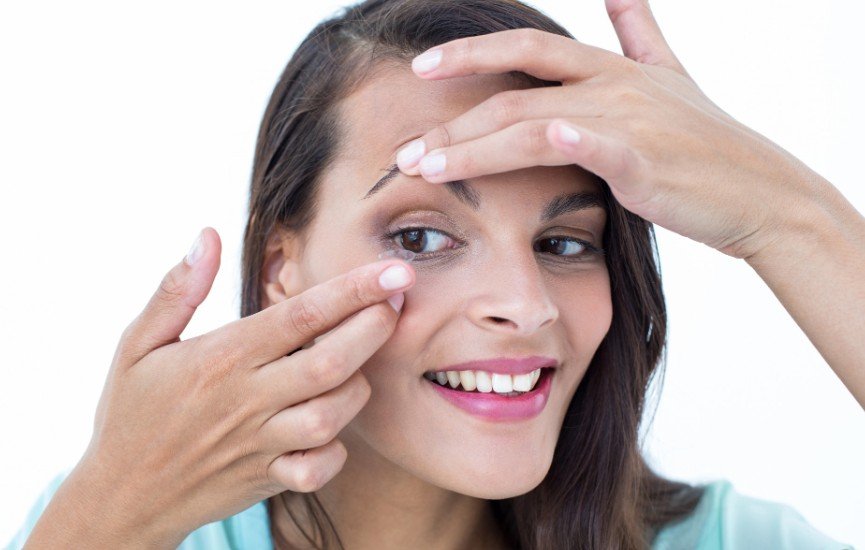
Multipurpose solutions contain ingredients that clean and disinfect lenses, but not every formula suits every wearer. Burning that repeatedly begins after insertion may justify discussing a different compatible care system with an optometrist.
A hydrogen peroxide system may be recommended for some solution-sensitive users. It must be used only with its special neutralising case and allowed to complete the full neutralisation time. Unneutralised peroxide can cause intense burning and eye injury. It should never be placed directly in the eye or treated like ordinary saline.
Habits That Support Comfortable Wear
Wash and fully dry your hands before touching lenses. Keep contacts away from tap water, showers, swimming pools, and hot tubs. Follow the prescribed wearing and replacement schedule, and allow regular lens-free time.
Use only drops labelled as compatible with contact lenses unless an eye-care professional advises otherwise. Remove lenses before sleeping unless they were specifically prescribed for overnight wear. Keep backup glasses available so discomfort never forces you to continue wearing an irritating lens.
When to Remove Your Contacts
Take lenses out when discomfort persists or repeatedly returns. Sudden or worsening pain, marked redness, light sensitivity, discharge, swelling, or blurred vision that remains after removal needs prompt professional assessment.
Do not hide these symptoms with redness-relief drops or assume that changing brands will solve the problem. Infection, inflammation, allergy, dry eye, and poor fit may produce similar early symptoms.
Frequently Asked Questions
1. Are contact lenses for people with sensitive eyes safe for daily wear?
They may be safe when properly fitted, replaced, and cared for, but recurring irritation should be evaluated rather than accepted as normal.
2. Are daily contacts better for allergies?
They may reduce exposure to deposits and allergens because each pair is discarded after use, although allergy treatment may still be needed.
3. Can monthly lenses work for dry eyes?
Yes. Their success depends on the tear film, lens fit, material, cleaning routine, and replacement discipline.
4. Do high-water lenses always feel better?
No. Water content is only one factor; surface wettability, evaporation, fit, edge design, and the wearing environment also influence comfort.
Final Thoughts
I would not choose a lens based on advertising claims or material alone. I would first consider when symptoms begin, whether itching or dryness is dominant, how the lens is cleaned, and whether the fit has been professionally checked.
The best option may be a daily disposable, a carefully selected reusable soft lens, or a specialty design. The right choice is the one that supports clear vision, healthy wear, and dependable comfort without asking the eyes to tolerate ongoing irritation.