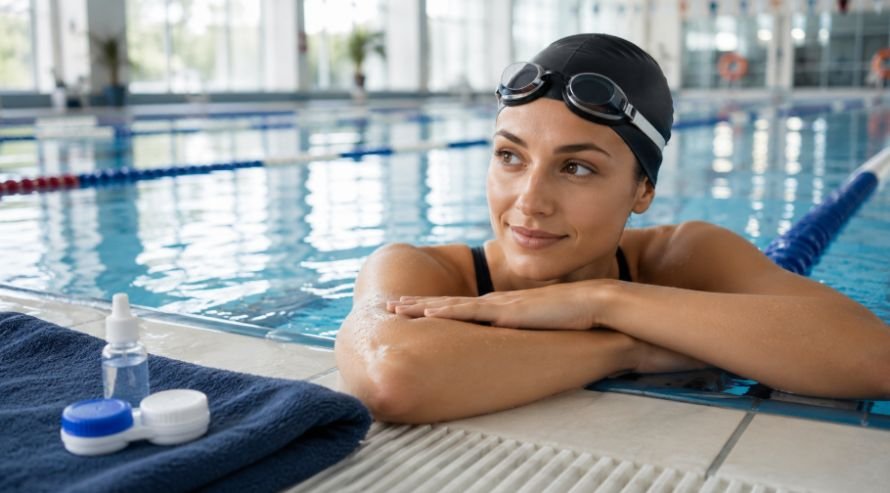
Jumping headfirst into a refreshing pool on a hot summer afternoon feels like the perfect way to cool off. But before you dive in, you may find yourself wondering, can you swim with contacts in? It is a common question among contact lens wearers, especially since soft lenses are so comfortable that it’s easy to forget you’re wearing them.
However, water and contact lenses are not a safe combination. Understanding the risks can help protect your eyes from irritation, infection, and potentially serious vision problems while you enjoy your time in the water.
Key Takeaways
- Water traps bacteria and microscopic parasites like Acanthamoeba directly against soft contact lenses.
- Fresh water, ocean salt, and pool chlorine distort lens shapes, leading to corneal scratches.
- Airtight swim goggles combined with single-use daily disposables offer the best harm reduction.
- Immediate lens removal and sterile rinsing prevent sight-threatening bacterial keratitis after accidental exposure.
- Prescription swim goggles provide crystal-clear vision without exposing your natural cornea to water risks.
Making Sense of Splash Zone Risks
No, you should avoid wearing contact lenses in the pool. Contact lenses are porous and can absorb water, trapping harmful bacteria and parasites (such as Acanthamoeba) against your cornea. This significantly increases the risk of severe eye infections, corneal ulcers, and irritation.
Why Microbes Love Soft Lenses
Soft lenses function much like microscopic sponges whenever water touches them. Standard pool water contains various microscopic organisms, and soft hydrogel materials instantly trap these microbes against your eye socket. Once locked behind the lens, these tiny bugs thrive in the warm environment, quickly multiplying into severe ocular threats.
Physical Damage to Corneal Tissues
Chemicals like chlorine irritate your delicate eyes, but they also ruin contact lens geometry. Water changes the shape of soft contacts, causing them to shrink, warp, or adhere tightly to the surface of your cornea. This tight suction starves your eye of oxygen and creates painful surface scratches that let bacteria penetrate deeper.
Protecting Sight with Smarter Habits
If you must swim with contacts, eye care professionals strongly advise taking crucial safety measures to safeguard your vision. Following harm-reduction steps prevents accidental water contamination from turning into a lasting medical issue.
Wear Tight Goggles
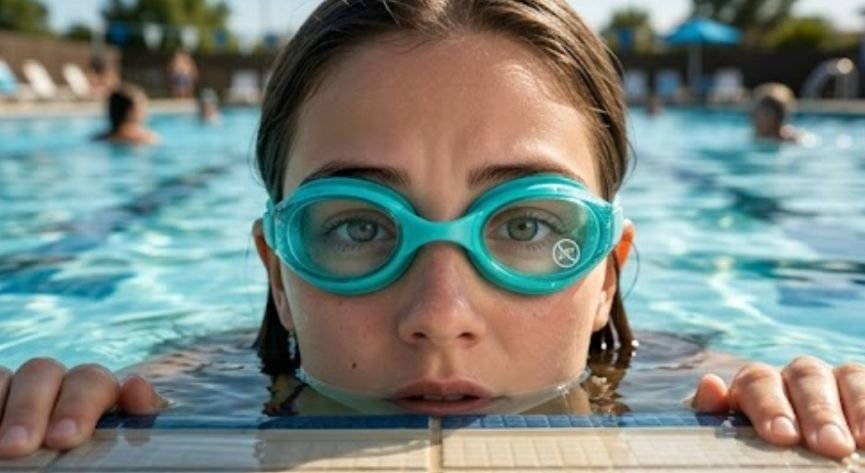
Keep your eyes protected with airtight, well-fitting swimming goggles to prevent any water from touching your lenses. Quality swim goggles create a secure barrier around your eye sockets, allowing you to enjoy crystal-clear vision underwater without exposing your delicate lenses to pool chemicals or natural freshwater pathogens.
Use Daily Disposables
Opt for daily disposable lenses, as the fresh pair minimizes the risk of lingering bacteria. Single-use daily contacts are designed to be thrown away immediately, meaning you never have to worry about trapped microbes surviving on the lens material overnight or soaking into reusable storage cases.
Discard Immediately
Take out and throw away your disposable contacts as soon as you finish swimming, and switch to glasses. Peel off the exposed lenses with clean, thoroughly dried hands right after leaving the water, flush your eyes with sterile rewetting drops, and rest your eyes behind your favorite spectacle frames.
Smart Alternatives to Wearing Contacts
The safest alternative is to invest in prescription swim goggles from optical retailers so you can see clearly without risking your eye health. Choosing alternative aquatic eyewear lets you navigate the deep end with total confidence.
Custom Prescription Goggles
Prescription goggles feature custom corrective optics fitted directly into comfortable rubber gaskets. They provide exact visual sharpness matched to your specific eye prescription while keeping every drop of pool water completely away from your eyes.
Non-Prescription Goggle Shields
Swimmers with mild visual needs can often rely on simple watertight goggles without wearing corrective lenses underneath. Navigating open water or pool decks remains easy enough, and taking your contacts out beforehand removes every bit of infection risk.
Essential First Aid for Exposed Eyes
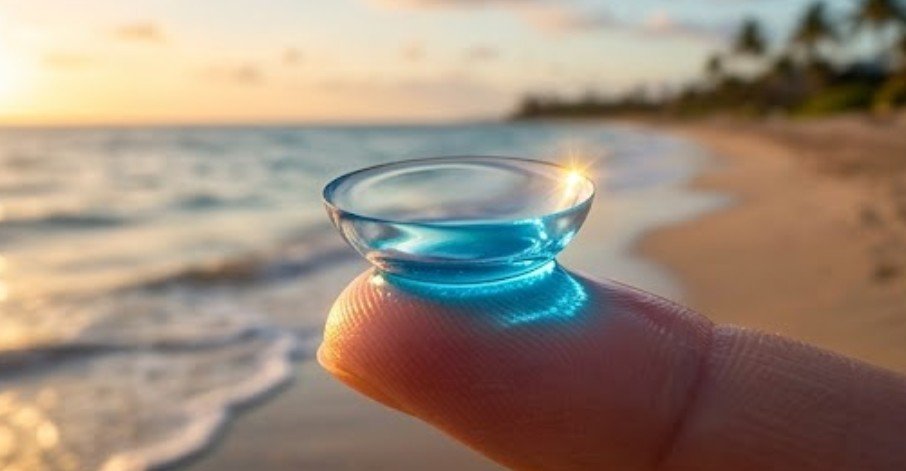
Accidents happen during active beach days, so knowing how to manage unexpected splashes is essential for contact lens care. Acting fast minimizes potential corneal irritation before bacteria take root.
Immediate Lens Removal
Step out of the water as soon as water enters your eyes. Wash your hands with clean soap, dry them with a fresh lint-free towel, and carefully remove the contact lenses without rubbing your eyes.
Flushing and Disinfection
Throw away disposable lenses instantly. If you wear reusable monthly contacts, submerge them in fresh multi-purpose disinfecting solution or hydrogen peroxide systems overnight, and rinse your eyes with sterile saline drops to relieve dryness.
Tracking Warning Signs
Switch to your glasses for the rest of the day and monitor how your eyes feel. If you experience persistent redness, pain, light sensitivity, excessive tearing, or blurry vision, schedule an urgent visit with your optometrist right away.
Frequently Asked Questions
1. What is the 3:1:1 rule for contacts?
The 3:1:1 rule is TSA’s airport carry-on policy for travel: liquids like contact lens solution must be in 3.4-ounce containers, packed inside one clear 1-quart plastic bag per traveler.
2. What happens if water gets in your eyes while wearing contacts?
Water causes soft contact lenses to warp, swell, and stick tightly to your cornea. This traps dangerous bacteria and parasites against your eye surface, dramatically increasing your infection risk.
3. Can I take a 20 minute nap with contacts in?
Napping in contact lenses deprives your corneas of vital oxygen and increases infection risks. Unless you wear specialized FDA-approved extended-wear lenses, always remove them before sleeping or napping.
4. What’s the best way to protect my eyes while swimming?
The absolute best protection is wearing prescription swim goggles without contacts. If wearing contacts, pair airtight goggles with single-use daily disposables and throw the lenses away immediately afterward.
Dive Safe and Keep Your Eyes Happy
Understanding the answer to can you swim with contacts in is essential for protecting your eye health while still enjoying time in the water. Although swimming with contact lenses increases the risk of irritation and serious eye infections, there are safer alternatives that let you see clearly without compromising your vision.
Prescription swimming goggles offer the most reliable solution, while daily disposable lenses paired with well-fitting, watertight goggles may provide an option in certain situations. By following proper contact lens hygiene, avoiding direct water exposure, and replacing lenses as recommended, you can enjoy swimming with greater confidence while keeping your eyes healthy and your vision protected.