Dry, gritty eyes and shifting focus can appear after hours without enough fluids. That raises the question: can dehydration affect eyesight and eye health, or is another problem responsible? Dehydration can contribute to temporary blur, irritation, and eye fatigue, mainly by disturbing the tear film. Sudden or persistent vision changes, however, need more than a bottle of water.
I sort these symptoms into three groups: surface dryness, whole-body dehydration, and urgent eye warning signs. This keeps hydration in perspective without dismissing a serious problem.
How Dehydration Can Change Your Vision
The answer to can dehydration affect eyesight and eye health starts at the cornea. Clear vision needs a smooth optical surface, and the tear film creates that surface.
An Unstable Tear Film Can Cause Temporary Blur
Tears keep the eye surface smooth, help focus light, and protect against dirt and infection. When the tear film breaks up too quickly, vision may fluctuate between blinks.
Dehydration may increase tear concentration, known as tear osmolarity. Studies link hydration with some dry-eye measurements, although osmolarity does not perfectly predict symptoms in every person.
A useful clue is the “blink test.” If mild blur clears briefly after a complete blink, an uneven tear film may be involved. It is not a diagnosis, but it can help identify fluctuating surface blur.
Low Blood Pressure Can Affect Vision Indirectly
Fluid loss can reduce circulating blood volume. Some people then feel dizzy when standing, while temporary blur may accompany orthostatic hypotension. This involves blood pressure rather than direct damage to the eye.
This distinction matters when considering can dehydration affect eyesight and eye health. Blur that improves after blinking suggests surface dryness. Vision dimming with dizziness points to a wider hydration or circulation issue.
Dehydration And Dry Eye Symptoms
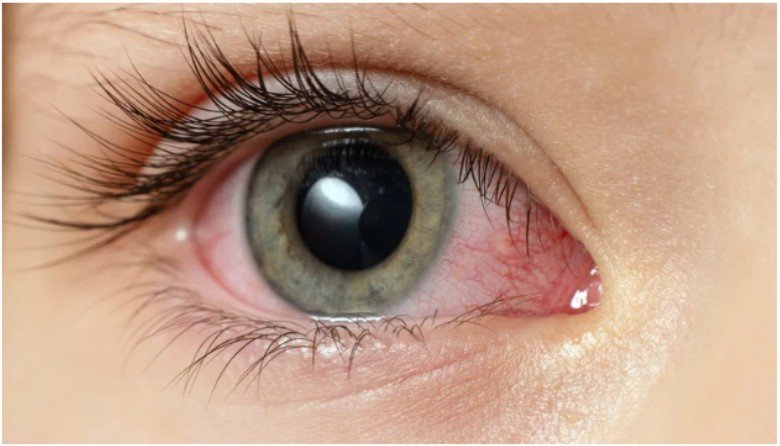
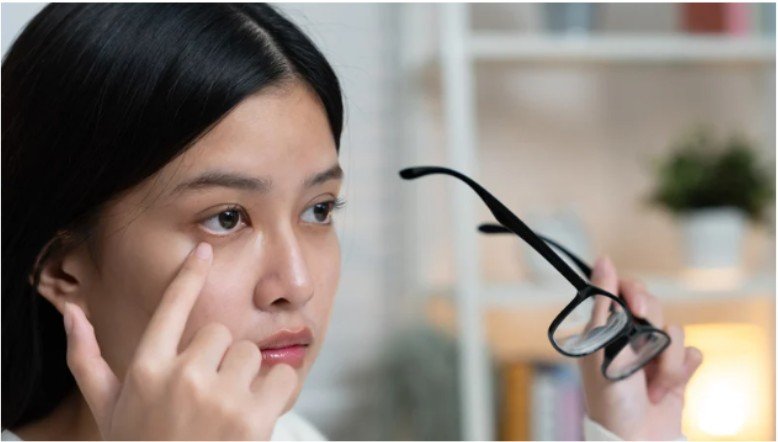
Dry eye develops when the eyes produce too few tears, tears evaporate too quickly, or the tears do not work properly. Symptoms include burning, redness, grittiness, light sensitivity, and intermittent blur.
Dehydration is only one possible contributor. Air conditioning, wind, medications, age, eyelid problems, screen use, and certain health conditions may also affect the tear film.
Therefore, the honest answer to can dehydration affect eyesight and eye health is “yes, but usually as one factor.” Water may help correct a fluid deficit, but it cannot treat every form of dry eye.
Why Screens And Contact Lenses Can Make It Worse
Focused screen work can reduce complete blinking, giving tears more time to evaporate. Symptoms often worsen late in the day or under direct air conditioning.
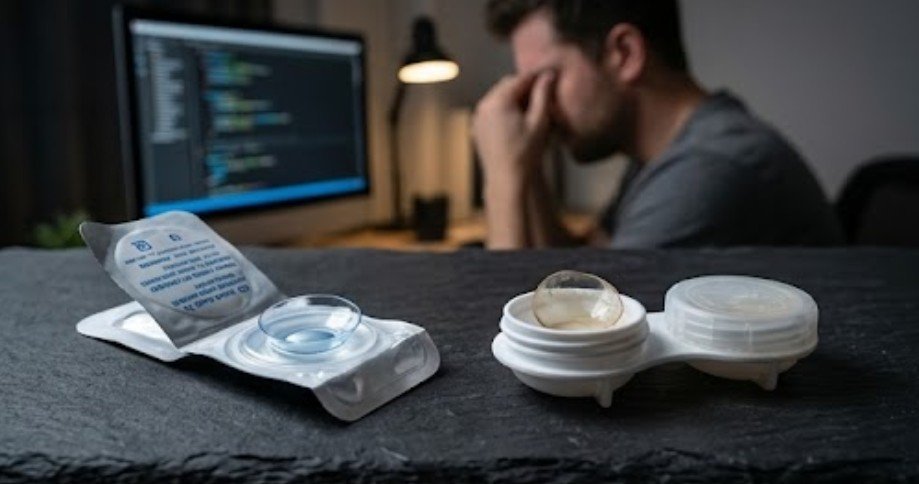
Contact lenses also interact with the tear film. If lenses become dry, tight, or blurry, remove them rather than wearing through the discomfort. Pain, marked redness, or light sensitivity needs professional assessment.
Readers comparing fatigue and hydration symptoms can also see how lack of sleep affects your eyes and vision.
My Three-Part Check For Eye Symptoms

When someone asks can dehydration affect eyesight and eye health, I use this simple check.
First, look for surface clues. Burning, grittiness, fluctuating blur, and brief improvement after blinking suggest tear-film instability.
Second, look for whole-body dehydration. Thirst, dry mouth, dark urine, low urine output, and lightheadedness suggest a wider fluid deficit. Severe dehydration needs prompt medical care.
Third, screen for red flags. Sudden vision loss, severe pain, a curtain-like shadow, or a sudden shower of flashes and floaters should never be managed as ordinary dehydration.
This symptom-sorting method connects each pattern with the safest next step. Surface symptoms support a limited hydration-and-lubrication trial. Whole-body symptoms require broader rehydration. Red flags require professional care.
What Dehydration Probably Does Not Explain
Some online claims suggest that dehydration shrinks the vitreous gel and causes flashes or “seeing stars.” Ordinary dehydration should not be treated as a safe explanation for new flashes or floaters.
The National Eye Institute warns that sudden floaters, flashes, or a shadow across vision can signal a retinal tear or retinal detachment. These symptoms require immediate assessment.
Research reviews discuss possible associations between hydration, cataracts, and retinal vascular disease. However, an association does not prove that low water intake directly causes these conditions.
So, can dehydration affect eyesight and eye health over time? It may influence the ocular surface and circulation, but hydration does not replace preventive eye care or regular eye examinations.
How To Rehydrate And Protect Your Eyes
There is no universal eight-glass rule. The National Academies lists adequate total water intake near 3.7 liters, or 125 ounces, for adult men and 2.7 liters, or 91 ounces, for adult women. These totals include water from food and all beverages. Individual needs vary with heat, exercise, pregnancy, illness, and medication use.
Sip fluids steadily instead of forcing a large amount at once. Pair hydration with complete blinks, screen breaks, and protection from direct fans or air-conditioning vents.
Lubricating eye drops may provide temporary relief. People who use drops frequently should ask an eye-care professional whether preservative-free products are more suitable.
Try A Two-Hour Eye Reset
My practical test combines four actions for two hours: normal fluid intake, regular screen breaks, complete blinking, and less direct airflow.
If mild fluctuating blur improves, dryness was probably contributing. If it remains unchanged, keeps returning, or affects one eye more than the other, arrange an eye examination.
This test does not prove that can dehydration affect eyesight and eye health in a specific case. It simply gives mild symptoms a safe, time-limited trial without delaying care.
Use Extra Care With Contact Lenses
Remove contact lenses when the eyes become painful, very red, watery, or sensitive to light. Never rinse lenses with tap water or use saliva to moisten them. Persistent blur after lens removal needs professional assessment.
For lens wearers, can dehydration affect eyesight and eye health more noticeably? It may worsen an already unstable tear film, but lens hygiene, fit, wearing time, and infection risk still matter.
When Eye Symptoms Need Medical Care
The question can dehydration affect eyesight and eye health becomes less relevant when serious warning signs appear.
Seek urgent care for sudden vision loss, a curtain or shadow, many new floaters, flashes, severe pain, trauma, or rapidly worsening symptoms. Redness, pain, light sensitivity, and blur occurring together also need prompt attention.
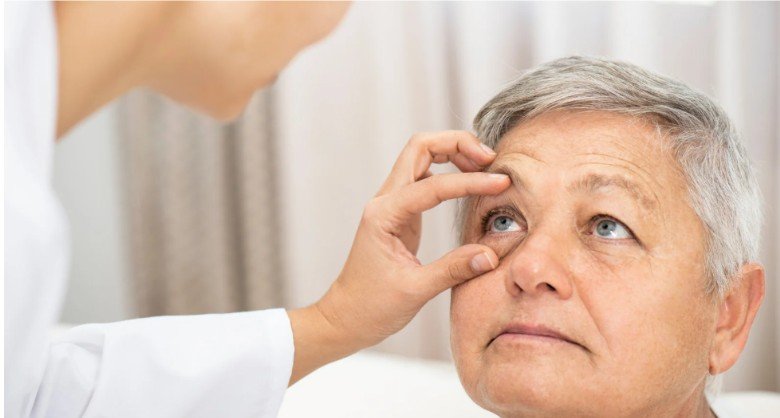
Arrange a routine examination when symptoms persist despite hydration, recur frequently, or do not clear after blinking. An eye professional can assess the cornea, tear film, eyelids, prescription, and underlying health factors.
Hydrate, Blink, But Do Not Blame Every Blur
So, can dehydration affect eyesight and eye health? Yes. It can destabilize the tear film, worsen dry-eye symptoms, and contribute to temporary blur. It may also affect vision indirectly when blood pressure falls.
My rule is simple: hydrate, blink fully, and reassess mild fluctuating symptoms. When blur persists, becomes painful, affects one eye, or arrives with flashes, floaters, or a shadow, skip the water-bottle theory and get your eyes checked.
Frequently Asked Questions
1. Can dehydration affect eyesight and eye health permanently?
Mild dehydration usually causes temporary symptoms, but persistent or sudden vision changes may indicate another condition.
2. Can drinking water improve dry eyes?
It may help when low fluid intake contributes, but chronic dry eye often needs additional treatment.
3. How quickly can dehydration affect vision?
Symptoms may appear during heat, illness, exercise, or long periods without fluids, but timing varies.
4. Can dehydration cause flashes and floaters?
Do not assume so. New flashes, many floaters, or a curtain over vision require urgent eye care.