When I assess sun protection, I look for the gap people miss: sunglasses worn only on hot days. Learning how to protect eyes from UV rays year round means using protection during winter walks, cloudy commutes, beach trips, and mountain vacations.
UV radiation is invisible, so temperature and brightness are poor safety tests. Thin or broken clouds may still allow substantial UV through. Pavement, water, sand, ice, and snow can also redirect rays toward the eyes.
Why UV Eye Protection Matters in Every Season
Repeated UV exposure can injure the cornea and contribute to cataracts, pterygium, eyelid cancers, and other eye damage. Exposure accumulates, making daily protection more reliable than a summer-only habit.
Winter is not a free pass. EPA data shows that snow may reflect up to 80% of UV. Sand reflects about 15%, while water reflects about 10%. UV also rises roughly 2% for every 1,000 feet of elevation.
The core rule for how to protect eyes from UV rays year round is simple: verify the lenses, cover side gaps, and adjust for reflection.
Year-Round UV Eye Protection at a Glance
This table condenses guidance from the AAO, AOA, CDC, and EPA.
| Situation | Best protection | Main benefit |
| Everyday outdoor activity | UV400 or 100% UV-blocking sunglasses | Blocks UVA and UVB |
| Driving or boating | UV-rated polarized sunglasses | Reduces reflected glare |
| Beach or pool | Wraparound sunglasses and a wide-brimmed hat | Limits side exposure |
| Snow or high altitude | Close-fitting UV-rated glasses or goggles | Counters reflected UV |
| Contact-lens wear | UV-blocking contacts plus sunglasses | Covers more than contacts alone |
A fast answer to how to protect eyes from UV rays year round starts with matching your protection to the setting.
Choose Sunglasses That Block UVA and UVB Rays
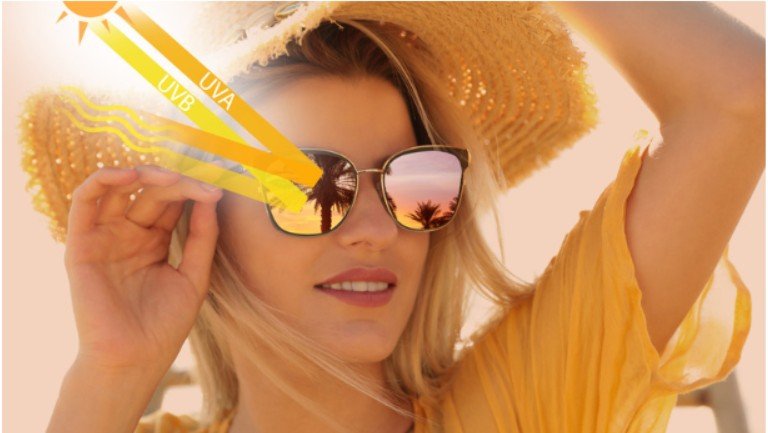
Check the UV Label, Not the Lens Darkness
The first step in how to protect eyes from UV rays year round is checking for “UV400,” “100% UV protection,” or “100% UVA and UVB protection.”
The American Academy of Ophthalmology recommends using the label rather than price, tint, or brand as your test.
Dark lenses are not automatically safer. Tint controls visible brightness, while a UV filter controls ultraviolet radiation. Lens color, mirrored finishes, and designer logos do not prove UV performance.
Improve Coverage and Control Glare
Small frames leave openings above, below, and beside the lenses. I favor close-fitting wraparound or oversized frames for longer outdoor periods. CDC guidance also recommends wraparound sunglasses that block UVA and UVB rays.
Polarized lenses reduce glare from roads, water, snow, and vehicles. They can improve comfort and visibility, but polarization does not guarantee UV protection. Confirm that the glasses also carry a UV400 or 100% UV label.
Build a Three-Layer UV Shield
I use three layers when explaining how to protect eyes from UV rays year round. The lens filters UV, the frame and hat cover gaps, and environmental awareness determines when extra protection is needed.
Add a Hat and Protect the Skin Around Your Eyes
Choose a wide-brimmed hat that shades the eyes, face, ears, and neck. A brim around three inches or wider provides broader coverage than a narrow cap. Sunglasses remain necessary because reflected UV can arrive from below.
Apply broad-spectrum, water-resistant SPF 30 or higher to exposed skin around the eyes without putting it into the eyes. Mineral formulas containing zinc oxide or titanium dioxide may suit sensitive skin. Sunscreen supports sunglasses and a hat; it does not replace them.
Use UV-Blocking Contacts Only as Backup
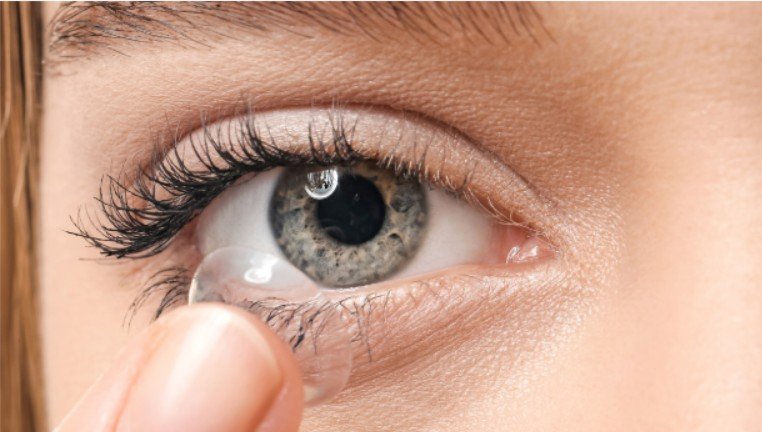
Some contact lenses contain UV-absorbing filters. However, they protect only the covered portion of the eye and leave the eyelids and surrounding skin exposed.
Wear UV-rated sunglasses over contact lenses whenever you are outdoors.
Try the 30-Second Door Check
Before going outside, I ask three questions:
Does my eyewear have a verified UV label? Does the frame cover the sides? Will snow, water, sand, concrete, elevation, or midday sun increase exposure?
This quick check turns how to protect eyes from UV rays year round into an automatic habit rather than a seasonal task.
Change Your Protection With the Environment
Spring and Summer UV Risks
UV levels often rise through spring and summer while people spend more time outdoors. Wear UV400 wraparound sunglasses for sports, yard work, swimming, driving, and errands.
Add polarization near water or glare-heavy roads, but verify the UV rating first.
Seek shade when possible between 10 a.m. and 4 p.m. The EPA states that nearly half of daytime UV exposure occurs during this period. Reflected rays may still reach your eyes while you are under an umbrella or canopy.
Fall, Winter, Snow, and Altitude
Low autumn sun can create harsh glare during morning and evening commutes. Keep UV-rated sunglasses where you can reach them easily.
During winter, use close-fitting UV-rated eyewear or goggles around snow, ice, and mountains. Photokeratitis, sometimes called snow blindness, is a painful corneal injury linked to intense UV exposure and reflection. Cold air does not prevent it.
This seasonal approach to how to protect eyes from UV rays year round focuses on surfaces, altitude, clouds, and timing—not temperature alone.
Daily Habits That Prevent UV Eye Damage
Check Timing, Medicines, and Direct-Sun Risks
Daily planning completes how to protect eyes from UV rays year round. Check the UV Index before long outdoor activities. A higher number means stronger UV and a greater need for shade, coverage, or a schedule change.
Some oral and topical medicines can increase UV sensitivity. Examples include certain antibiotics, diuretics, birth control pills, and acne treatments.
Read medication warnings and ask a pharmacist whether you need added precautions. Never stop prescribed medicine without professional advice.
Ordinary sunglasses do not make direct sun viewing safe. Looking at the sun can permanently injure the retina, including during an eclipse. Use certified eclipse viewers and follow official viewing instructions.
Know When Your Eyes Need Professional Attention
Even when you know how to protect eyes from UV rays year round, preventive care still matters. Regular examinations can identify cataracts, surface changes, prescription problems, and other concerns.
For age- and risk-based guidance, read how often should healthy adults get eye exams.
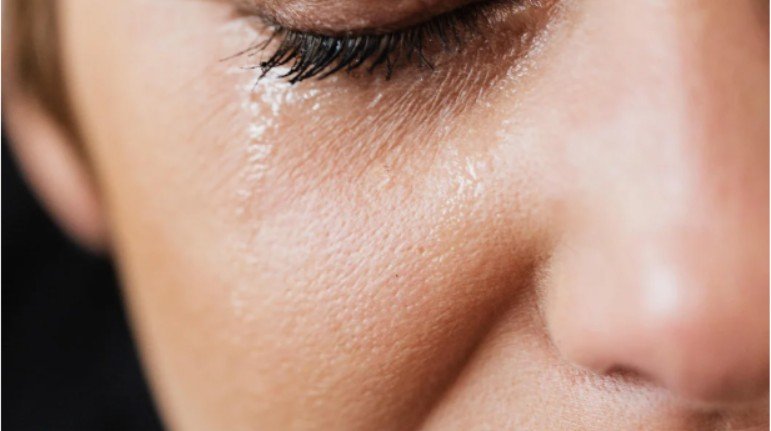
Seek prompt eye care after intense exposure if you develop severe pain, marked light sensitivity, excessive tearing, redness, blurred vision, or a gritty sensation. These symptoms may occur with photokeratitis.
Frequently Asked Questions
1. What is the easiest way to understand how to protect eyes from UV rays year round?
Wear verified UV400 wraparound sunglasses outdoors, then add a hat near reflective surfaces.
2. Do I need sunglasses on cloudy days?
Yes. Clouds do not remove all UV, and reflected radiation can still reach your eyes.
3. Are polarized sunglasses enough?
Only when the lenses also state UV400, 100% UV protection, or complete UVA and UVB protection.
4. Can UV-blocking contacts replace sunglasses?
No. Contacts cover only part of the eye and do not protect the eyelids or surrounding skin.
Your Eyes Do Not Care What Season It Is
The calendar is not protective equipment. The reliable approach to how to protect eyes from UV rays year round is to verify the label, close the frame gaps, and respect reflection.
Check your sunglasses today. If the UV rating is missing, replace them or ask an optical shop to test them. Then place the pair beside your keys so protection becomes automatic, not optional.