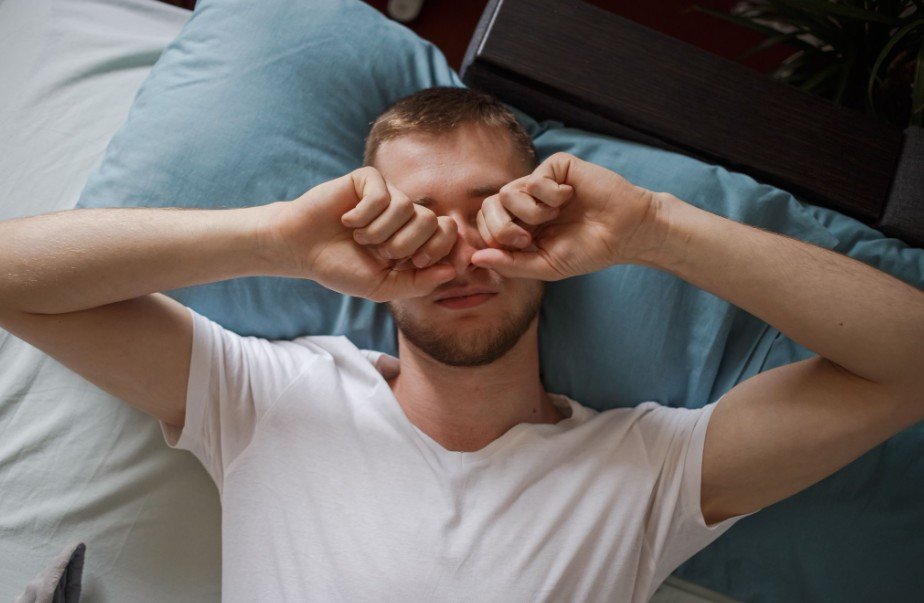
A quick nap can feel harmless, especially when it lasts only 10 or 20 minutes. Still, can you nap in daily disposable contacts without putting your eye health at risk? The safest answer is no. Unless your eye doctor prescribed your exact lenses for overnight wear, remove them before closing your eyes.
Taking out a fresh pair before a lunch break, flight, commute, or afternoon rest may feel wasteful, but that inconvenience is minor compared with an eye infection.
Is a 10-, 15-, or 20-minute nap with contacts safe?
A short nap involves less exposure than sleeping overnight, but it is not risk-free. The CDC includes napping when warning about sleeping in contact lenses and reports that sleeping in contacts increases the risk of a lens-related eye infection six to eight times.
When your eyelids close, your eyes receive less oxygen, blinking stops, tears stop spreading normally, and microorganisms can remain trapped against the cornea. Previous trouble-free naps do not make the next one safe.
Why does sleeping in daily contacts reduce oxygen?
The cornea has no blood vessels supplying oxygen in the usual way. It receives much of its oxygen from the surrounding air. Your eyelids reduce that supply during sleep, while a contact lens creates another barrier.
This shortage, called corneal hypoxia, may cause swelling, temporary blurred vision, discomfort, or halos around lights. Repeated episodes can make lens wear less comfortable.
Many daily disposables are thin and lightweight, but thinness does not make them sleep-safe. Their approved wearing schedule matters more than marketing claims.
Can a nap in contacts cause an infection or corneal ulcer?
Sleeping creates a warm, closed environment where bacteria and other microorganisms can stay beneath the lens. Dryness, reduced oxygen, and minor surface damage may also weaken the cornea’s defenses.
This can contribute to microbial keratitis, an infection of the cornea. A serious infection may cause a corneal ulcer, or open sore on the eye. Without prompt care, a severe ulcer may cause scarring, reduced vision, or permanent vision loss.
The FDA advises users not to sleep in daily-wear lenses because doing so may increase infection or irritation. Even extended-wear lenses carry additional infection risk during sleep.
Why do contacts feel stuck after a nap?
Blinking refreshes the tear film and helps the lens move smoothly. During sleep, the eye surface becomes drier, so the lens may tighten and adhere more closely to the eye. This creates a “suction” feeling.
Never yank out a dry contact. Forceful removal may irritate or damage the corneal epithelium, the eye’s delicate outer layer. Rehydrate the lens first and wait until it moves freely.
What should you do after accidentally napping in daily contacts?
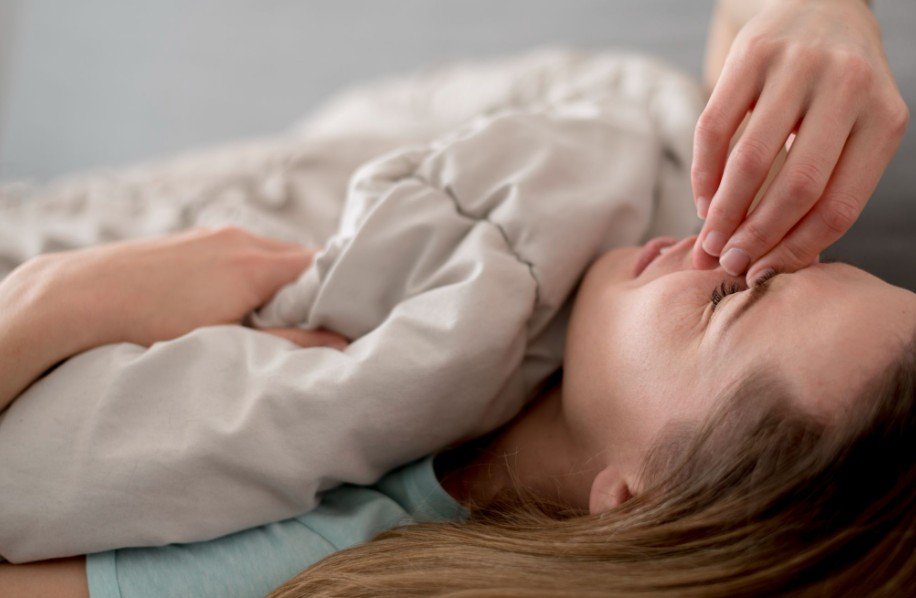
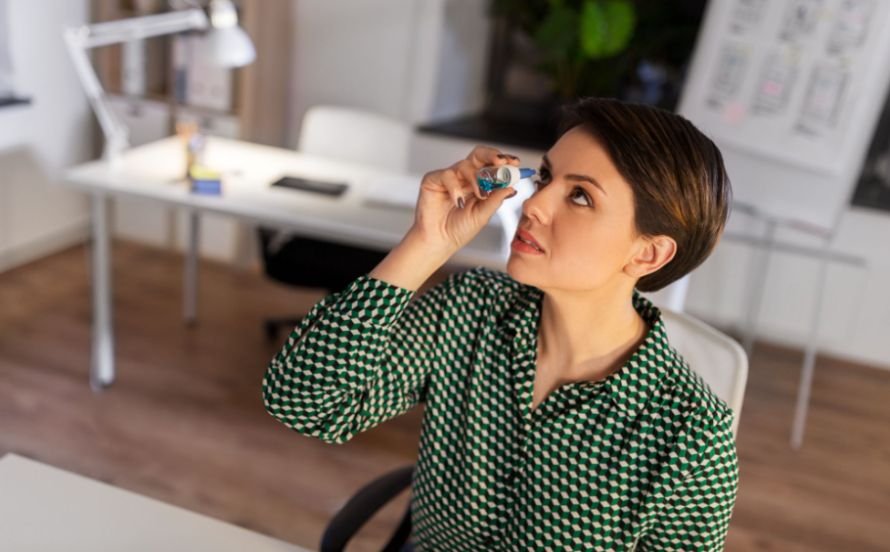
Wash and dry your hands. Blink slowly, then apply sterile lubricating drops, artificial tears, or rewetting drops labeled as safe for contacts.
Because formulas have different ingredients and usage instructions, first check can you use eye drops while wearing contacts and confirm that the product is specifically labeled as contact-lens compatible. Wait several minutes and check whether the lens moves.
Once it loosens, remove it carefully and throw it away. Do not rinse it, place it in solution, or reinsert it.
Even with reusable lenses, understanding can you reuse contact lens solution is essential because old or topped-off solution may contain microorganisms and no longer disinfect lenses effectively.
Daily disposables are single-use medical devices, not products for cleaning, storage, or repeated wear. Poor habits can allow deposits and microorganisms to accumulate. The FDA states that disposable lenses should be worn for one day and then thrown away.
Wear glasses for the rest of the day if your eyes feel dry, red, gritty, or irritated. Never use tap water or saliva to loosen a contact because both can expose your eye to microorganisms.
Can you put in a fresh pair later that day?
You may be able to wear a fresh pair later if your eyes feel completely normal, but a contact-free break is safer. Do not insert another lens while redness, pain, light sensitivity, tearing, discharge, or blurred vision continues.
Contact an optometrist or ophthalmologist when symptoms do not improve after lens removal.
When should you seek urgent eye care?
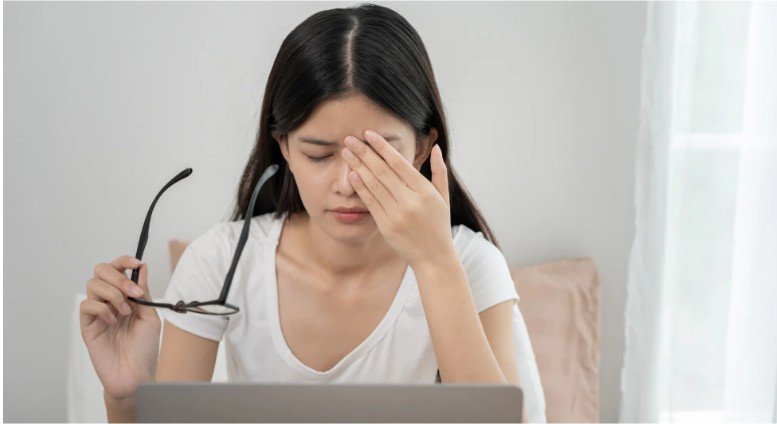
Call an eye doctor promptly for moderate or severe pain, increasing redness, light sensitivity, persistent blurred or reduced vision, excessive tearing, discharge, swelling, or the feeling that something remains in your eye.
Severe pain or a sudden vision change requires urgent evaluation because corneal infections can worsen quickly.
Are any contact lenses safe to sleep in?
Some extended-wear soft lenses and certain rigid lenses have FDA approval for sleep when prescribed by an eye care professional. “Daily disposable” refers to replacement after one use, while “extended wear” describes a schedule that may include sleep.
Do not assume your lenses are sleep-approved because they feel comfortable or allow high oxygen transmission. Follow the instructions for your exact brand and prescription. The American Optometric Association notes that sleeping in contacts increases infection risk even with overnight approval.
Frequently asked questions
1. Should you throw away daily contacts after a nap?
Yes. Remove and discard the pair after it loosens. Daily disposables should not be cleaned, stored, or reinserted.
2. Can eye drops make a stuck contact easier to remove?
Contact-safe rewetting drops or lubricating artificial tears can rehydrate a dry lens. Avoid tap water, saliva, and drops not approved for contacts.
3. What happens if you accidentally sleep in contacts once?
You may experience dryness, redness, blurry vision, halos, or a stuck lens. Remove and discard it, switch to glasses, and seek care if pain, discharge, light sensitivity, redness, or vision changes persist.
4. Can you nap in daily contacts on an airplane?
Airplane cabins are dry, so sleeping in contacts may leave them tight and uncomfortable. Remove them before resting and use backup glasses.
The bottom line
So, can you nap in daily disposable contacts if you only plan to rest briefly? I would not take the chance. A short nap still reduces oxygen, stops blinking, dries the lens, and creates conditions that encourage irritation or infection.
Remove your contacts before sleeping, discard daily disposables after removal, and keep backup glasses nearby. After an accidental nap, loosen the lenses with contact-safe drops, remove them gently, rest your eyes, and act quickly if warning symptoms appear.