

A smart eye-health diet should do more than add carrots to dinner. The best foods for retinal and macular health provide lutein, zeaxanthin, omega-3 fats, vitamins A, C, and E, and zinc.
When I assess an eye-supportive meal, I use one simple rule. I combine a dark-green or colorful plant with protein and healthy fat. This creates a stronger nutrient mix than chasing one supposed superfood.
Why the Retina and Macula Need Several Nutrients
The retina converts incoming light into signals the brain can interpret. The macula sits near the retina’s center and supports detailed central vision. You rely on it while reading, driving, identifying faces, and completing close-up tasks.
Lutein and zeaxanthin accumulate in the macula and form part of its yellow pigment. Research describes these carotenoids as antioxidants and blue-light filters. However, no food can guarantee protection from retinal disease.
Vitamin A supports normal vision. Vitamins C and E contribute to antioxidant defenses, while zinc supports many cellular processes. The best foods for retinal and macular health therefore work as a varied dietary pattern, not as isolated cures.
Quick Table: Eye-Supporting Foods
| Food group | Key nutrients | Easy serving idea | Main nutritional role |
| Kale, spinach and collards | Lutein and zeaxanthin | Add to eggs, soup or pasta | Supports macular pigment |
| Salmon, sardines and trout | DHA and EPA | Bake or add to salads | Supplies long-chain omega-3 fats |
| Eggs | Lutein, zeaxanthin and zinc | Pair with spinach or peppers | Combines carotenoids with dietary fat |
| Citrus, berries and peppers | Vitamin C | Eat fresh or serve with yogurt | Supports antioxidant intake |
| Sweet potatoes and carrots | Beta-carotene | Roast with olive oil | Supplies provitamin A |
| Almonds and sunflower seeds | Vitamin E | Use as a snack or topping | Adds a fat-soluble antioxidant |
| Beans and lentils | Zinc, protein and fiber | Add to soups or grain bowls | Supports plant-forward variety |
This table shows why the best foods for retinal and macular health come from several food groups. A varied plate covers more nutritional ground than a single supplement or vegetable.
Dark Leafy Greens for Lutein and Zeaxanthin
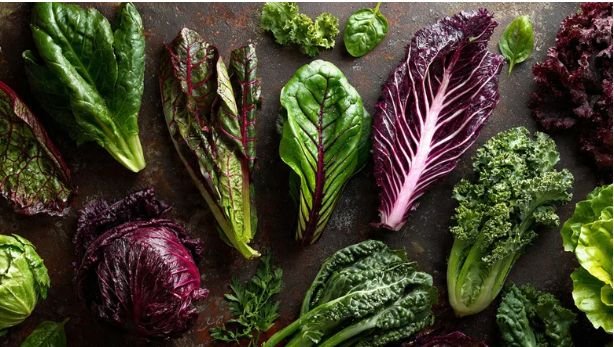
Kale, spinach, collard greens, Swiss chard, romaine, broccoli and peas provide lutein and zeaxanthin. The American Academy of Ophthalmology highlights leafy greens as useful choices for supporting eye health.
I make greens easier to eat by placing them inside familiar meals. Spinach works in scrambled eggs. Kale blends into soup. Chopped collards can replace some lettuce in a salad or sandwich.
Lutein and zeaxanthin are fat-soluble. Pairing greens with olive oil, avocado, nuts, seeds or eggs may improve their absorption. Research reviews identify dietary fat as relevant to carotenoid bioavailability.
That simple pairing makes leafy greens some of the best foods for retinal and macular health without requiring expensive ingredients or complicated recipes.
Fatty Fish and Omega-3 Fats
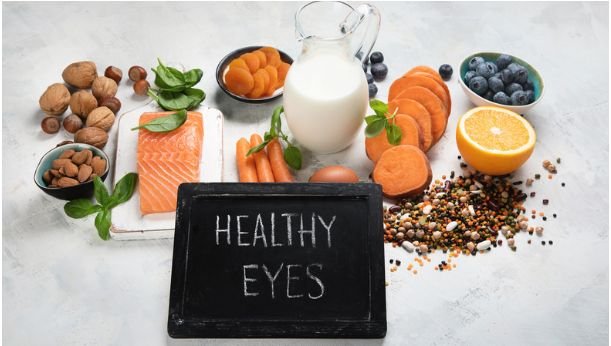
DHA is an important fatty acid in retinal tissue. Salmon, sardines, herring, mackerel and trout provide DHA and EPA directly. NIH guidance lists cold-water fish among the main food sources of long-chain omega-3 fats.
I prefer fish as one part of a balanced meal rather than treating it as a stand-alone remedy. Salmon with broccoli and sweet potato supplies omega-3 fats, carotenoids, vitamin C and beta-carotene in one plate.
One distinction matters. Fish can support a nutritious dietary pattern, but AREDS2 found that adding omega-3 supplements did not reduce AMD progression. Foods and supplements should not be treated as interchangeable.
That evidence-based distinction improves any list of the best foods for retinal and macular health.
Eggs and Colorful Produce

Eggs rank among the best foods for retinal and macular health because their yolks contain lutein and zeaxanthin in a naturally fat-containing food. They also provide modest amounts of zinc and vitamin E. Scientific reviews list egg yolks among common dietary sources of macular carotenoids.
My practical breakfast combination is eggs with spinach and red bell pepper, followed by an orange or a serving of berries. It places several eye-supporting nutrients into one simple meal.
Orange vegetables provide beta-carotene, which the body can convert into vitamin A. Sweet potatoes, carrots, pumpkin and winter squash are useful options. For vitamin C, I rotate citrus, strawberries, kiwi, broccoli and red peppers.
Berries remain nutritious, but claims that they directly improve night vision are uncertain. I would describe them as antioxidant-rich foods, not as treatments for visual symptoms.
Nuts, Seeds, Beans and Zinc-Rich Foods
Almonds and sunflower seeds are strong vitamin E sources. Beans, lentils, chickpeas, eggs, dairy products, meat, fish and fortified cereals can provide zinc. Oysters contain especially high amounts of zinc.
A small handful of almonds with fruit makes a practical snack. Chickpeas with spinach, red pepper and olive oil create a balanced plant-forward lunch.
Vegetarians may absorb less zinc from some plant foods because phytates bind the mineral. Soaking beans, grains and seeds before cooking may improve zinc bioavailability.
These choices broaden the best foods for retinal and macular health beyond fish and leafy vegetables.
My Four-Part “Retina Plate”

My original approach uses four parts:
One pigment-rich plant + one vitamin C food + one healthy fat + one protein source
A worked example is spinach, red bell pepper, olive oil and salmon. A vegetarian version could contain kale, orange slices, avocado and lentils.
This formula prevents a common mistake. Someone may eat one eye-friendly food while the rest of the meal lacks variety. The formula also makes the best foods for retinal and macular health easier to repeat across breakfast, lunch and dinner.
You do not need to include every nutrient at every meal. Instead, aim for variety across the day and week.
Diet, Diabetes and Retinal Risk
Nutrition matters, but retinal health also depends on blood glucose, blood pressure, smoking status and routine dilated eye examinations.
Diabetes can damage the retina’s blood vessels before a person notices obvious vision changes. The National Eye Institute states that the early stages of diabetic retinopathy usually have no symptoms.
People with diabetes or prediabetes should also understand how diabetes affects eyesight before symptoms appear. Food supports medical care, but it cannot replace glucose management, recommended screening or treatment.
When AREDS2 Supplements Make Sense
A discussion of the best foods for retinal and macular health should not suggest that every reader needs an eye supplement.
AREDS2 is not a general eye-health multivitamin. The National Eye Institute reports that the formula can reduce progression from intermediate to advanced AMD by about 25% in appropriate patients. It does not prevent AMD from developing.
The current AREDS2 formula replaces beta-carotene with lutein and zeaxanthin. This is particularly relevant for current and former smokers because beta-carotene supplements increased lung cancer risk in those groups.
Anyone considering high-dose zinc or antioxidant supplements should consult an ophthalmologist. The products may interact with medications or be unnecessary for a person’s disease stage.
For most healthy adults, whole foods remain the sensible starting point.
Your Macula Called—Upgrade the Plate
The best foods for retinal and macular health are familiar and widely available. Begin with leafy greens, colorful produce, eggs, fatty fish, nuts, seeds and legumes. Combine them rather than depending on one food alone.
My suggested next step is simple. Add one dark-green vegetable and one orange or red food to tomorrow’s meals. Then repeat the habit and keep your routine eye-exam appointments.
Contact an eye-care professional promptly if you develop new central distortion, blurred areas or dark spots. AMD symptoms can change as the condition progresses.
Frequently Asked Questions
1. What are the best foods for retinal and macular health for older adults?
Leafy greens, fish, eggs, colorful produce, nuts, seeds and legumes offer a broad mix of carotenoids, vitamins, minerals and healthy fats.
2. Can food reverse macular degeneration?
No. Food cannot reverse AMD, although a nutritious diet supports general health and AREDS2 may slow progression in certain diagnosed patients.
3. How often should I eat fish for retinal health?
Include fish regularly within a balanced diet, while considering allergies, pregnancy guidance, mercury exposure and personal medical needs.
4. Are carrots enough to protect the retina?
No. Carrots provide beta-carotene, but retinal health depends on a wider nutrient pattern, healthy habits and appropriate professional care.