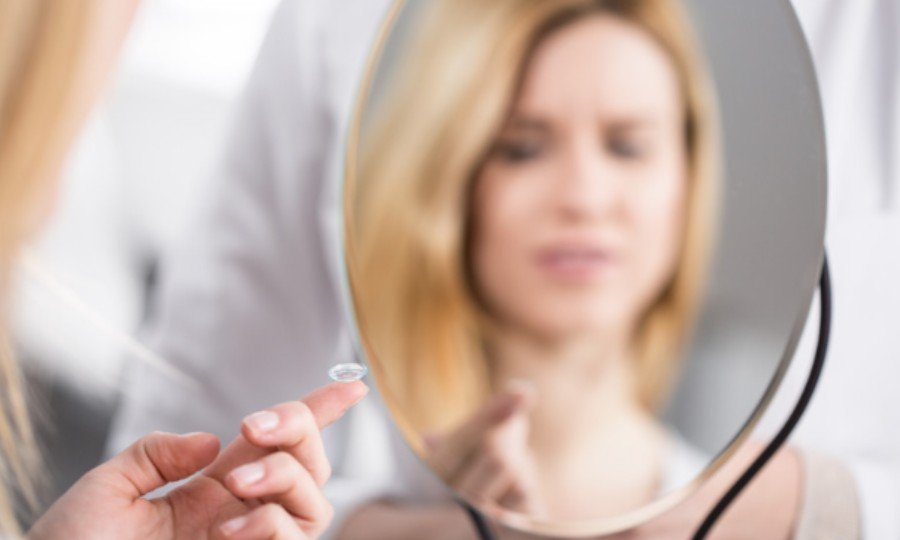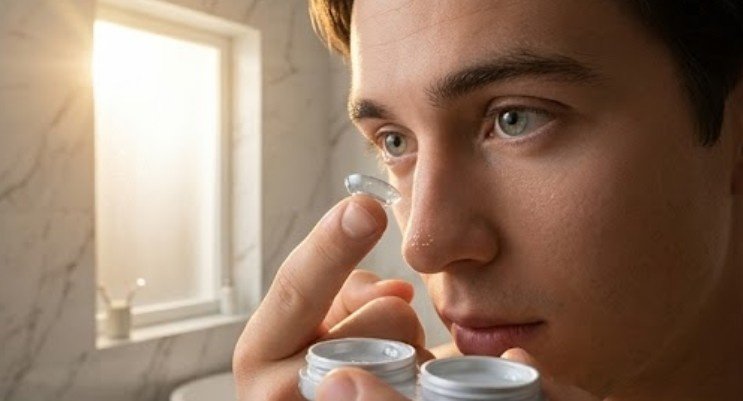
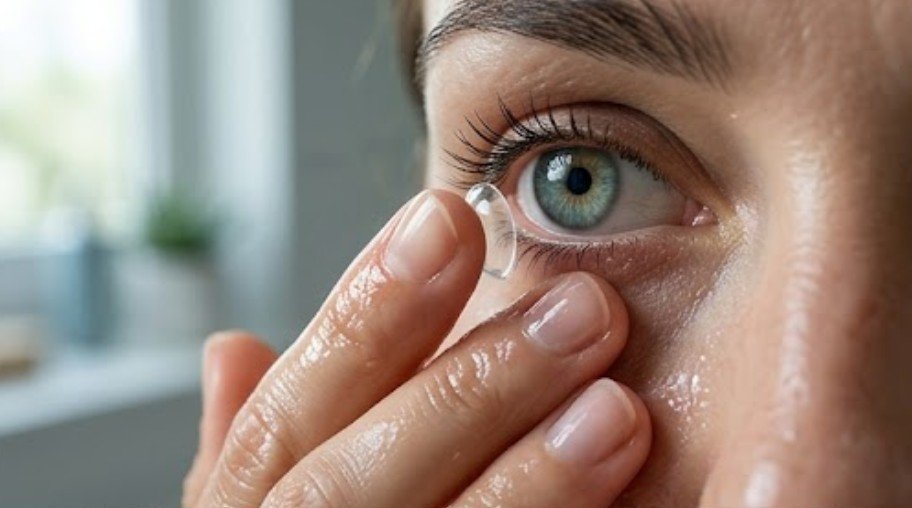
We all adore the incredible freedom and crisp, clear vision that soft contact lenses provide every single day. However, slipping these tiny optical flexible disks directly onto our delicate eyes requires continuous attention and proper daily maintenance. Following the core contact lens basic rules protects your corneas from dangerous bacterial infections, uncomfortable dryness, and long-term surface damage.
Key Takeaways
- Wash and dry hands thoroughly before touching eyes or handling lenses.
- Keep contacts away from water, including tap water, showers, and pools.
- Disinfect lenses daily using fresh multipurpose solution; never reuse old liquid.
- Adhere strictly to your optometrist’s prescribed lens wear and replacement timeline.
- Clean your storage case daily and swap it out every three months.
| Step | Description |
| Step 1: Prep | Wash hands with plain soap and dry thoroughly with a lint-free towel. |
| Step 2: Clean | Rub and rinse lenses with fresh contact lens solution. Never use water or saliva. |
| Step 3: Store | Fill the lens case with fresh solution each time. Replace the storage case every 3 months. |
Safety Warning: Never allow tap water or saliva to come into contact with your lenses or storage case. Water carries microscopic organisms like Acanthamoeba that can cause severe corneal infections and permanent vision impairment.
Why Knowing These Rules Is Essential?
Why should you bother memorizing contact lens basic rules right now? Because your eyes are delicate optical miracles that need direct oxygen and absolute cleanliness to stay healthy, bright, and pain-free every single day!
Skipping simple hygiene habits traps nasty bacteria against your cornea, turning clear sight into a red, swollen nightmare. Following basic safety guidelines keeps your eyes feeling fantastic so you can enjoy total visual freedom effortlessly.
Hygiene and Handling Fundamentals
Maintaining clean hands and proper handling techniques forms your primary defense against introducing harmful bacteria directly to your sensitive eye surface.
1. Wash Hands Thoroughly
Always scrub your hands with plain soap and warm water before touching your eyelids or handling your lenses. Avoid heavy liquid soaps that contain added perfumes, rich lotions, or essential oils, as these leave microscopic film layers on your fingertips that transfer straight onto the lens.
Dry your hands completely with a clean, lint-free cloth or fresh paper towel prior to handling. Stray fabric threads or lingering moisture drops stuck on your fingers can easily cause sharp eye irritation or introduce harmful pathogens under the lens material.
2. Avoid Water Exposure
Never expose your soft lenses or storage equipment to tap water, bottled water, distilled water, or saliva under any circumstances. Municipal tap water contains microscopic parasites that thrive in moist environments and can cause sight-threatening corneal ulcers.
Remove your lenses immediately if you accidentally splash water in your eyes while washing your face. Keep contacts completely isolated from unsterilized liquids to protect your eyes from serious infections.
3. Use Fresh Solution Only
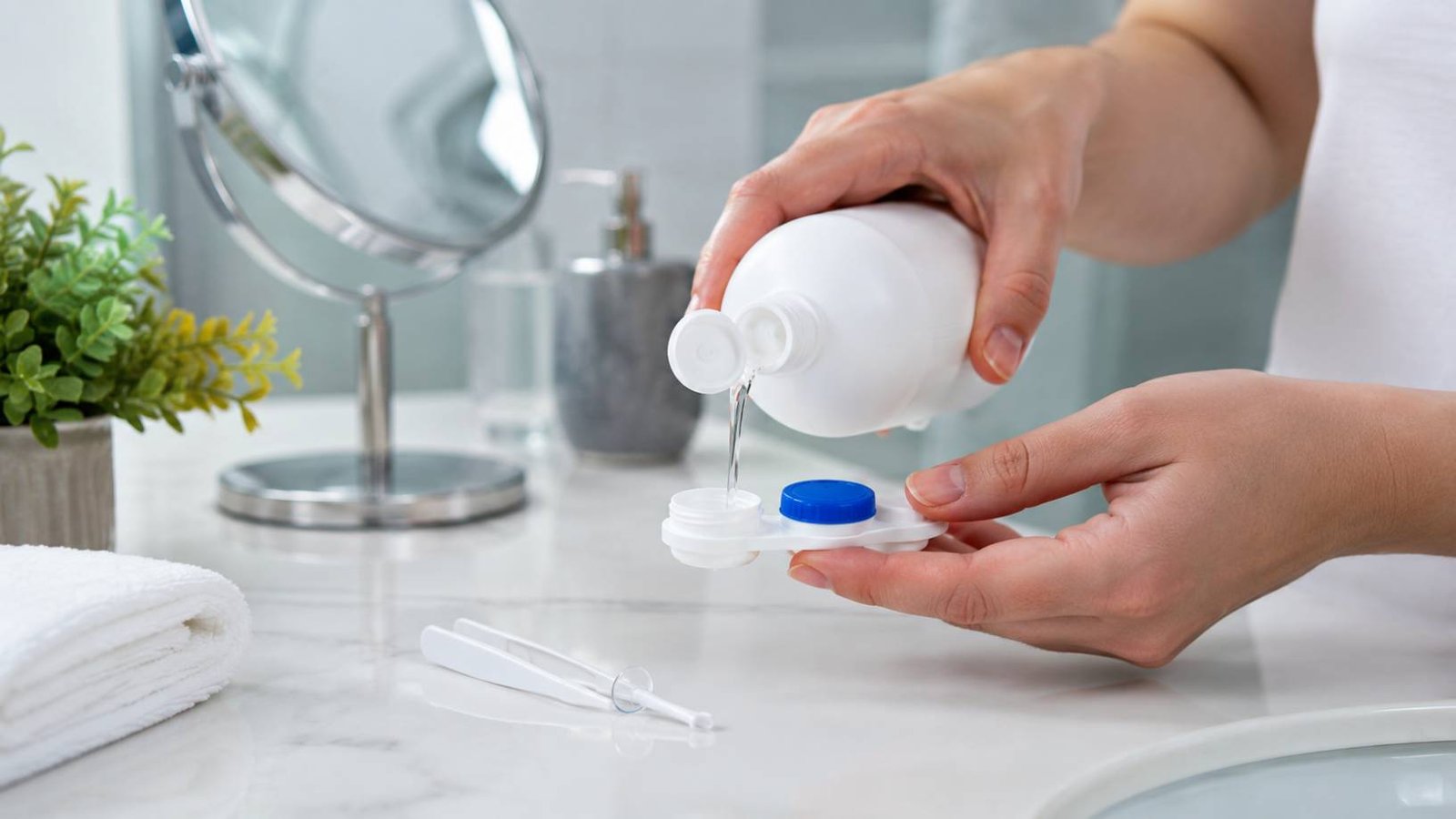
Always dump out used liquid from your storage case and refill it with fresh, sterile multipurpose contact lens solution every night. Topping off old solution dilutes active disinfecting ingredients, allowing trapped bacteria to multiply rapidly inside the case overnight.
Never transfer your cleaning solution into smaller, unsterilized plastic travel bottles. Always keep the main solution bottle cap tightly closed and avoid touching the nozzle tip to any surface to preserve complete liquid sterility.
Wearing and Replacing Protocols
Adhering strictly to prescribed wear times and replacing your lenses on schedule prevents chronic corneal oxygen deprivation and painful eye strain.
Following the right cleaning, fitting, and moisture-care habits also helps explain how to prevent blurry vision while wearing contact lenses, especially when dryness, deposits, or extended wear begin affecting visual clarity.
4. Respect the Replacement Schedule
Replace your daily disposables, bi-weekly pairs, or monthly lenses according to your optometrist’s precise calendar schedule. Attempting to stretch the usable life of older lenses causes microscopic material degradation, blocking essential oxygen from reaching your cornea.
Keep track of your replacement dates on your phone calendar or planner. Throw away worn daily lenses at night, and never wear monthly contacts beyond thirty calendar days after opening the original foil seal.
5. Avoid Sleeping in Lenses
Take your contact lenses out every single night before going to bed, unless your eye care specialist specifically prescribed extended overnight lenses. Closing your eyelids over soft contacts cuts off natural air circulation, creating a warm, oxygen-deprived space where bacteria multiply.
Sleeping in standard lenses significantly increases your overall risk of developing severe, painful corneal infections. Always remove your contacts before dozing off, taking quick afternoon naps, or relaxing on the couch.
6. Avoid Water Sports While Wearing Contacts
Take your contact lenses out before stepping into the shower, swimming in pools, soaking in hot tubs, or visiting lakes. Water sources harbor dangerous bacteria and chemicals that easily get trapped underneath the plastic lens against your eye surface.
If you need clear vision while swimming, invest in airtight prescription swim goggles to protect your eyes. Alternatively, wear daily disposable lenses under tight goggles and throw them away immediately after leaving the water.
Storage Care Guidelines
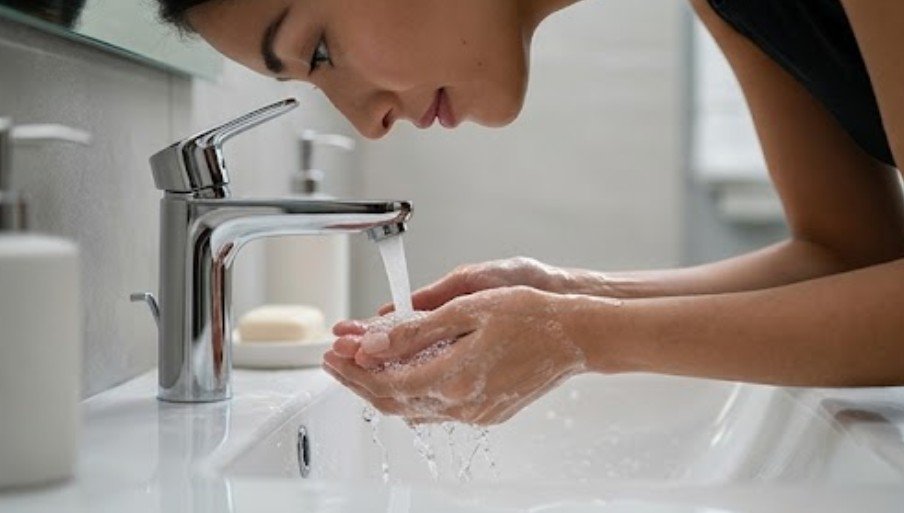
Proper maintenance of your plastic storage case is just as important as caring for the contact lenses themselves.
7. Clean the Storage Case Properly
Rinse out your empty plastic lens case using fresh, sterile contact lens solution after inserting your contacts each morning. Never use tap water or sink water to rinse your storage well, as water leaves behind invisible bacterial deposits inside the plastic wells.
Leave the empty case open and place it upside down on a clean paper towel to air dry completely during the day. Allowing the interior wells to air dry prevents ambient moisture from supporting fungal growth inside the container.
8. Replace the Storage Case Regularly
Swap out your old contact lens storage case for a brand-new one at least once every three months. Over time, invisible bacterial biofilms build up inside the plastic wells that normal rinsing simply cannot eliminate.
Throw your old case away immediately if the plastic cracks, becomes cloudy, or gets contaminated. Most multipurpose solution bottles include a free storage case, making regular replacement simple and convenient.
Real-World Tips for Following These Rules
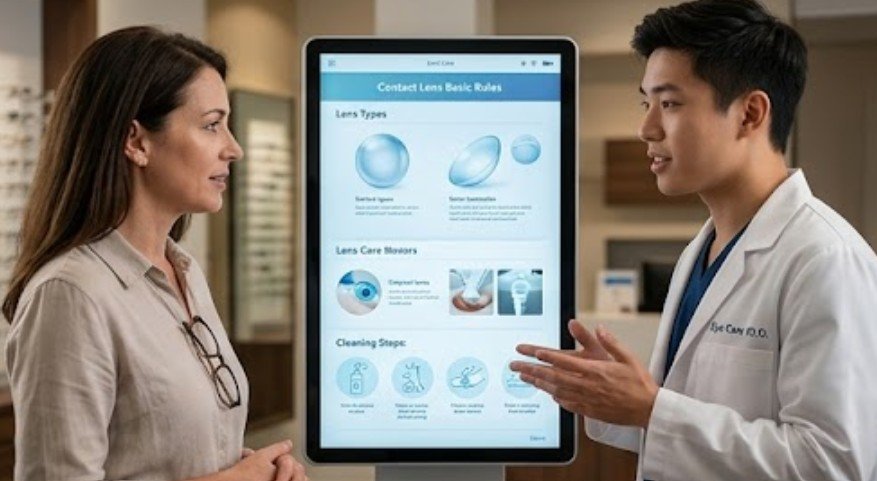
Applying contact lens basic rules during your busy routine keeps your eyes comfortable without slowing down your day.
First, adjust your morning skincare routine by inserting your contact lenses or before applying eye shadow, eyeliner, or mascara. Inserting lenses first stops fine powders, liquid makeup flakes, and mascara oils from getting trapped beneath the soft lens. In the evening, always remove your lenses before wiping away cosmetics or applying facial cleansers.
Second, build a compact travel safety kit to carry in your bag, backpack, or vehicle whenever leaving home. Include a travel-sized bottle of disinfecting solution, a clean storage case, rewetting drops, and your backup pair of prescription glasses.
Having backup glasses readily available ensures you never have to suffer through wearing damaged, dirty, or painful contacts.
Finally, pay close attention to warning signs like unusual redness, persistent pain, light sensitivity, or blurry vision. Remove your contacts immediately at the first sign of discomfort and give your eyes a rest. If irritation or redness continues after removal, contact your optometrist right away for a professional evaluation.
Frequently Asked Questions
1. What is the 4 to 1 rule for contact lenses?
The 4 to 1 rule is a clinical guideline used by optometrists during lens fittings, adjusting lens power for every four diopters of astigmatism or sphere power.
2. Can I take a 20 minute nap with contacts in?
No, you should never nap or sleep while wearing standard soft contacts because it cuts off corneal oxygen transmission and raises infection risks.
3. What is the 3:1:1 rule for contacts?
The 3:1:1 rule refers to TSA liquid regulations for airport travel, allowing 3.4-ounce solution bottles in 1 clear quart bag per 1 passenger.
4. What are the rules for contact lenses?
Essential contact lens basic rules include washing hands, avoiding all water exposure, using fresh solution, following replacement schedules, and replacing cases quarterly.
Clear Eyes, Bright Future: Master These Rules Today!
Mastering these basic guidelines ensures your eyes remain healthy, clear, and totally pain-free for years to come. By practicing solid hand hygiene, avoiding water exposure, and respecting your replacement schedule, you protect your vision from harmful infections. Make these contact lens basic rules a daily habit, listen to your eyes, and enjoy comfortable sight every single day!