I know how frustrating it feels to put in contact lenses expecting crisp sight, only to discover that everything looks hazy, soft or inconsistent. Learning how to prevent blurry vision while wearing contact lenses begins with identifying when the problem appears.
Blurriness may result from dryness, deposits, incorrect insertion, an outdated prescription or a lens that does not fit properly. Minor causes can often be reduced through better wearing habits, but sudden or painful vision changes should never be ignored.
Why Contact Lenses Sometimes Make Vision Blurry
A contact lens must remain clean, centered and evenly hydrated to provide stable sight. When the tear film breaks up, the lens moves out of position or debris collects on its surface, light may no longer focus correctly.
Dryness is especially common during long screen sessions because people tend to blink less while concentrating. Air conditioning, fans, smoke, wind and low humidity can make the problem worse. Reusable lenses may also collect protein, oil, makeup and environmental particles when they are not cleaned or replaced correctly.
A prescription or fitting problem may produce more persistent blur. Eyes can change over time, while a lens that is too loose may shift whenever you blink. Toric lenses used for astigmatism can temporarily blur when they rotate before settling into position.
Quick Checks When Your Contacts Look Blurry

Blink Several Times
When repeated blinking temporarily improves clarity, dryness or an unstable tear film may be responsible. Use only lubricating or rewetting drops approved for contact lenses and follow the directions provided by your eye care professional.
Check Whether the Lens Is Inside Out
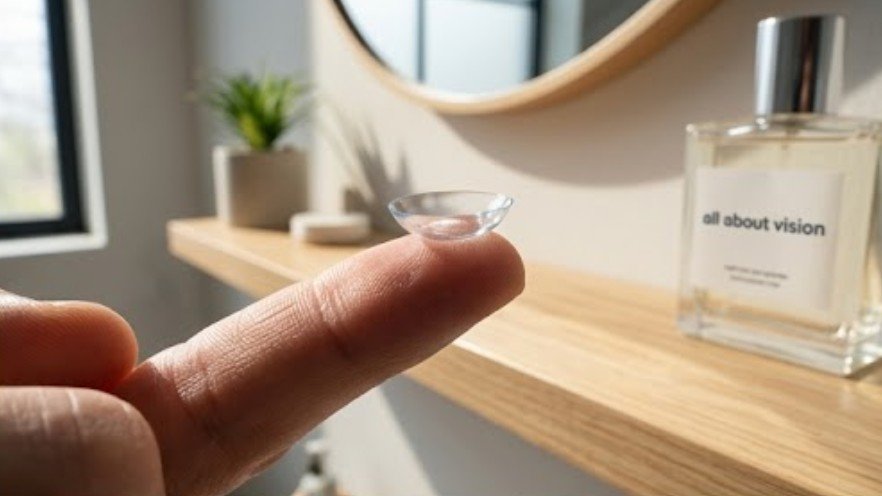
Remove the lens with clean, dry hands and place it on your fingertip. A correctly oriented soft lens normally resembles a smooth bowl with upright edges. Edges that flare outward may indicate that the lens is inside out.
Inspect the Lens Carefully
Look for makeup, lint, deposits, chips or tears. Never reinsert a damaged lens. Replace it with a fresh one instead of attempting to continue wearing it.
Confirm You Have the Correct Lens
People with different prescriptions in each eye may accidentally switch their lenses. Consistently inserting and removing the same side first can help prevent mix-ups.
Prevent Blurriness Before Inserting Your Lenses
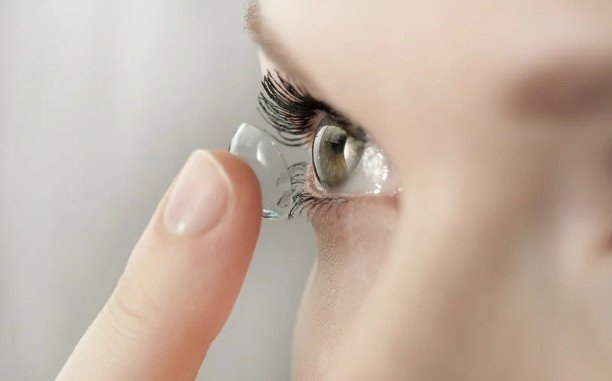
Wash your hands with soap and dry them using a clean, lint-free towel before touching your eyes or lenses. Oils, lotion, dust and fibers transferred from your fingers can create a cloudy film.
Inspect each lens under good lighting. Check its orientation, condition and cleanliness before insertion. Daily disposable lenses should be cleaned and disinfected with the solution recommended for them. Never use saliva or water to clean or store contact lenses.
Follow the replacement schedule exactly. A monthly lens does not automatically remain suitable for an extra month because it was worn only occasionally. Once a package has been opened, follow the replacement instructions and the schedule recommended by your eye care provider.
Keep Your Vision Clear During the Day

Reduce Screen-Related Dryness
Blink deliberately while using a computer or phone and take regular visual breaks. Looking away from a screen periodically can relax focusing muscles and remind you to blink normally.
Position the screen slightly below eye level when practical. This can reduce how widely the eyes remain open and may slow tear evaporation.
Avoid Direct Airflow
Do not sit with a fan, heater or air-conditioning vent blowing directly toward your face. Wraparound sunglasses may provide additional protection in windy or dry outdoor conditions.
Respect Your Wearing Time
Remove your lenses when they become dry, uncomfortable or difficult to see through. Keeping backup glasses nearby allows you to stop wearing contacts instead of pushing through worsening symptoms.
Do not nap or sleep in lenses unless your eye care professional has specifically prescribed them for overnight wear. Never continue wearing lenses longer than their recommended daily duration.
Clean Reusable Lenses Correctly
Fresh disinfecting solution should be used every time lenses are stored. Do not add new solution to liquid already sitting in the case, because topping off old solution can reduce effective disinfection.
Rub and rinse reusable lenses when required by their care instructions. Empty the case after use, clean it with the recommended solution and leave it open to air-dry. Replace the case regularly rather than waiting until it appears dirty.
Keep lenses away from shower water, swimming pools and hot tubs. Water exposure can introduce harmful microorganisms and may cause soft lenses to change shape or stick to the eye.
People who repeatedly experience deposit-related cloudiness can ask an eye care professional whether daily disposable lenses would be more suitable. Starting with a sterile new pair each day removes the need for overnight cleaning and storage.
Check Your Prescription and Lens Fit

Persistent blur that does not improve after cleaning, blinking or replacing the lens may indicate a prescription or fitting issue. A contact lens prescription includes more than focusing power. The lens design, diameter, curvature and material also influence how it sits on the eye.
A loose lens may move excessively, while a tight lens may feel uncomfortable and interfere with normal tear circulation. Regular eye examinations allow an optometrist or ophthalmologist to check your prescription, lens fit and overall eye health.
Toric and Multifocal Lens Blurriness
Toric lenses contain a stabilizing design that helps correct astigmatism. Sight may fluctuate when the lens rotates out of alignment. Frequent rotation or ongoing blur should be assessed rather than accepted as normal.
Multifocal intraocular lenses distribute vision correction across different zones for near, intermediate and distance tasks. Some adjustment may be expected, but persistent difficulty with reading, night driving or distance vision may require a modified prescription or another lens design.
Warning Signs That Need Prompt Attention
Remove your contacts immediately when blurred sight occurs with eye pain, marked redness, light sensitivity, excessive tearing or unusual discharge. Sudden blurriness that continues after lens removal also requires professional evaluation.
Do not rinse a painful eye and reinsert the same lens. Keep the lenses out and contact an eye doctor promptly. These symptoms can be associated with inflammation, corneal injury or infection and should not be treated as an ordinary dryness problem.
Frequently Asked Questions
1. What is the best way to learn how to prevent blurry vision while wearing contact lenses?
Begin with clean hands, correctly oriented lenses, proper disinfection, regular replacement, adequate blinking and an up-to-date professional fitting.
2. Why do my contacts become blurry after several hours?
The lenses may be drying out, collecting deposits or becoming unstable as the tear film weakens later in the day.
3. Why is only one contact lens blurry?
Possible causes include a switched prescription, an inside-out lens, debris, damage or a fitting issue affecting that eye.
4. Can I keep wearing contacts when my sight is blurry?
Remove them when blinking or approved drops do not restore clarity, especially when the problem is accompanied by discomfort, redness or pain.
Clearer Sight Starts With Better Habits
I have found that clear contact lens vision depends less on one quick trick and more on a reliable daily routine. Clean hands, fresh solution, timely replacement, screen breaks and regular eye examinations can prevent many common problems.
I would never ignore blur that appears suddenly or comes with pain, redness, discharge or light sensitivity. Removing the lenses and obtaining professional advice is always safer than continuing to wear them and hoping the problem disappears.