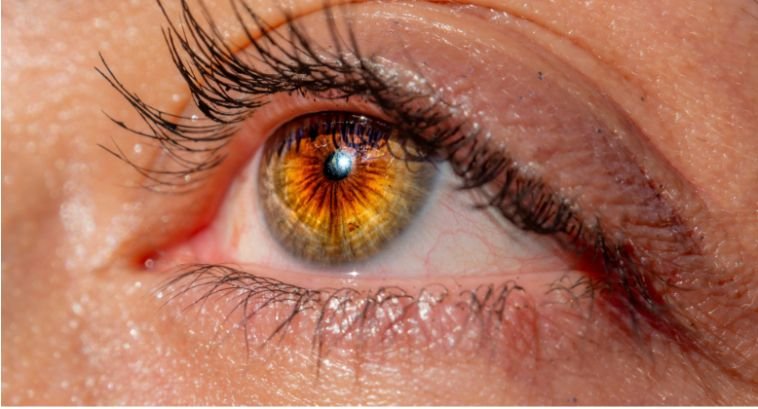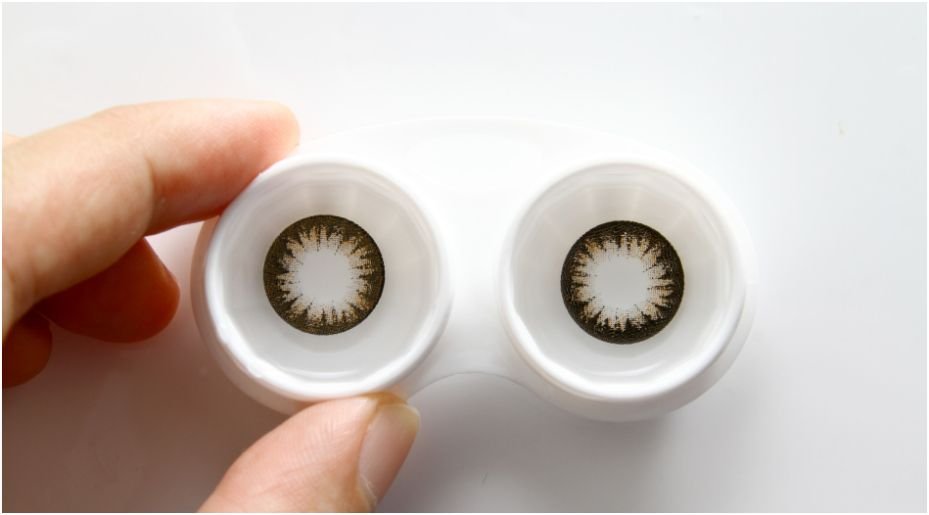
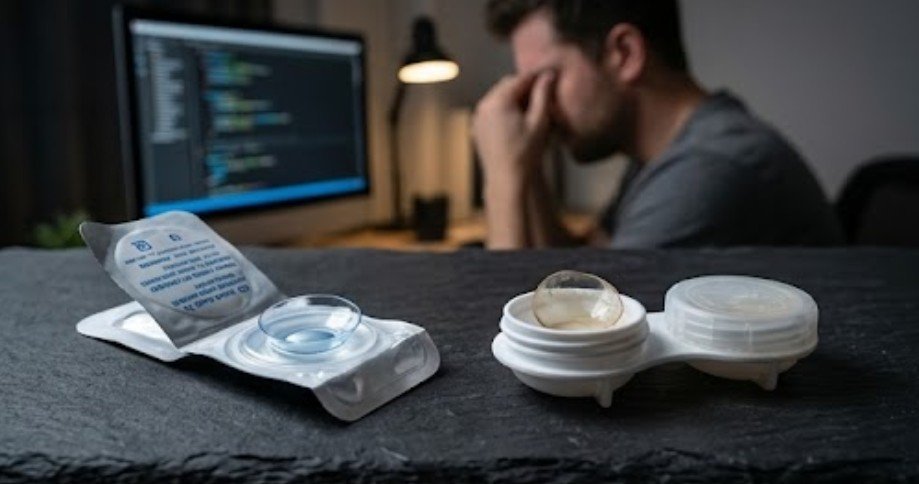
Daily disposable contact lenses offer the ultimate convenience for vision correction, but mid-day disruptions can leave you scrambling. Knowing how to clean daily contacts safely during an unexpected moment can protect your eyes from serious infections and discomfort.
Although daily disposable contact lenses are designed for single use and should be thrown away at the end of the day, emergencies happen. If you must temporarily remove them and put them back in, wash your hands, rub the lens gently in your palm with multipurpose solution, and soak in fresh solution.
Key Takeaways
- Single-use design: Daily contacts are meant for one-day use and must be tossed at night.
- No cleaning allowed: Attempting to wash dailies destroys the thin lens material and breeds harmful bacteria.
- Infection risks: Reusing daily lenses directly exposes your eyes to severe corneal ulcers and keratitis.
- Midday fixes: Use rewetting drops for dryness instead of removing and cleaning your daily lens.
- Always toss: If a daily contact falls out or gets dirty, throw it away and open a fresh blister pack.
Why Is Learning How to Clean Daily Contacts Necessary?
Curious why knowing how to clean daily contacts matters when you are supposed to toss them every night? Life is unpredictable, and dust, lashes, or accidental drops happen to everyone! Knowing the right emergency protocol keeps your eyes healthy when you cannot immediately grab a brand-new lens pack.
How to Clean Daily Contacts If You Must Reinsert
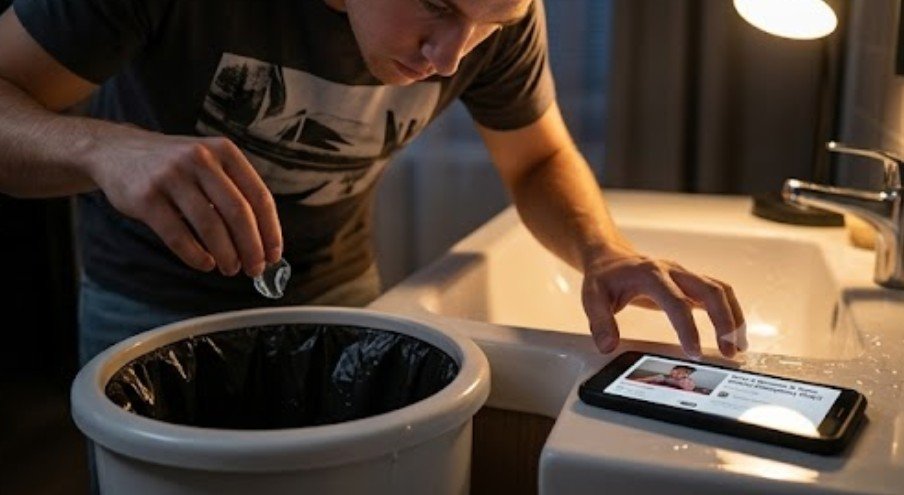
If you take your daily lenses out mid-day and plan to re-insert them later, proper cleaning is essential to avoid eye infections. Taking extra precautions during this process ensures that lingering debris or harmful bacteria do not make their way back onto your cornea.
Wash Your Hands Thoroughly
Before touching your eyes or contacts, you must establish a completely clean baseline. Use a mild, lotion-free soap, and dry your hands completely with a clean, lint-free towel before touching the lenses. Standard towels can transfer tiny fibers directly onto your soft lens surface, leading to scratchiness upon reinsertion.
The “Rub and Rinse” Method
Mechanical cleaning is necessary to break down built-up films on soft contact lenses. Place the contact in the palm of your hand and apply a few drops of a doctor-approved multi-purpose contact solution. Gently rub the lens with your index finger for 15 to 20 seconds to remove bacteria, protein, and debris.
Rinse the Lens Completely
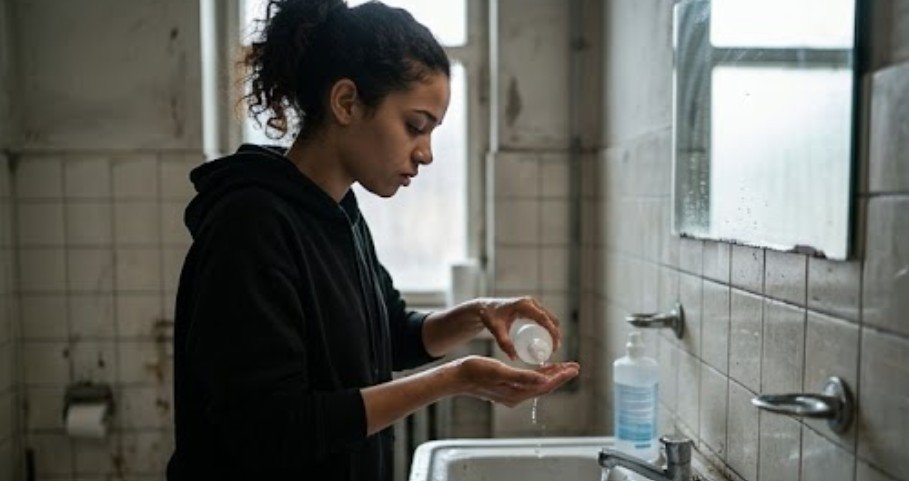
After loosening surface particles, you need to flush them away entirely. Pour fresh solution over the lens to wash away loosened debris. Never use tap water or saliva during this step, as non-sterile fluids introduce dangerous pathogens to the porous lens material.
Soak and Disinfect Properly
Disinfection takes time, so you must let the solution work before putting the lens back in. Place the lens in a clean case and submerge it fully in fresh, sterile contact solution. Allow it to rest so the active agents in the multipurpose solution can break down microorganisms effectively.
Always Use Fresh Solution
Reusing old contact solution severely compromises disinfection efficacy. Always use fresh solution and never “top off” old solution or reuse it, as it loses its disinfecting properties. Stagnant liquid quickly becomes a breeding ground for harmful microscopic organisms.
Important Safety Warnings for Daily Lens Users
While daily disposables provide phenomenal breathability and comfort, their thin construction demands strict care habits. Misusing them can increase your risk of corneal abrasions or long-term vision issues.
Never Use Tap Water
Water from the sink contains microscopic parasites like Acanthamoeba that cling aggressively to soft lenses. Exposing contact lenses to tap water, bottled water, saliva, or homemade saline can cause serious, vision-threatening infections. Always rely exclusively on sterile, doctor-approved multipurpose solutions.
Strictly Follow the Single-Use Rule
Daily contacts feature an ultra-thin matrix that breaks down rapidly after a full day of wear. True to their name, daily disposables are not meant for overnight storage and re-use on following days. If you frequently need to remove and reuse your lenses, consult your eye doctor about switching to bi-weekly or monthly lenses.
Maintain Proper Case Hygiene
Your storage container requires just as much attention as your contact lenses do. If you store your lenses, ensure your case is completely cleaned with fresh solution and left to air-dry upside down. Always replace your contact lens case every three months to prevent bacterial film buildup.
Smart Solutions for Midday Daily Lens Discomfort
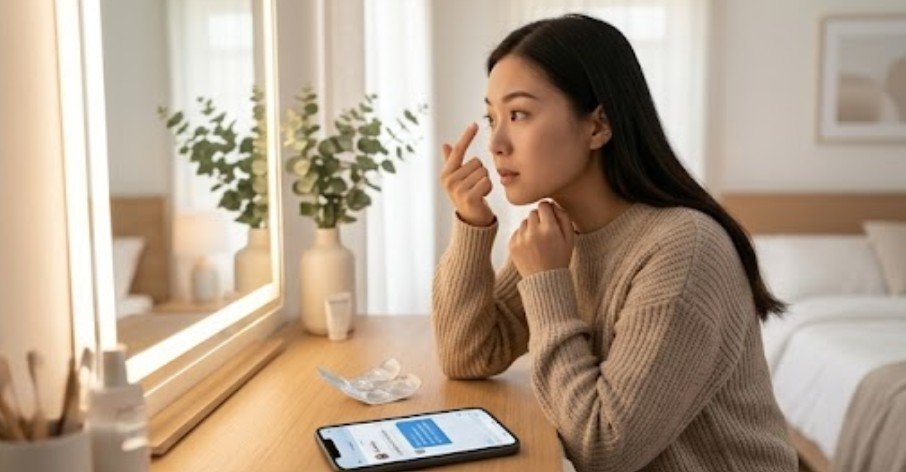
Experiencing lens irritation during your day calls for specific safe workarounds instead of a lens cleaning routine.
How to Fix Dryness Without Taking Lenses Out
Never remove a daily lens to rinse it off when your eyes feel scratchy or tired. Instead, lean your head back and apply one or two drops of preservative-free, contact-lens-approved rewetting drops directly onto your eye while wearing the contact.
Blinking rapidly spreads the hydrating formula across the lens, restoring moisture and washing away tiny surface dust particles without breaking the sterility of the lens.
Handling Dropped or Contaminated Lenses
If a daily disposable contact falls out of your eye or slips off your finger, consider that lens permanently retired.
Picking it up and attempting to rinse it with saline or multipurpose solution will not remove deeply embedded bacteria or restore its shape.
Throw the dropped lens away immediately, wash your hands, and open a brand-new backup daily lens from your supply to keep your eyes safe.
Frequently Asked Questions
1. Are you supposed to wash daily contacts?
No, daily disposable contacts are designed for single use only. You should throw them away every night, but if an emergency forces a temporary mid-day reinsertion, use only sterile multipurpose solution to clean them.
2. Can I clean and reuse my daily contacts?
You should not clean and reuse daily contacts for multiple days because their thin material breaks down quickly. Attempting overnight storage and reuse on subsequent days significantly increases your risk of painful corneal infections.
3. What is the 3:1:1 rule for contacts?
The 3:1:1 rule refers to TSA liquid guidelines for carry-on luggage: 3.4-ounce (100ml) bottles or smaller, placed in 1 clear quart-sized bag, with 1 bag allowed per passenger. This applies directly to travel-sized multipurpose contact lens solutions.
4. How do you get rid of protein buildup on contacts?
Protein buildup is removed using multi-purpose disinfecting solutions or enzymatic cleaners with a rub-and-rinse routine. However, daily disposables avoid protein buildup naturally since you throw them away at the end of each day.
Clear Eyes, Bright Smiles: Master How to Clean Daily Contacts Safely!
Knowing how to clean daily contacts gives you a reliable safety net during mid-day lens emergencies. While tossing daily disposables every evening remains the absolute golden rule for ocular health, proper handwashing and multipurpose solutions protect your vision when reinsertion cannot be avoided. Keep your lens case clean, ditch tap water entirely, and consult your eye doctor whenever you need personalized advice on daily lens care!