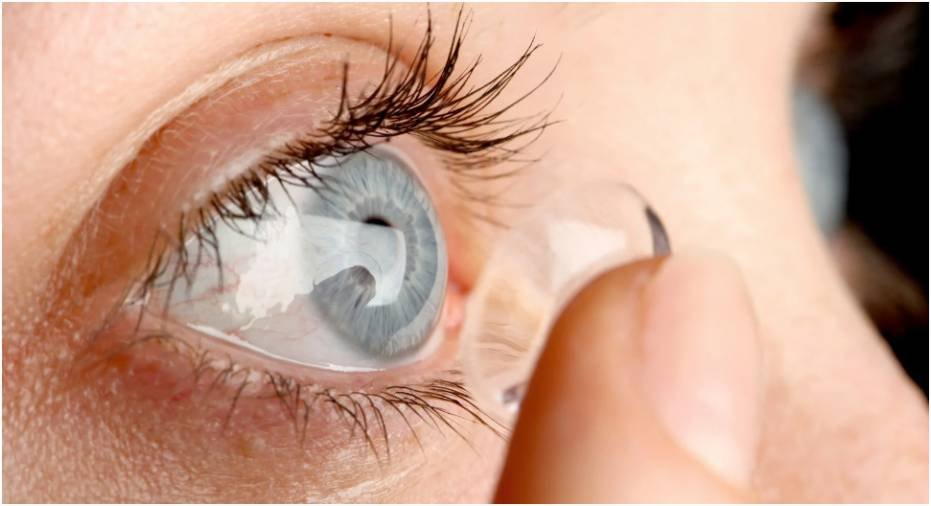
Stepping out with fresh contact lenses feels comfortable and effortless until mid-afternoon arrives and you suddenly find yourself wondering, why do my contacts feel dry and scratchy? That irritating sensation can make every blink feel uncomfortable, turning work, driving, reading, or simply looking at a screen into an exhausting experience.
While it may be tempting to reach for random eye drops, temporary relief rarely solves the underlying problem. Restoring lasting ocular comfort begins with understanding what disrupts your natural tear film and how your daily habits may be contributing to lens dryness.
Key Takeaways
- Low blink rates and indoor air speed up tear evaporation under contacts.
- High water content lenses can pull moisture away from sensitive eyes.
- Protein buildup from overwearing lenses blocks oxygen and creates friction.
- Preservative-free rewetting drops provide safe, instant relief for dry eyes.
- Switching to daily disposables or silicone hydrogels prevents long-term dryness.
This Concern Deserves Your Full Attention
Understanding why do my contacts feel dry isn’t just about avoiding a mid-afternoon blinking contest with your computer monitor. Your eyes are delicate moisture-loving balance setups, and living with dry lenses feels like having tiny patches of sandpaper stuck beneath your eyelids. Tackling this issue early saves you from unnecessary eye strain, keeps your vision crystal clear, and ensures you can enjoy contact lenses without constantly wanting to pull them out.
Key Culprits Behind Contact Lens Dehydration
Contacts dry out because they sit inside your tear film, speeding up evaporation and blocking oxygen. Exploring the main causes helps you pinpoint what is ruining your comfort.
Lens Material Choices and High Water Content
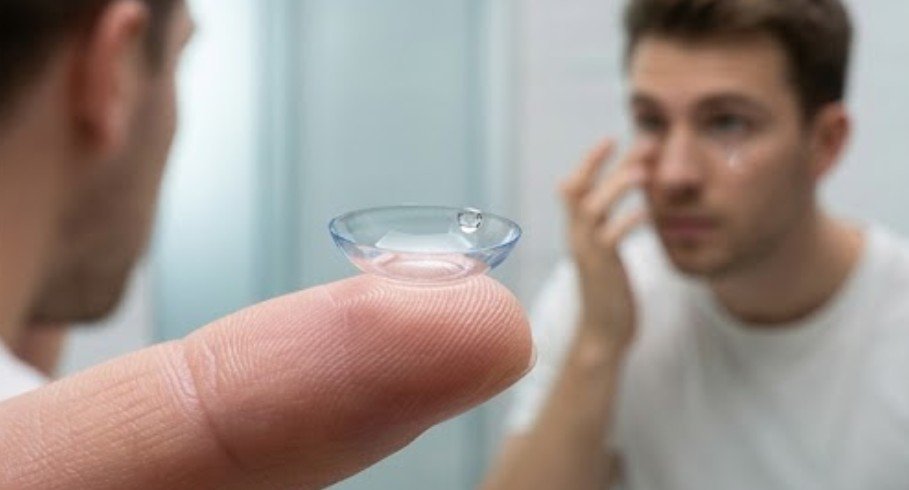
Soft contacts are designed to hold moisture, but high water content options act like sponges. As environmental air dries the lens surface, it sucks fluid directly from your natural tears to stay hydrated. This process leaves your eye tissue feeling dry and irritated.
Environmental Factors and Digital Screen Work

Air conditioning units, desk fans, and outdoor winds constantly sap moisture from your face.
Understanding why contact lenses dry out in air conditioning can help you reduce direct airflow, use rewetting drops earlier, and protect your tear film during long hours indoors.
Staring at digital screens drops your natural blink rate by nearly half. Fewer blinks mean your eyes cannot redistribute fresh tears across the corneal surface.
Lens Care Habits and Daily Wear Patterns
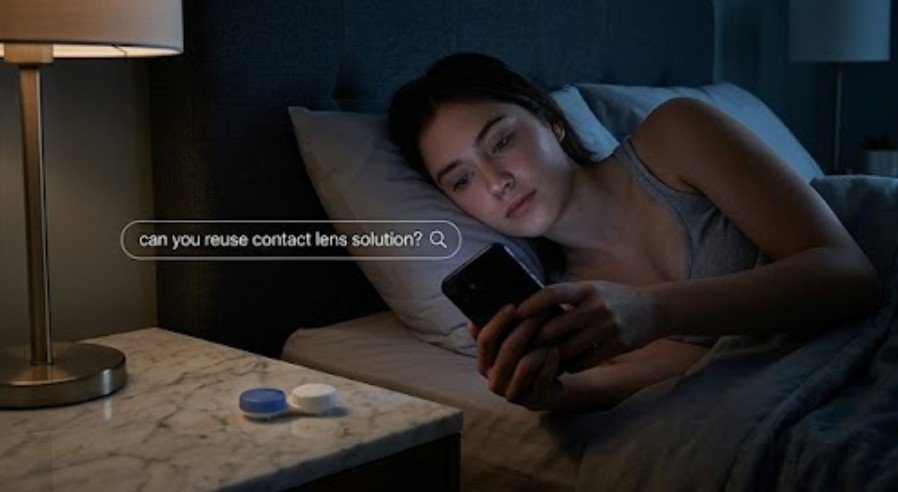
Overwearing your lenses past their intended schedule degrades the material. Sleeping in non-extended wear contacts restricts vital oxygen flow to the cornea. Reusing old multi-purpose solution allows protein deposits to accumulate, creating a sticky layer that repels moisture.
Biological Triggers and Health Conditions
Underlying health factors play a major role in lens comfort. Seasonal allergies cause localized ocular inflammation that disrupts tear production.
Because persistent dryness can sometimes overlap with early contact lens infection symptoms, worsening redness, pain, discharge, light sensitivity, or blurred vision should be evaluated promptly by an eye care professional.
Conditions like Meibomian Gland Dysfunction or common medications like antihistamines also reduce necessary oil and fluid layers in your tears.
Quick Fixes for Immediate Contact Lens Relief
Taking actionable steps right away helps restore hydration so you can wear your lenses comfortably all day.
Switch to Daily Disposable Lenses
Transitioning to daily disposables offers a fresh, deposit-free lens surface every single morning. Optometrists frequently recommend dailies for sensitive eyes because they eliminate solution buildup. Starting with clean material drastically cuts down on end-of-day irritation.
Use Preservative-Free Rewetting Drops
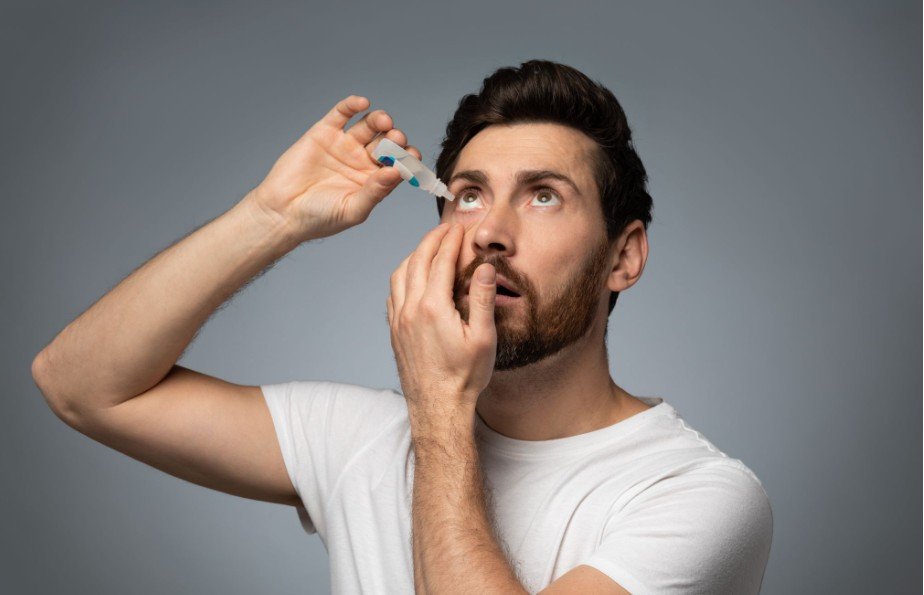
Applying lubricating drops specifically formulated for contact lens wearers keeps your tear film stable. Preservative-free options avoid harsh chemical irritants that cause burning. Drip a few drops into each eye whenever you feel early signs of friction.
Evaluate Your Contact Lens Solution

Multi-purpose cleaning solutions often contain chemical preservatives that irritate sensitive corneas. If your eyes feel raw after insertion, your cleaning fluid might be the true problem. Ask your eye care specialist about switching to a hypoallergenic or hydrogen peroxide cleaning system.
Practice the 20-20-20 Rule
Preventing digital eye strain requires giving your eyes regular rest breaks during screen work. Look at an object 20 feet away for 20 seconds every 20 minutes. This quick habit resets your natural blink rhythm and spreads a smooth layer of tears across your lenses.
Advanced Steps for Long-Term Eye Comfort

If standard remedies fall short, exploring professional lens alternatives ensures lasting moisture retention.
Upgrading to Silicone Hydrogel Materials
Silicone hydrogel lenses allow up to five times more oxygen to reach your cornea compared to traditional hydrogels. High oxygen permeability helps maintain corneal health and prevents localized swelling. This structural upgrade provides superior comfort during extended wearing hours.
Choosing Low-Water Content Lens Options
Low-water content lenses require far less fluid from your eyes to keep their shape. They retain internal moisture without leeching away your natural tear film. This design makes them ideal for individuals living in low-humidity environments.
Consulting an Optometrist for Custom Fits
Persistent dryness requires a tailored clinical assessment to check for underlying tear quality issues. Your eye care provider can evaluate your eyelid health, measure tear production, and recommend specialized specialty lenses like scleral designs if needed.
Frequently Asked Questions
1. What to do when your contacts feel dry?
Instill preservative-free rewetting drops formulated for contact lenses. Take a screen break, blink intentionally, and drink water. If irritation persists, remove your lenses and wear glasses.
2. Is it normal for contacts to feel dry at first?
Mild awareness can occur during the first few days of adapting to new lenses. Persistent dryness or scratchiness is not normal and signals a material mismatch or poor tear quality.
3. Can you rehydrate dry contact lenses?
Rewetting drops can hydrate a lens currently on your eye. However, if a soft lens completely dries out inside its case or on a surface, throw it away immediately because its structure is ruined.
4. Should I stop wearing contacts if I have dry eyes?
You do not need to quit wearing lenses permanently. Taking a short break helps your eyes recover while an optometrist switches you to daily disposables or low-water silicone hydrogel materials.
Say Goodbye to Sandpaper Eyes for Good!
Understanding why do my contacts feel dry is the first step toward enjoying clearer, more comfortable vision throughout the day. Simple changes such as switching to daily disposable lenses, using preservative-free rewetting drops, taking regular breaks from digital screens, and choosing lenses made from highly breathable materials can significantly improve comfort.
Maintaining proper hydration and following good contact lens hygiene also help support a healthy tear film. If dryness persists despite these adjustments, schedule an appointment with your optometrist to identify the underlying cause and find the contact lens solution best suited to your eyes and daily lifestyle.