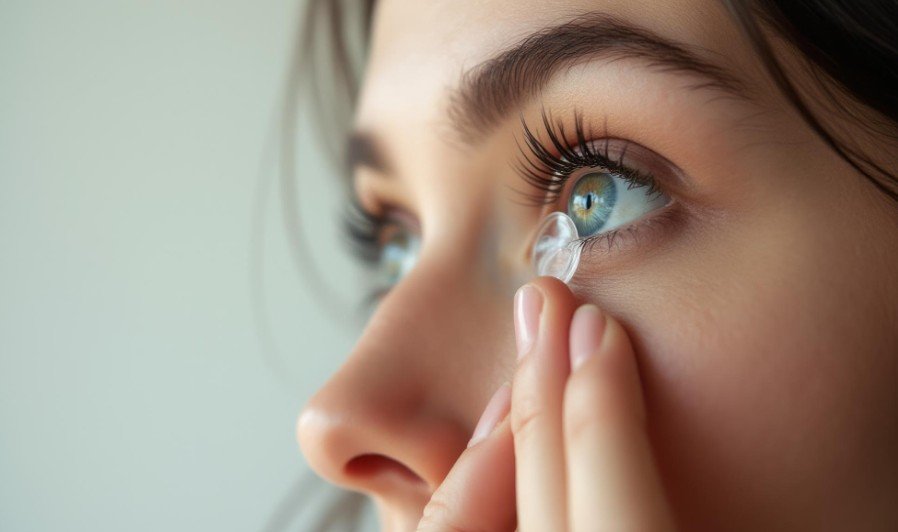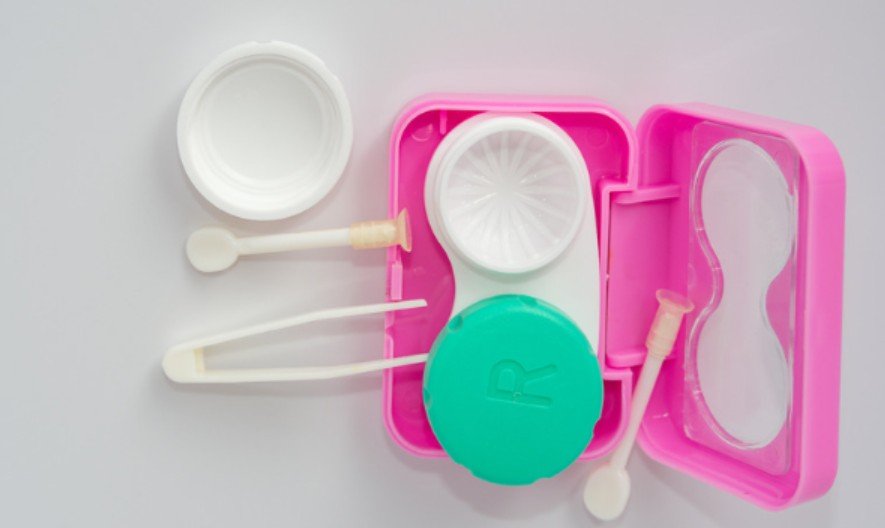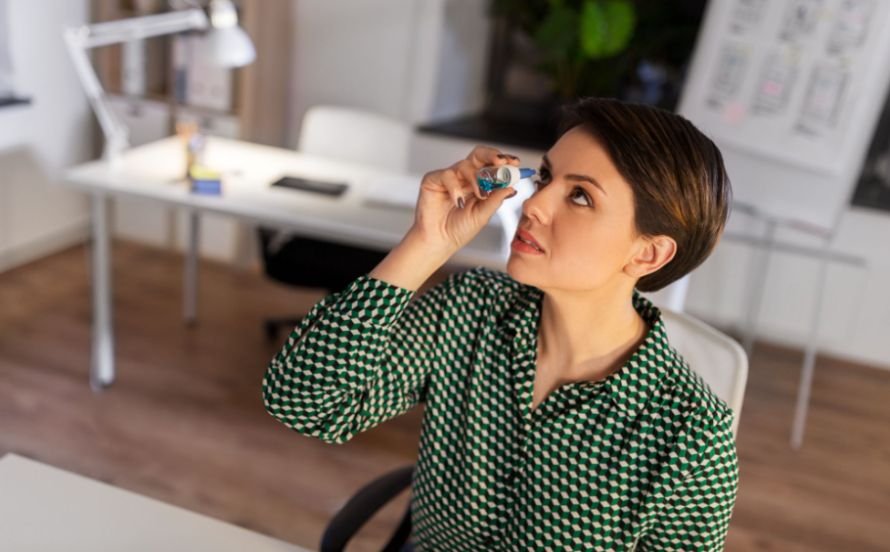
By 4 p.m., my contacts can feel completely different from the fresh, comfortable lenses I inserted that morning. The clear vision is still there, but it may come with burning, grittiness, fluctuating focus, or the urge to remove them immediately. That frustrating pattern often raises one important question: should I switch to daily contacts for dry eyes?
For many contact lens wearers, the answer may be yes. Daily disposables provide a fresh lens surface every morning, which can reduce irritation linked to protein deposits, allergens, cosmetics, and reusable-lens solutions.
Still, the replacement schedule is only part of the picture. Lens material, professional fit, screen habits, wearing time, tear quality, and underlying dry-eye conditions all influence whether switching will actually improve comfort.
Are Daily Contacts Better for Dry Eyes?
Daily disposable contact lenses can improve comfort when proteins, lipids, makeup, debris, or allergens coat reusable lenses. Monthly and biweekly contacts must maintain a comfortable surface over many days. Dailies start fresh each morning and are discarded after one use, eliminating the storage case and overnight disinfection routine.
Studies of symptomatic wearers have reported less dryness, better end-of-day comfort, and longer comfortable wearing time after refitting into certain daily lenses. This is why an eye-care professional may recommend a daily trial for mild contact-lens-related dryness. Results still depend on lens design, fit, tear-film quality, and the cause of symptoms.
Why Can Daily Contacts Help Dry Eyes?
A Fresh Lens Limits Deposit Buildup
Tears contain proteins and oils, while cosmetics, dust, and seasonal allergens can settle on a lens. Cleaning removes much of this material, but a reusable lens may feel less smooth as its replacement date approaches. A new sterile lens each morning prevents deposits from accumulating across several weeks.
No Multipurpose Solution Is Required
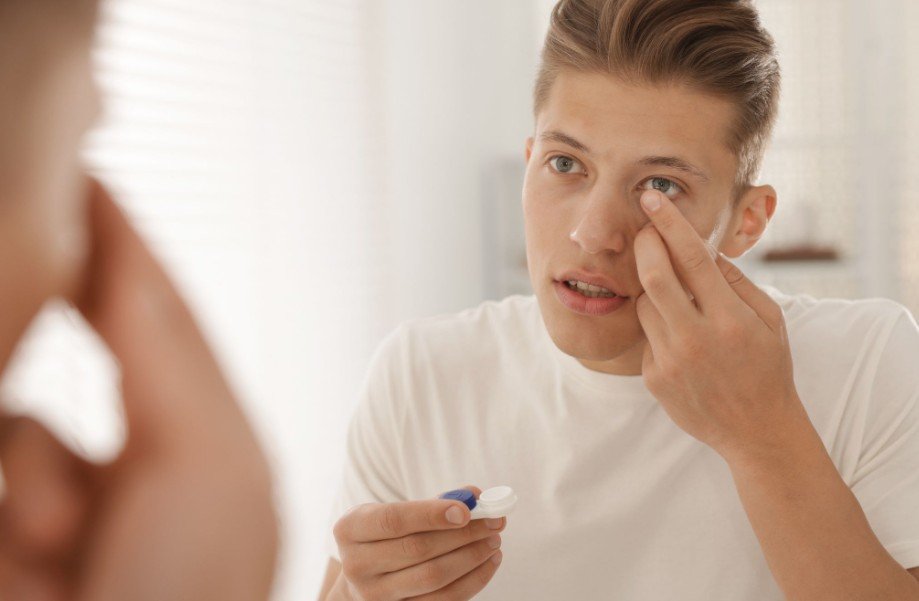
Daily disposables do not require multipurpose cleaning or storage solution. That may help people who experience stinging or redness after inserting stored contacts. Blister packs still contain sterile packaging solution, so daily lenses do not create “zero chemical exposure,” but they remove repeated exposure to reusable-lens disinfectants.
Modern Materials Support Surface Moisture
Daily lenses come in hydrogel and silicone hydrogel materials. Some use water-gradient surfaces or integrated wetting technologies designed to support a smooth lens surface. Certain dailies also have thin profiles, but they are not automatically thinner or more breathable than monthly lenses.
Oxygen transmission depends on material, thickness, prescription power, and lens design. Research has not established that one soft-lens material provides the best comfort for every contact lens wearer.
What Are the 7 Signs You Should Consider Switching?
The first sign is that monthly lenses become dry before their replacement date. The second is that every new pair feels dramatically better. Third, symptoms worsen during allergy season. Fourth, multipurpose solution causes stinging or redness.
Fifth, lenses develop a cloudy, scratchy, or coated surface. Sixth, an inconsistent cleaning routine makes safe reuse difficult. Seventh, contacts are needed only for workouts, travel, weekends, or special events, making single-use lenses more convenient.
Switching may not solve dryness that continues after lens removal. Poor tear production, meibomian gland dysfunction, eyelid inflammation, medications, an incorrect fit, long wearing hours, heating, air conditioning, and screen use can also contribute. The National Eye Institute identifies contact lens wear and extended digital-device use as dry-eye risk factors.
Daily vs. Monthly Contacts for Dry Eyes
| Feature | Daily Disposables | Monthly Reusables |
| Lens surface | Fresh every morning | Used for several weeks |
| Deposit buildup | Minimal multi-day accumulation | Proteins, oils, debris, and allergens may accumulate |
| Cleaning solution | No overnight solution required | Disinfecting and storage solution required |
| Thickness and oxygen | Vary by material and design | Also vary by material and design |
| Storage | No lens case needed | Daily cleaning and case care required |
| Infection considerations | Removes storage-case risks | More care steps create contamination opportunities |
| Cost | Often higher for full-time wear | Often lower per day |
Daily disposables can reduce risks related to storage cases and reusable-lens care, but they are not infection-proof. Sleeping, showering, swimming, or reusing daily contacts can still expose the eyes to serious complications.
The CDC advises contact lens users to remove their lenses before sleeping, showering, or swimming and to follow the replacement schedule prescribed by their eye-care professional.
How Do I Switch to Daily Contacts Safely?
Schedule a Professional Contact Lens Fitting
In the United States, contact lenses are prescription medical devices. An optometrist evaluates more than corrective power. The fitting may account for the manufacturer, lens material, base curve, diameter, movement, corneal health, prescription, and tear-film behavior.
I would request trial lenses selected for my eyes instead of buying a popular dry-eye brand without professional approval. Even lenses with the same corrective power may differ in fit and design.
Never Reuse Daily Disposable Lenses
Daily contacts are designed for one-time use. I should discard them after removal instead of cleaning, storing, or wearing them the next day.
Reusing a daily lens creates additional opportunities for contamination and ignores the manufacturer’s intended replacement schedule. A daily disposable lens should never be treated like a two-week or monthly lens.
Use Contact-Lens-Compatible Eye Drops

Preservative-free artificial tears may help people who need frequent dry-eye relief, but not every eye drop is suitable while contacts are inserted.
I would choose rewetting drops or artificial tears specifically labeled as compatible with contact lenses and follow my eye doctor’s instructions. If drops provide only temporary relief, the underlying dry-eye condition may require separate treatment.
Practice the 20-20-20 Rule
Screen concentration can reduce blink frequency and cause incomplete blinks, allowing the tear film to evaporate faster. Although some people experience a substantial drop in blinking during screen use, no universal percentage applies to everyone.
Every 20 minutes, I can look at something at least 20 feet away for 20 seconds. I can also make several slow, complete blinks before returning to the screen. Research suggests that this routine can reduce digital eye strain and dry-eye symptoms.
When Should I Remove My Contacts Immediately?
Ordinary dryness should not cause intense pain. I would remove my contacts and seek prompt eye care if I experience unusual eye redness, worsening blurry vision, discharge, strong light sensitivity, swelling, or persistent pain.
The CDC also recommends removing contact lenses when discomfort develops rather than continuing to wear them and hoping the symptoms disappear.
Frequently Asked Questions
1. Can Daily Contacts Still Cause Dry Eyes?
Yes. Daily contacts can still feel dry when the lens material or fit is unsuitable, wearing time is excessive, blinking is incomplete, or dry-eye disease remains untreated. A different daily lens or separate dry-eye treatment may be necessary.
2. Are Water-Gradient Contacts Better for Dry Eyes?
Water-gradient technology may improve surface wettability and comfort for some wearers, but it is not universally better. Lens fit, prescription, tear-film quality, wearing habits, and individual response remain essential.
3. Are Daily Contacts Safer Than Monthly Contacts?
Daily disposables eliminate storage-case contamination and several reusable-lens care steps. However, safe handling still matters. Users must avoid reusing lenses, sleeping in them, and exposing them to tap water, pools, showers, or hot tubs.
4. Are Daily Contacts Worth the Higher Cost?
They may be worth the cost when they extend comfortable wearing time, simplify occasional use, eliminate cleaning-solution purchases, or prevent users from discarding uncomfortable monthly lenses early.
Should You Make the Switch?
So, should I switch to daily contacts for dry eyes? I would consider a professionally fitted trial when deposits, solution sensitivity, allergies, inconsistent cleaning, or declining monthly-lens comfort appear to drive my symptoms.
Daily disposables provide a cleaner routine, a fresh lens surface, and no need for overnight cleaning solution. However, the right prescription, contact lens material, professional fit, screen habits, wearing time, and dry-eye treatment still determine long-term comfort.