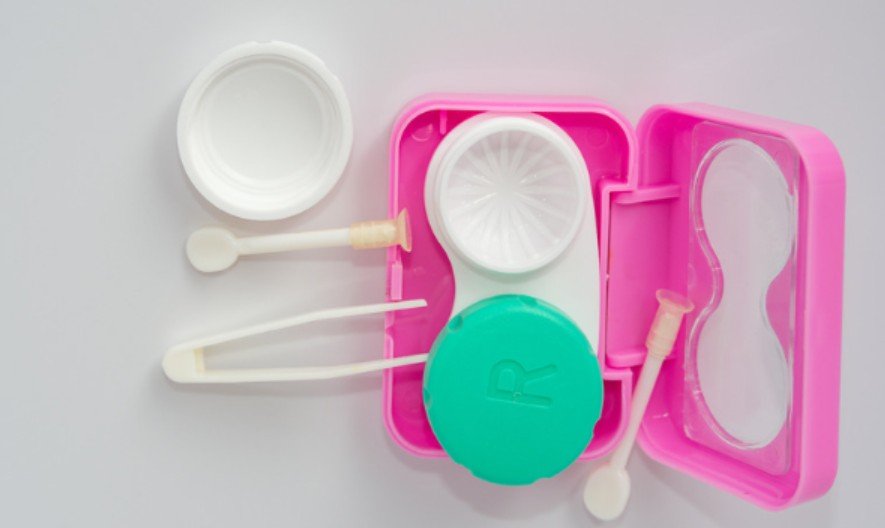
Wearing soft contacts brings pure freedom every single day, but keeping your eyes feeling fresh requires smart habits. Many of us keep using the same plastic holder for way too long without realizing how quickly microscopic dirt accumulates. Understanding how often to change contact lens case storage wells keeps your vision crystal clear, comfortable, and healthy.
Eye care professionals recommend replacing your holder every ninety days at a minimum. Linking your replacement schedule with the change of seasons keeps your eye care routine perfectly organized without extra effort.
Scientific Reason Behind the Ninety Day Replacement Rule
Eye doctors everywhere agree that one to three months is the absolute limit for using any plastic storage holder. Even if your plastic storage well looks spotless to the naked eye, microscopic germs settle into the tiny grooves of the plastic. Swapping your storage unit every ninety days prevents these hidden invaders from multiplying and transferring onto your soft contacts.
Plastic storage wells slowly wear down on a microscopic level through daily handling and contact with liquids. Tiny scratches form inside the plastic wells every time you open, close, or clean your holder. These microscopic cracks act as safe havens where stubborn bacteria hide from your disinfecting liquid, creating a cycle of contamination.
The Invisible Threat of Microbial Biofilm
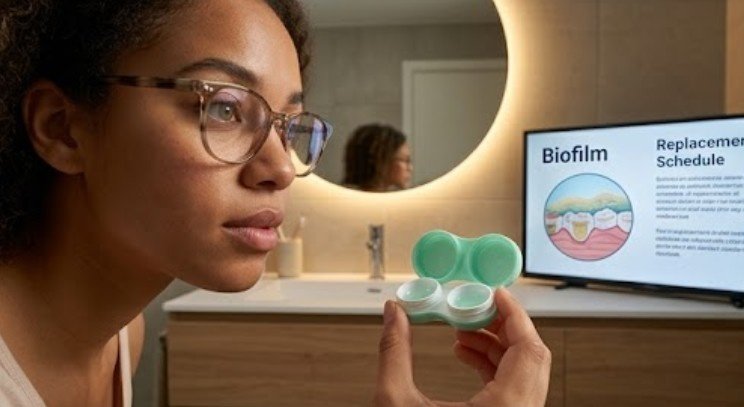
A subtle layer of microscopic organic material forms inside moist plastic storage wells after weeks of continuous use. Biofilm works like a sticky shield created by bacteria to protect themselves against normal disinfecting liquids. Once this layer takes hold inside your storage well, simple rinsing will no longer wash those unwanted organisms away.
When your soft contacts rest inside a contaminated well overnight, they absorb these germs directly. Putting those contacts in the next morning traps the bacteria against your cornea, dramatically increasing your risk of painful eye irritation.
Linking Your Replacement to Fresh Solution Supplies
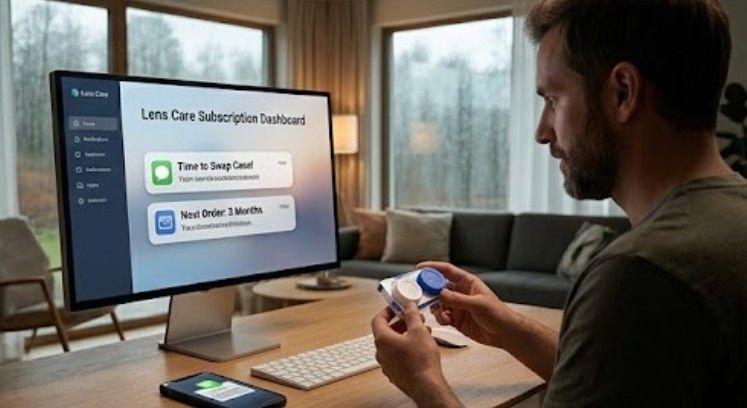
Pairing your plastic storage replacement directly with your supply restocking keeps your schedule completely foolproof. Most major manufacturers pack a brand new plastic holder right inside the box with your multipurpose solution. Opening that fresh holder every time you finish a bottle ensures you never forget to throw out the old one.
This built-in habit guarantees your storage habits match your liquid disinfectant freshness seamlessly. You get a brand new, sterile environment for your soft contacts without tracking dates on a calendar.
How Often to Change Contact Lens Case and Master Daily Cleaning
Taking proper care of your storage holder every morning protects your vision between those quarterly replacement milestones. Developing a consistent daily cleanup routine stops moisture buildup and prevents foreign particles from settling inside the plastic wells. Following clear steps every single day will keep your eyes health effortlessly.
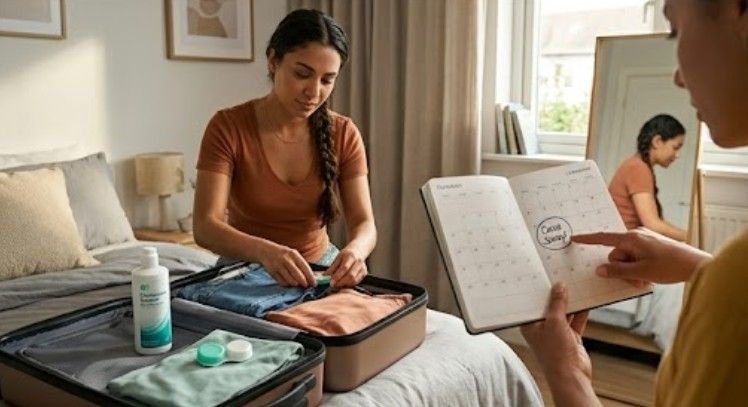
First, dump out all old liquid every single morning right after putting in your soft contacts. Second, rinse the empty wells thoroughly using fresh multipurpose disinfectant liquid and rub the inside surfaces with clean fingers. Third, tip the wells upside down on a clean paper towel to air dry completely.
The Solution Rule for Daily Hygiene
Dump out old solution every morning, rinse the wells with fresh multipurpose disinfecting solution, and air-dry the case face down on a clean tissue. Leaving old liquid inside the holder creates a breeding ground for harmful germs.
Air drying upside down with the caps off starves lingering germs of the moisture they need to survive. Always place your holder on a clean paper towel far away from sink spray to keep the wells completely sterile.
The Strict No Water Protocol
Never clean your case or store lenses with tap water, as it can introduce severe microorganisms into your eyes. Tap water contains minerals and parasites like Acanthamoeba that attach to plastic surfaces easily.
Rinsing your holder with tap water traps these parasites inside, leading to severe infections that threaten your vision. Stick exclusively to sterile multipurpose liquid for rinsing every part of your storage setup.
When Immediate Replacement Is Mandatory
Discard and replace your case immediately if it cracks, warps, or you develop an eye infection. Waiting for the standard ninety days is not safe if your holder suffers physical damage or encounters heavy contamination.
Germs from eye infections attach themselves firmly to plastic surfaces and storage caps. Using the same holder after your symptoms disappear reintroduces those exact same germs back onto your delicate eyes.
Smart Strategies to Extend Plastic Holder Hygiene
Following a few simple daily habits keeps your storage setup completely clean throughout its three-month lifespan. Small changes in where and how you store your plastic wells make a massive difference in preventing unwanted microbial growth. Integrating these smart tips into your routine protects your vision while making daily lens care completely effortless.
Wash your hands thoroughly with soap and water before touching your storage holder or contacts. Keep your drying holder inside a well-ventilated room rather than on a steamy bathroom counter where airborne germs flourish.
Storage Safety Practices for Busy Lifestyles

Avoid storing cases in humid environments where moisture hangs in the air for hours. Leave the caps off and resting side-by-side with your holder while it air dries to let air circulate through both pieces freely.
Never share your storage container with friends or family members to prevent cross-contamination of different eye infections. Pack an extra factory-sealed holder inside your travel bag so you always have a clean backup during trips.
Following Official Optometric Guidelines
For reliable reminders and hygiene guidelines, visit the American Optometric Association to stay informed on the best eye care practices. Following accredited optical standards protects your eyes from long-term complications.
Eye care professionals update safety recommendations regularly based on new scientific research. Relying on trusted professional guidelines guarantees that your daily lens habits remain safe and effective.
Frequently Asked Questions
1. How often to change contact lens case for maximum safety?
You should replace your contact lens case every one to three months. Even with daily cleaning, plastics degrade over time and develop microscopic scratches that harbor bacteria and biofilm, so changing it regularly protects your eyes from severe infections.
2. What is the 3:1:1 rule for contacts?
The 3:1:1 rule is a handy hygiene reminder for soft lens wearers. You replace your case every 3 months, use fresh solution every 1 day, and clean your storage holder 1 time daily with sterile multipurpose fluid.
3. Is it okay to reuse a contact lens case?
Reusing a storage holder beyond three months is unsafe for your eye health. Microscopic bacteria form a protective layer of biofilm inside old plastic wells that standard multipurpose solution cannot clean away completely after extended daily use.
4. How long can I use a contact lens case for?
You can safely use a contact lens case for up to ninety days with proper daily care. However, you must throw it away immediately if it cracks, warps, or if you catch any type of eye infection.
5. Do contact lens cases expire?
Unopened factory-sealed plastic cases do not expire, but once you open and use one, the ninety-day replacement clock starts. Always replace your storage holder regularly to ensure optimal eye health and clear daily vision.
Also read: How long can you wear contacts?
Case Closed: Bright Eyes and Fresh Views Ahead!
Mastering how often to change contact lens case storage wells is the easiest shortcut to healthy vision. Swapping your plastic holder every one to three months, dumping old liquid, and avoiding tap water keeps your eyes happy and infection-free. Treat your contact accessories with care, follow your daily routine, and enjoy crisp, comfortable vision every single day!