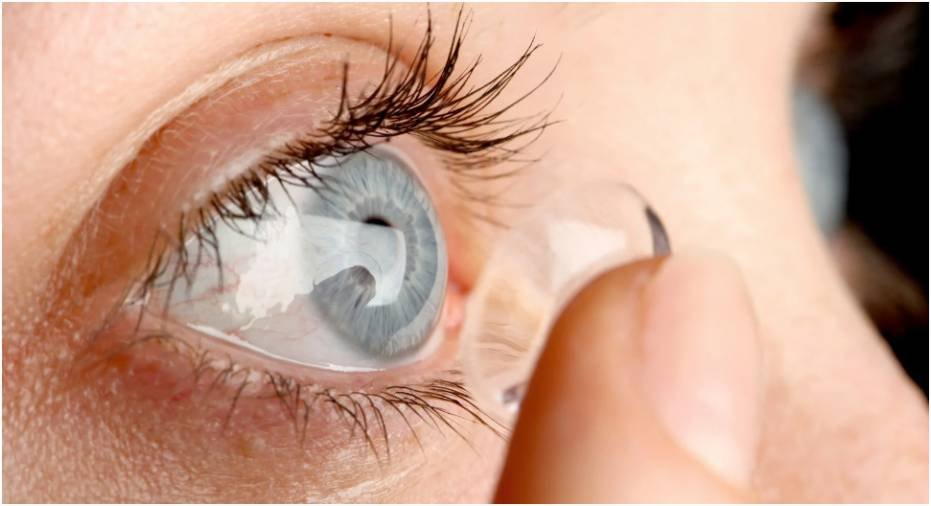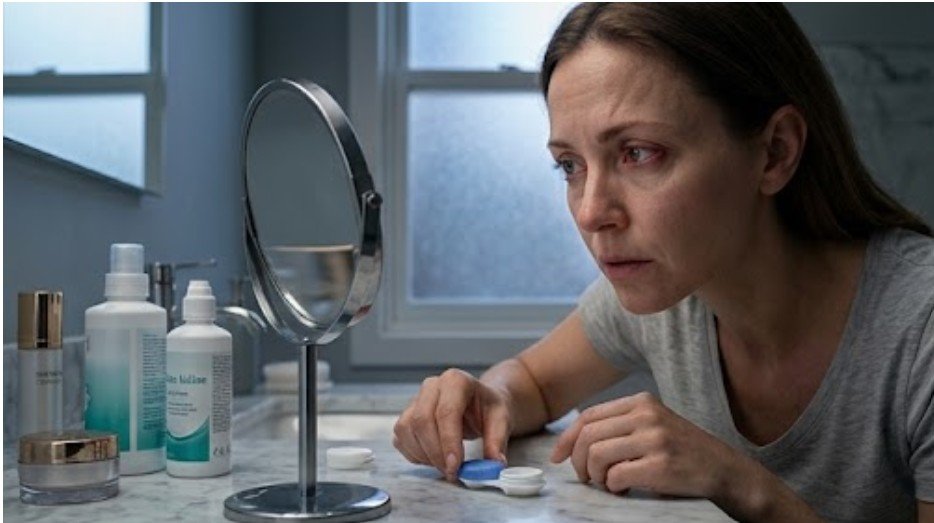
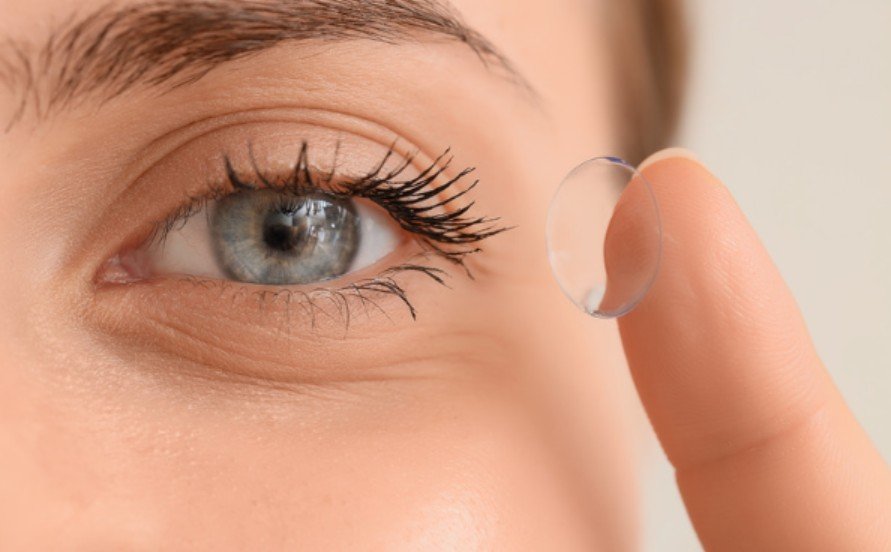
I remember feeling confused when small print became difficult to read even though my distance vision still seemed normal. Choosing multifocal contact lenses for presbyopia beginners can feel just as uncertain. However, understanding how these lenses work, what adjustment involves, and what results to expect can make the decision much easier.
This guide explains the available designs, first-week experience, benefits, limitations, and practical steps that can help new wearers achieve clearer, more comfortable vision.
What Is Presbyopia?
Presbyopia is the gradual loss of the eye’s ability to focus clearly on nearby objects. It commonly becomes noticeable after age 40 because the natural lens inside the eye becomes less flexible.
You may begin holding your phone farther away, enlarging screen text, needing brighter light, or struggling to read menus and product labels. Presbyopia is an age-related focusing change and is not exactly the same as farsightedness.
How Do Multifocal Contact Lenses Work?
Multifocal contacts contain multiple prescription powers within one lens. These powers are designed to support near, intermediate, and distance vision.
Your eyes receive visual information from different powers simultaneously. Over time, your brain learns to prioritize the clearest image for the activity you are performing, such as reading, working on a computer, driving, or looking across a room.
This process is known as simultaneous vision. The goal is practical clarity across several distances rather than perfect sharpness at only one distance.
Main Types of Multifocal Contacts
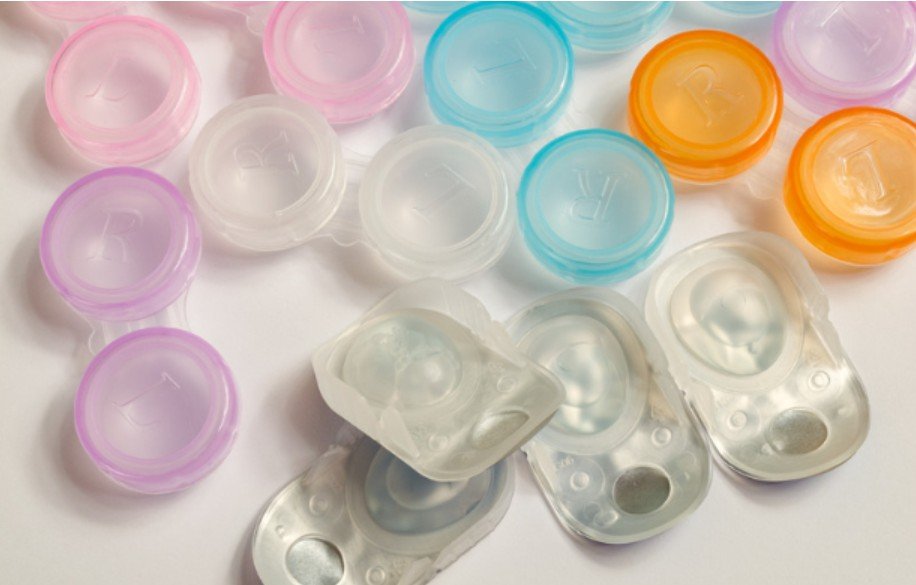
Aspheric Lenses
Aspheric lenses gradually change in power from the center toward the outer area. Their smooth transition makes them a common option in soft multifocal contacts.
Concentric Lenses
Concentric designs use alternating rings for near and distance correction. The brain learns to select the information needed for each viewing task.
Segmented Gas-Permeable Lenses
Some rigid gas-permeable lenses contain separate sections for near and distance vision. They may provide crisp clarity, although comfort and adaptation can differ from soft lenses.
For example, scleral contact lenses for irregular corneas create a smooth optical surface over the eye and may improve clarity when standard soft or gas-permeable lenses do not provide stable vision.
Are Multifocal Lenses Suitable for New Wearers?
Many people can successfully begin with multifocal contacts, but an accurate professional fitting is essential.
An eye-care professional will consider your distance prescription, near-vision requirements, pupil size, tear quality, eye health, work habits, and preferred replacement schedule.
The first trial lens may not be the final choice. Changes in add power, lens design, dominant-eye correction, or brand can noticeably improve performance. A follow-up visit is therefore a normal part of the fitting process rather than evidence that the lenses have failed.
What to Expect During the Adjustment Period

The First Day
Near vision may improve quickly, while distance clarity can initially feel unfamiliar. Some beginners notice mild ghosting, fluctuating focus, or additional glare around lights.
Follow the wearing schedule provided by your practitioner. Test the lenses during ordinary activities because a short reading test cannot show how they will perform throughout an entire day.
The First Week
Check your vision while using your phone, computer, television, dashboard, product labels, and road signs. Record whether blur affects near, intermediate, or distance vision most.
Your brain may need repeated exposure before it can efficiently select the clearest image. Adjustment can take several days or, in some cases, a few weeks.
Pain, marked redness, discharge, severe light sensitivity, or sudden changes in vision are not normal adaptation symptoms. Remove the lenses and contact an eye-care professional if these problems develop.
The Follow-Up Visit
Provide specific feedback during your follow-up appointment. Explain whether you struggle with small print, computer distance, nighttime driving, or signs across a room.
Detailed examples help your practitioner refine the prescription more effectively than simply saying the lenses appear blurry.
Benefits of Multifocal Contacts
Multifocal lenses can reduce dependence on reading glasses while maintaining useful distance vision. They may be particularly convenient for exercise, travel, social occasions, and busy routines where repeatedly reaching for readers is frustrating.
They also support smoother transitions between viewing distances. You can glance from your phone to someone across the room without changing eyewear.
Possible Drawbacks and Visual Compromises

Not every wearer achieves perfectly sharp vision at every distance. Early concerns may include halos, reduced contrast in dim light, mild near blur, or slightly less precise distance vision.
Night driving may be more challenging because low light can make glare and halos more noticeable. Evaluate your nighttime vision carefully and keep backup glasses available.
Dryness can also produce fluctuating clarity. Indoor climate can make this problem worse, especially when contact lenses dry out in air conditioning because continuous airflow increases tear evaporation and reduces lens comfort.
Lens material, fit, replacement frequency, screen use, blinking habits, and professionally approved lubricating drops can all influence comfort.
Daily, Biweekly, or Monthly Lenses
Daily disposable lenses provide a fresh pair each day and require no cleaning solution. They can suit occasional wearers, travelers, allergy-prone eyes, or people who prefer a simple routine.
Biweekly and monthly lenses may cost less per wearing day but require proper cleaning, storage, and timely replacement. Wearing reusable lenses beyond their approved schedule can increase deposits, irritation, and discomfort.
The best schedule depends on your eye health, budget, wearing frequency, and ability to follow lens-care instructions.
Options for Astigmatism and Dry Eyes
People with astigmatism may require toric multifocal lenses. These lenses combine astigmatism correction with different powers for near, intermediate, and distance vision.
Availability depends on the prescription, and the fitting process may require additional adjustments.
People experiencing dryness should receive a complete assessment. Tear quality, eyelid health, medications, screen habits, and environmental conditions can contribute to discomfort. Changing lens brands alone may not solve an underlying dry-eye problem.
Multifocal Contacts Versus Monovision

Monovision normally corrects one eye mainly for distance and the other mainly for near. Some wearers adapt successfully, while others dislike the effect on depth perception or overall visual balance.
Multifocal lenses provide several viewing powers to both eyes, although the correction may still be adjusted differently between them. A supervised trial is the safest way to compare both approaches.
Beginner Tips for Better Results
Wash and dry your hands before touching your lenses. Never rinse contacts or storage cases with tap water.
Follow the prescribed wearing and replacement schedule, and do not sleep in lenses unless they are specifically approved for overnight use.
Use adequate light when reading, take regular screen breaks, blink fully, carry backup glasses, and attend every follow-up appointment. Clear descriptions of where your vision becomes difficult can help your practitioner improve the fitting.
Frequently Asked Questions
1. Are multifocal contact lenses for presbyopia beginners difficult to use?
Insertion and removal are similar to other contacts. Visual adaptation and prescription refinement are usually the greater challenges.
2. How long does it take to adjust?
Some wearers adapt within several days, while others need a few weeks or an additional prescription adjustment.
3. Will I still need reading glasses?
Possibly. Very small print, poor lighting, or prolonged close work may still require occasional low-power reading glasses.
4. Can I drive at night with multifocal contacts?
Many people can, but glare, halos, and contrast must be evaluated first. Use backup correction when nighttime vision feels unreliable.
Final Thoughts
I see multifocal lenses as a fitting process rather than a one-appointment purchase. The right design should support the viewing distances that matter most in daily life while remaining comfortable and safe.
I would not expect instant perfection, but I would also not ignore continuing pain or unusable vision. With realistic expectations, careful hygiene, detailed feedback, and professional follow-up, these lenses can provide a flexible way to read, work, exercise, and socialize without constantly switching between contacts and reading glasses.