Fresh contact lenses may feel smooth in the morning yet become gritty, tight, or blurry by late afternoon. When I consider why contacts feel dry after a few hours, I look first at the tear film—the moisture layer that lubricates the eyes and creates a clear optical surface.
A contact lens divides this film into layers above and below the lens. That change can make surface moisture less stable, increase evaporation, and create more friction between the lens, eyelid, and eye. Screen use, dry air, deposits, long wear time, and poor lens fit can intensify the discomfort.
Why Do Contacts Feel Fine in the Morning but Dry Later?
A clean lens begins the day evenly hydrated. Each complete blink spreads tears and oils across its surface. As the day continues, however, the pre-lens tear film may break up faster. Research links contact lens wear with greater tear evaporation, tear-film instability, and friction.
Soft lenses can lose water during wear, but saying they simply “suck moisture” from the eye oversimplifies the process. Lens material, surface wettability, humidity, blink quality, and tear-gland function all influence comfort. When these factors stop working together, end-of-day dryness develops.
Does Screen Time Make Contact Lenses Dry Faster?
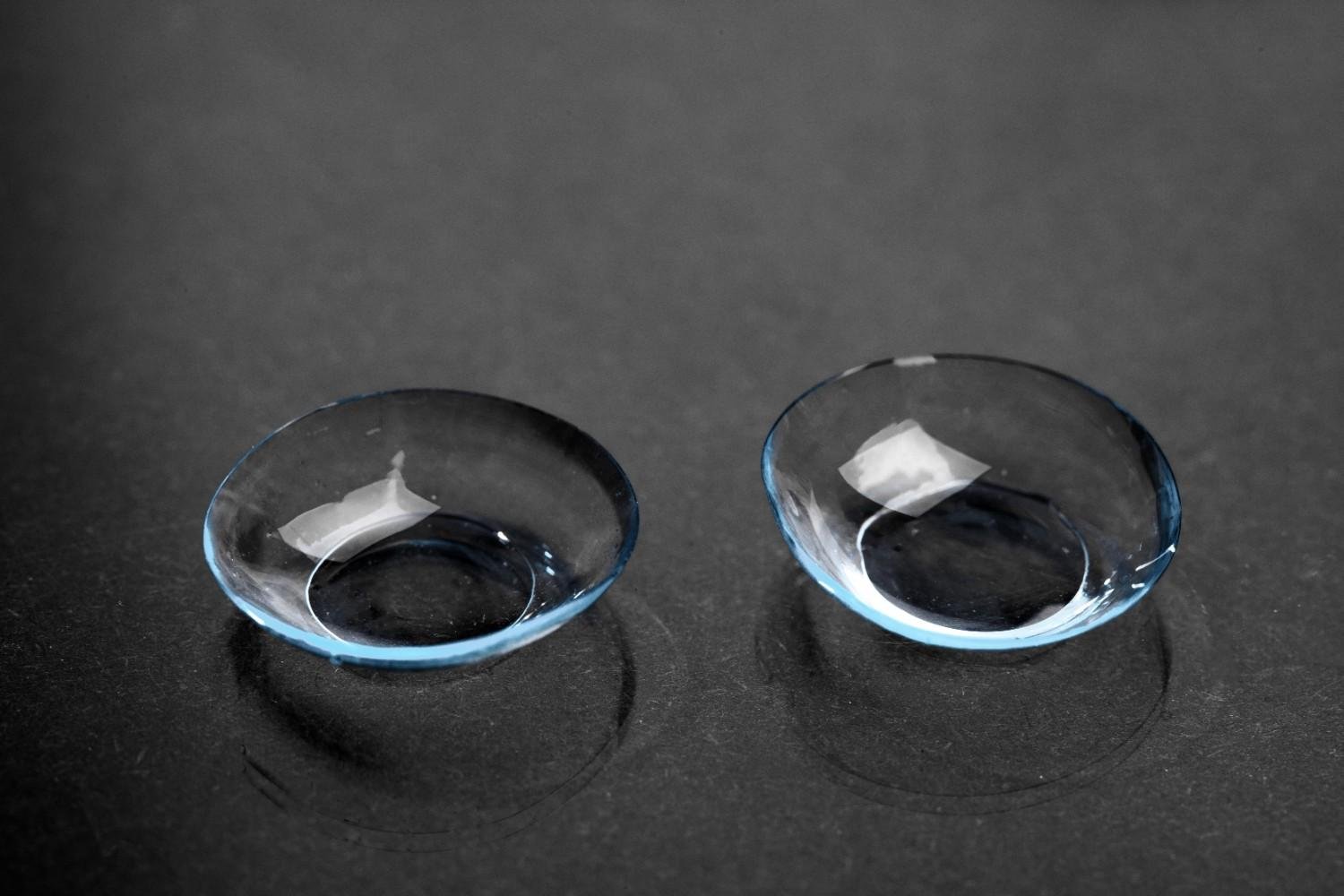
Digital eye strain often contributes to contact lens discomfort. While concentrating on a phone, laptop, or desktop monitor, people tend to blink less often and less completely. Fewer full blinks mean the eyes do not rebuild the moisture layer over the lenses as effectively.
I follow the 20-20-20 rule during long work sessions: every 20 minutes, I look at something about 20 feet away for 20 seconds. I also make several slow, complete blinks. This does not treat underlying dry eye disease, but it may reduce digital eye strain and improve short-term comfort.
Can Air Conditioning and Heating Dry Out Contacts?
Low humidity, central air conditioning, forced-air heating, ceiling fans, and vehicle vents can accelerate tear evaporation. This is particularly relevant in US offices, homes, airplanes, and cars where climate-control systems may run for hours. The American Academy of Ophthalmology’s EyeWiki notes that low humidity, air conditioners, and ventilation fans can aggravate dry-eye symptoms.
I redirect vents away from my face and consider using a humidifier during dry winters or in heavily air-conditioned rooms. Drinking enough water supports general health, but hydration alone will not correct a poor contact lens fit or unstable tear film.
Do Protein Deposits Cause Rough or Blurry Contacts?
Tears contain proteins, oils, salts, and microscopic debris. These substances gradually collect on reusable lenses, reducing surface wettability and increasing friction. Deposits may also cause hazy or fluctuating vision that briefly clears after blinking.
I never stretch a two-week or monthly lens beyond its prescribed replacement schedule. I use fresh disinfecting solution, avoid topping off old solution, and keep tap water away from my lenses and storage case. FDA-approved patient instructions advise using fresh storage solution, avoiding water exposure, and removing lenses when they become uncomfortable.
Does Low Oxygen Cause Contact Lens Dryness?
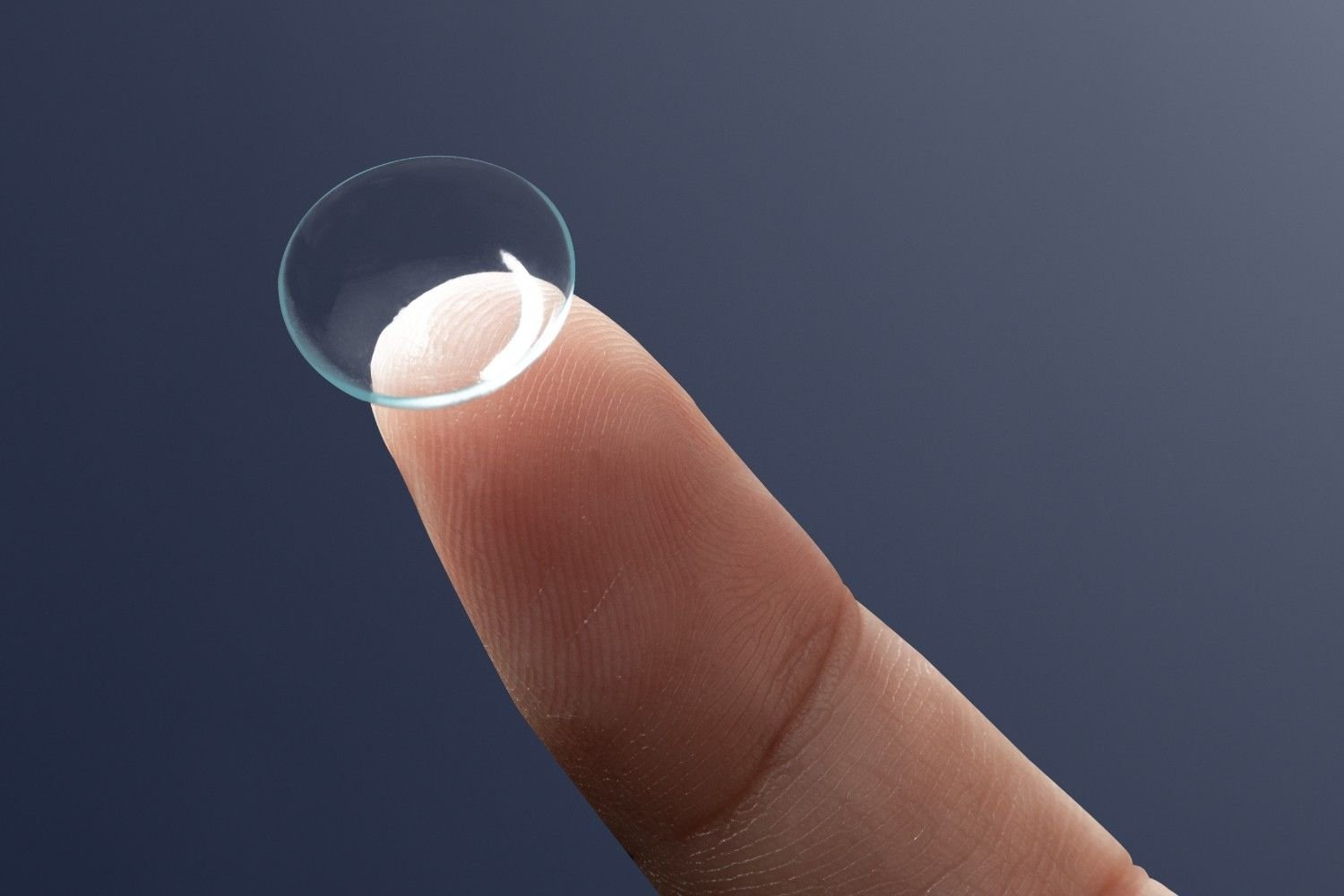
Contact lenses can limit the amount of oxygen reaching the cornea, particularly when they have low oxygen transmissibility or remain on the eyes too long. However, oxygen deprivation does not explain every case of dryness. Tear evaporation, incomplete blinking, lens deposits, inflammation, poor surface wettability, and eyelid friction often play more direct roles.
Silicone hydrogel lenses generally transmit more oxygen than conventional hydrogel lenses, but they are not automatically more comfortable for every wearer. Lens design, water content, surface treatment, fit, prescription, and tear quality all matter. An optometrist can determine whether silicone hydrogel, a water-gradient design, or another lens material better suits the eye.
Are Daily Disposable Contacts Better for Dry Eyes?
Daily disposable contacts may improve comfort for some wearers because each morning starts with a fresh, deposit-free lens. They also eliminate storage cases and multipurpose cleaning solutions, which may help people who react to deposits or care products.
However, daily lenses are not universally thinner and do not always hold moisture better than reusable contacts. A poorly fitting daily lens can still feel dry or irritating. Their main advantage is that they provide a new lens every day rather than guaranteeing all-day hydration. The CDC defines true daily disposables as lenses that are worn once and discarded at the end of the day.
How Can I Relieve Dry Contact Lenses Quickly?
Contact-lens-compatible rewetting drops can temporarily lubricate the lens surface. I check the product label and use only drops approved for wear with my type of contacts. FDA patient guidance permits rewetting drops approved for soft contact lenses and cautions against using unapproved eye drops or medications while lenses are in place.
Standard redness-relief drops may mask visible redness without correcting the source of dryness. Some artificial tears also require users to remove their lenses before application.
I combine appropriate rewetting drops with complete blinking, screen breaks, redirected airflow, and shorter wear time. If discomfort returns at approximately the same time every day, I discuss allergies, medications, solution sensitivity, meibomian gland function, lens material, replacement frequency, and contact lens fit with an eye doctor.
Why Do Dry Contacts Cause Blurry Vision?
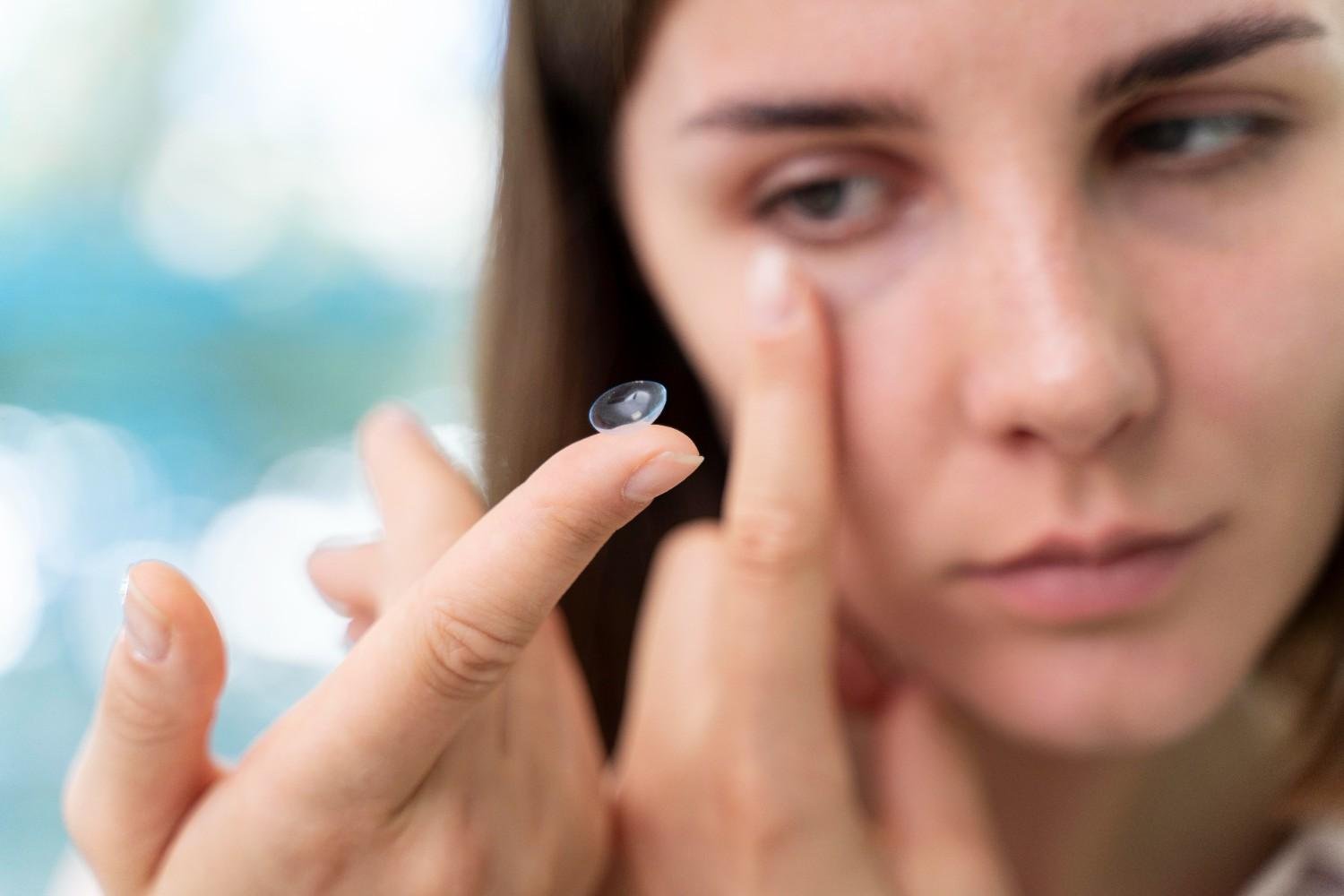
A stable tear film creates a smooth optical surface. When that moisture layer breaks apart, light may no longer pass through the contact lens evenly. Vision can become hazy, smeared, or inconsistent.
If blinking briefly clears the blur before it returns, tear-film instability may be contributing. Protein buildup, lens movement, lens damage, or a changed prescription can also cause blurry vision later in the day.
When Is Contact Lens Dryness a Warning Sign?
Mild dryness often improves after removing the lenses. Eye pain, pronounced redness, light sensitivity, discharge, unusual tearing, a white spot on the eye, or sudden blurry vision may indicate an infection or corneal injury.
The CDC advises contact lens wearers experiencing worsening pain, redness, light sensitivity, sudden blurry vision, unusual tearing, or discharge to remove their lenses and call an eye doctor immediately.
I would also arrange an examination when one lens repeatedly feels drier than the other, symptoms continue after lens removal, or previously comfortable contacts suddenly become difficult to tolerate.
Frequently Asked Questions ( FAQs)
1. Why do contacts feel dry after a few hours even when they are new?
New lenses can become uncomfortable when screen use, incomplete blinking, low humidity, rapid tear evaporation, poor fit, solution sensitivity, or existing dry eye destabilizes the tear layer.
2. Can I use artificial tears while wearing contacts?
Use only rewetting drops or artificial tears specifically labeled as compatible with contact lenses unless your eye care professional directs you otherwise.
3. Why does one contact feel drier than the other?
One-sided discomfort may result from debris, lens damage, poor fit, unequal tear production, eyelid inflammation, or irritation affecting only one eye.
4. Should I switch to daily contacts or silicone hydrogel lenses?
Either option may help, but neither works for everyone. An optometrist should evaluate your tear film, corneal health, prescription, wearing schedule, and lens fit before recommending a change.
Keeping Contacts Comfortable Throughout the Day
I do not consider recurring end-of-day dryness something contact lens wearers must simply tolerate. When contact lenses dry out in air conditioning, it can provide useful clues about reduced blinking, indoor airflow, lens deposits, wear time, material, fit, or ocular-surface health.
Small changes may improve occasional symptoms, but persistent contact lens discomfort deserves a professional evaluation. The right lens, safer care habits, an appropriate replacement schedule, and treatment for underlying dry eye offer a better solution than repeatedly trying random products.